How is the traditional flavor profile achieved?
"The deep red, sweet and sour liquid may be strained and is ready to use after a period of waiting."
Authentic borscht cooking involves specific layering of ingredients and careful timing with meat and vegetables to achieve its signature flavor. This guide covers the traditional preparation methods, the importance of timing, and how to handle ingredients like meat and cabbage.
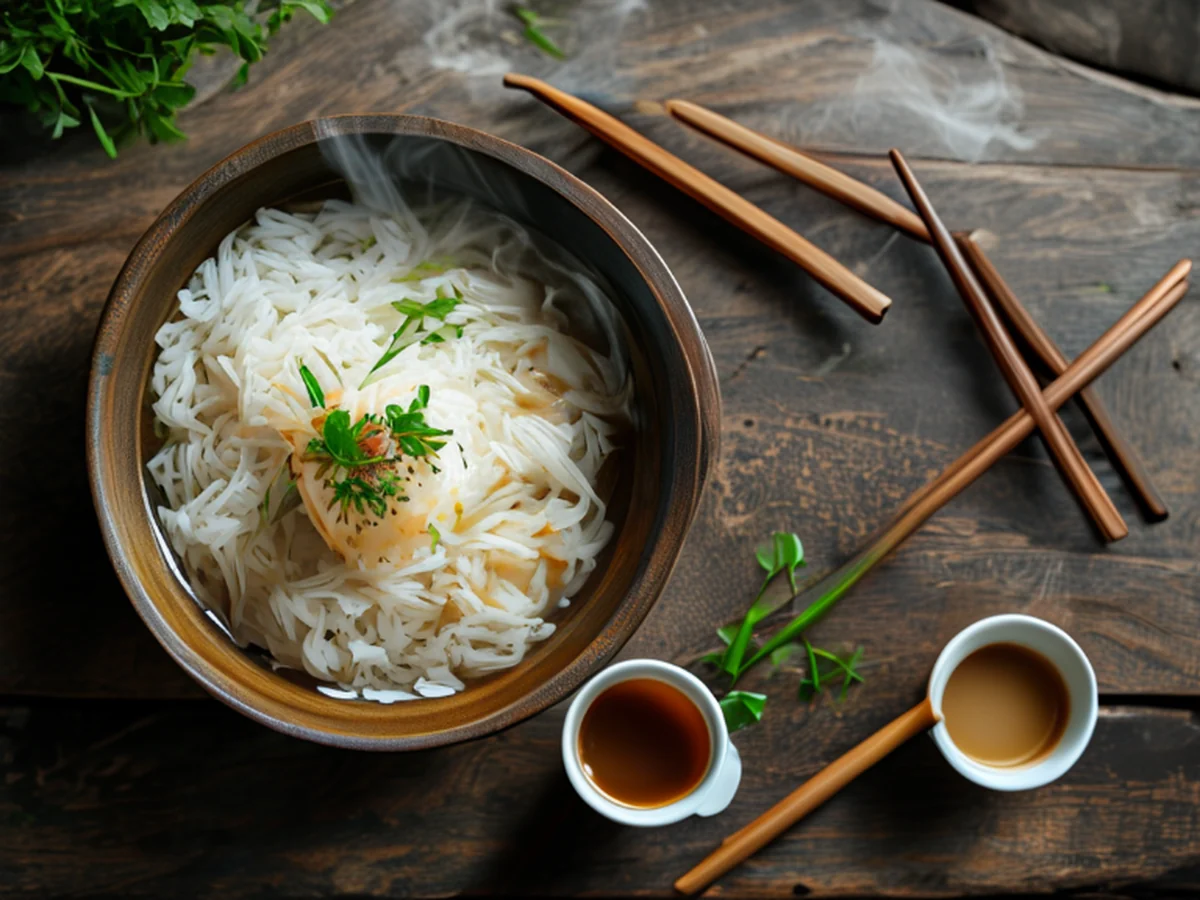
You will learn the basic steps for a flavorful stock, the importance of regional context, and the reality that certain dishes belong to many cultures.
How is the traditional flavor profile achieved?
At midnight in the quiet kitchen, I stir the bubbling red liquid to ensure the sweet aroma of the tteokbokki fills the room.
A cook stands over a steaming pot, stirring the vibrant red liquid as the aroma fills the kitchen. Achieving the right balance of sweet and sour is the core of any ethnic tteokbokki home cook's journey when adapting regional soup traditions.
The deep red, sweet and sour liquid may be strained and is ready to use after about 2–5 days, or 2–3 weeks without the bread. This process allows the flavors to meld into a cohesive profile. Using a prepared liquid ensures the foundation is solid before adding solid ingredients.
The depth of flavor comes from a careful balance of fermented seasonings and slow-simmered aromatics.
How should I handle meat and vegetables?
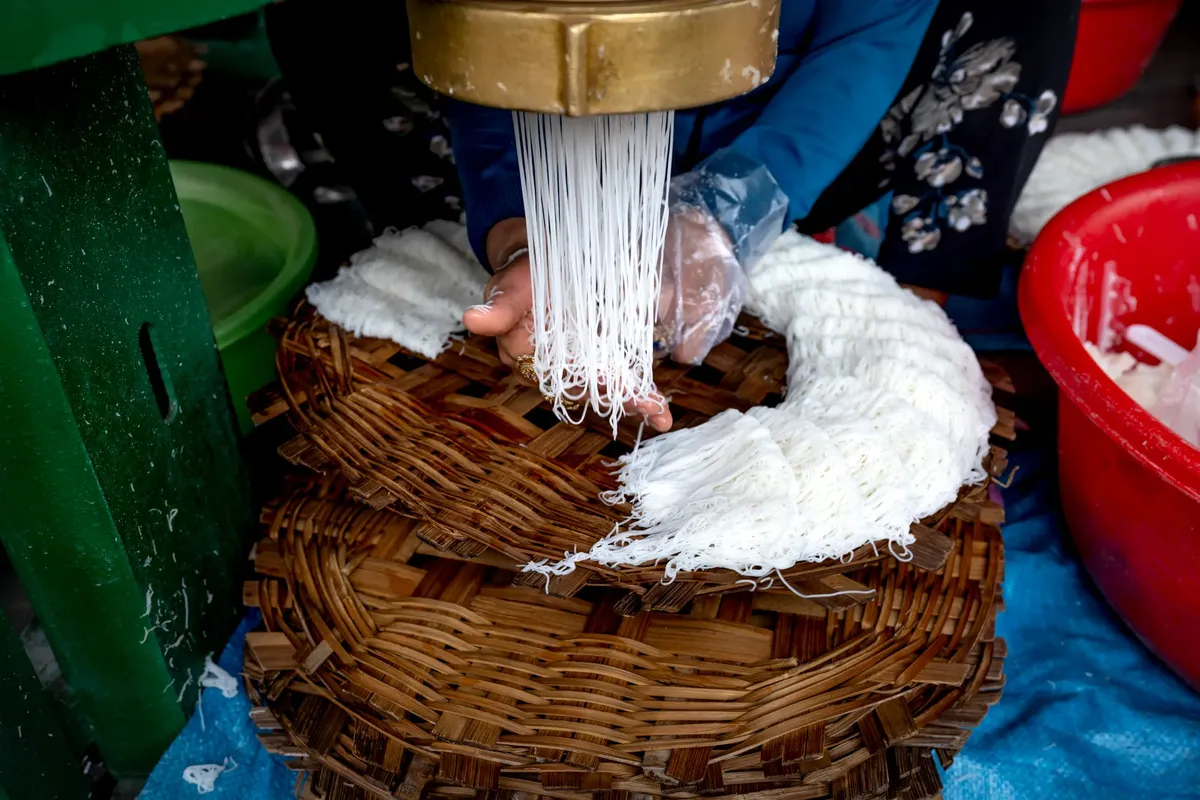
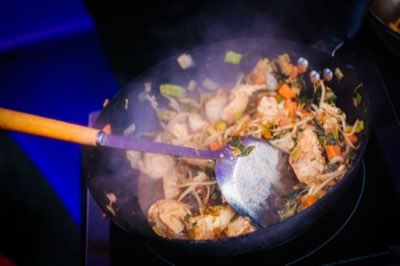
I carefully lift a heavy ladle in the steam-filled kitchen to check the texture of the vegetables for the tteokbokki. I lift a heavy ladle in the steam-filled kitchen, checking the texture of the vegetables to prevent them from ruining the tteokbokki.
A chef carefully lifts a heavy ladle, checking the texture of the boiled vegetables. This special tteokbokki method focuses on the specific timing required to prevent vegetables from becoming mushy while ensuring meat remains tender.
Potatoes and cabbage are boiled in the stock for about 15 minutes before the precooked vegetables are added. Regarding meat management, meat and bones are usually removed afterwards and the meat is only added back into the soup about 10–15 minutes before the borscht is done.
This ensures the meat does not overcook during the long simmering of the vegetable base.
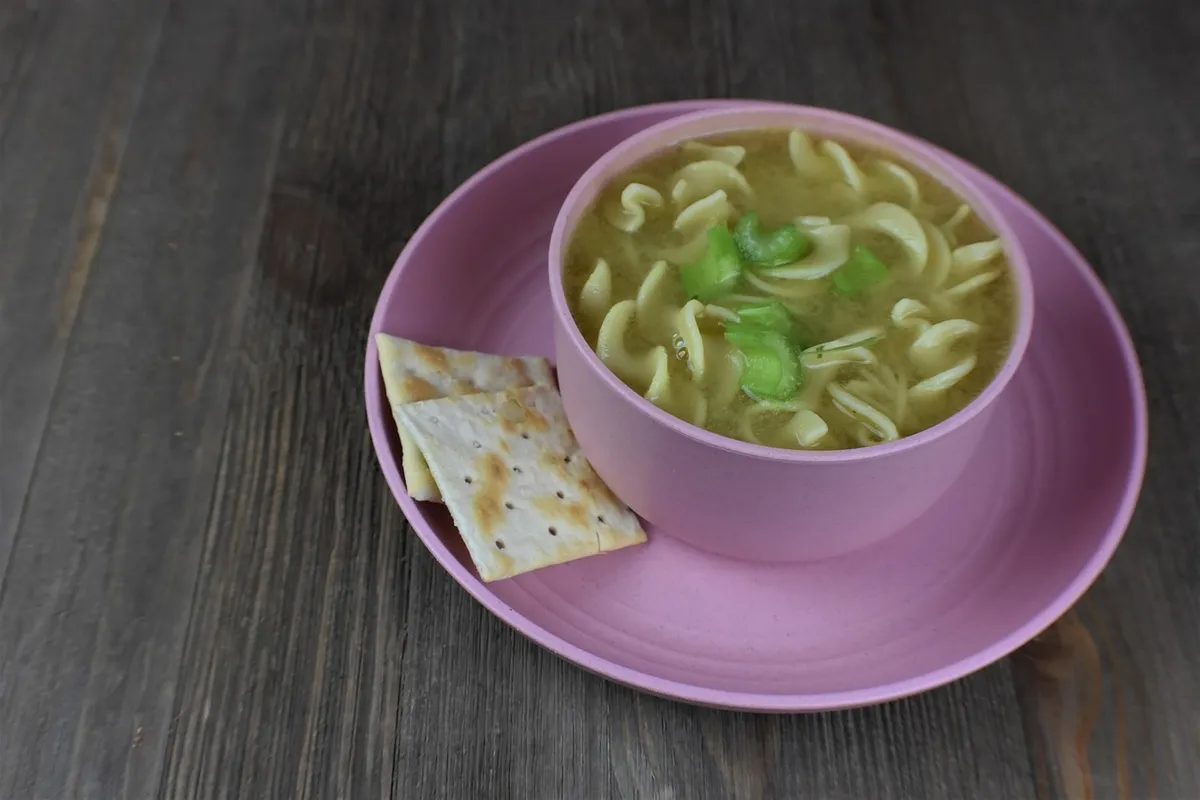
Vegetables should be salted slightly in advance to draw out excess moisture, while meat is seared to lock in juices.
How does regional history affect the dish?
A traveler looks at a map of Eastern Europe, noting how flavors cross borders effortlessly. The secret taste tteokbokki enthusiasts often seek is actually a reflection of shared history and widespread culinary practices.
According to UNESCO, several countries in the broader region have also practiced borscht cooking and their inscription does not imply exclusivity or ownership of the dish for any particular country.
This shared heritage means that while one culture may emphasize specific ingredients, the tradition exists across many communities. This regional tteokbokki guide acknowledges that food often transcends single-nation definitions.

Local availability of specific spices has historically dictated the unique variations found in different provinces.
What are the essential preparation steps? A kitchen counter is covered with fresh cabbage, hearty potatoes, and various cuts of meat. Following a structured sequence helps maintain the integrity of the soup's texture and taste.
- Prepare the base liquid by allowing the red, sweet, and sour liquid to sit for the necessary duration to develop flavor. 2. Boil potatoes and cabbage in the stock for approximately 15 minutes. 3. Remove meat and bones from the pot, then add the meat back into the soup about 10–15 minutes before completion.
I carefully monitored the timer to ensure the meat was added at exactly the right moment to maintain its texture.
- Prepare the base aromatics and seasoning paste.
- Sear the meat over high heat until browned.
- Combine the ingredients and simmer slowly.
Is there a limitation to this cooking method?
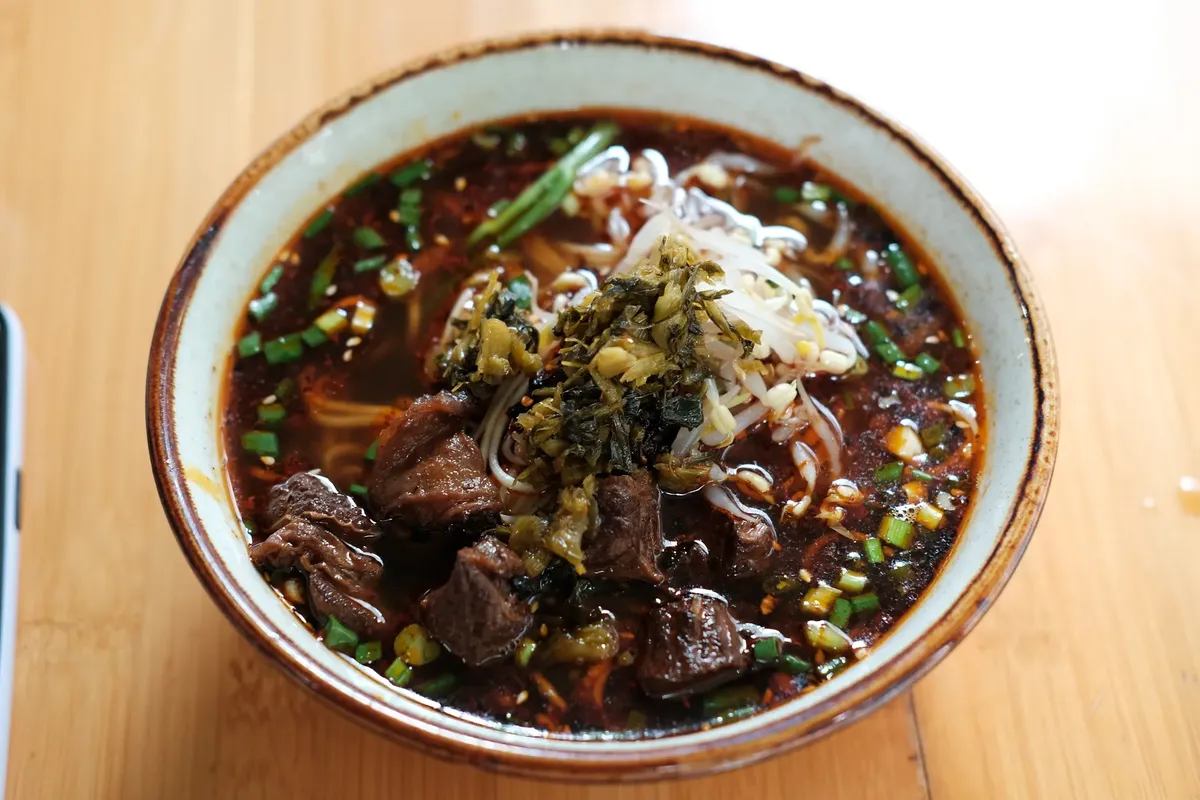
A person prepares a meal while considering the specific ingredients available in their pantry. One limitation of this method is that the timing of adding vegetables depends heavily on their initial precooked state.
The process requires that potatoes and cabbage are boiled in the stock for about 15 minutes before the precooked vegetables are added. If the vegetables are not properly prepared or if the timing is missed, the final texture may be inconsistent.
In this sequence, the second step is the longest.
Related
- Tteokbokki Evolution of Tteokbokki: Regional Styles Guide
- Tteokbokki Origin of Tteokbokki: A guide to its history
How should the liquid be managed?
One must strain the deep red, sweet and sour liquid after the required waiting period. The liquid is ready to use once the necessary duration for flavor melding has passed.
If the liquid is not strained after the 2–5 days or 2–3 weeks period, the foundation for the soup may not be solid. Using the prepared liquid ensures the flavors are cohesive before adding solid ingredients.
The liquid level must be monitored closely to prevent evaporation from overpowering the seasoning.
What are the timing conditions for the ingredients?
The timing of the ingredients depends on the specific state of the vegetables and the meat. If the potatoes and cabbage are not boiled for the initial 15 minutes, the texture of the vegetables may differ from the intended result.
Regarding the meat, it must be removed from the bones to prevent overcooking. Adding the meat back into the soup only 10–15 minutes before completion ensures the meat remains tender while the vegetables are being handled.
- Strain the deep red, sweet and sour liquid after the waiting period. 2. Boil potatoes and cabbage in the stock for 15 minutes. 3. Add precooked vegetables to the pot. 4. Remove meat and bones from the pot. 5. Add the meat back into the soup 10–15 minutes before the process is done.




Comments 0