700 Years of Sweetness: Chinese Dessert Traditions Deep Dive
"A single bite of a mooncake isn't just about sugar; it is a way to swallow the history of a harvest and the warmth of a family reunion."
In many cultures, dessert is an afterthought—a small plate to cleanse the palate before the evening ends. In Chinese tradition, however, sweets are often the centerpiece of life’s most significant transitions.
Whether it is the roundness of a mooncake symbolizing unity or the warmth of a bowl of tangyuan representing togetherness, these treats are edible symbols of cosmic and familial harmony.
Key Takeaways * Chinese sweets are deeply tied to seasonal cycles and religious or folk traditions. * The shape and ingredients of a dessert often carry specific symbolic meanings, such as wholeness or prosperity.
* Authenticity in these treats relies heavily on the quality of traditional ingredients, like lotus seed paste. * Proper tea pairing is essential to balance the richness of traditional sweets.
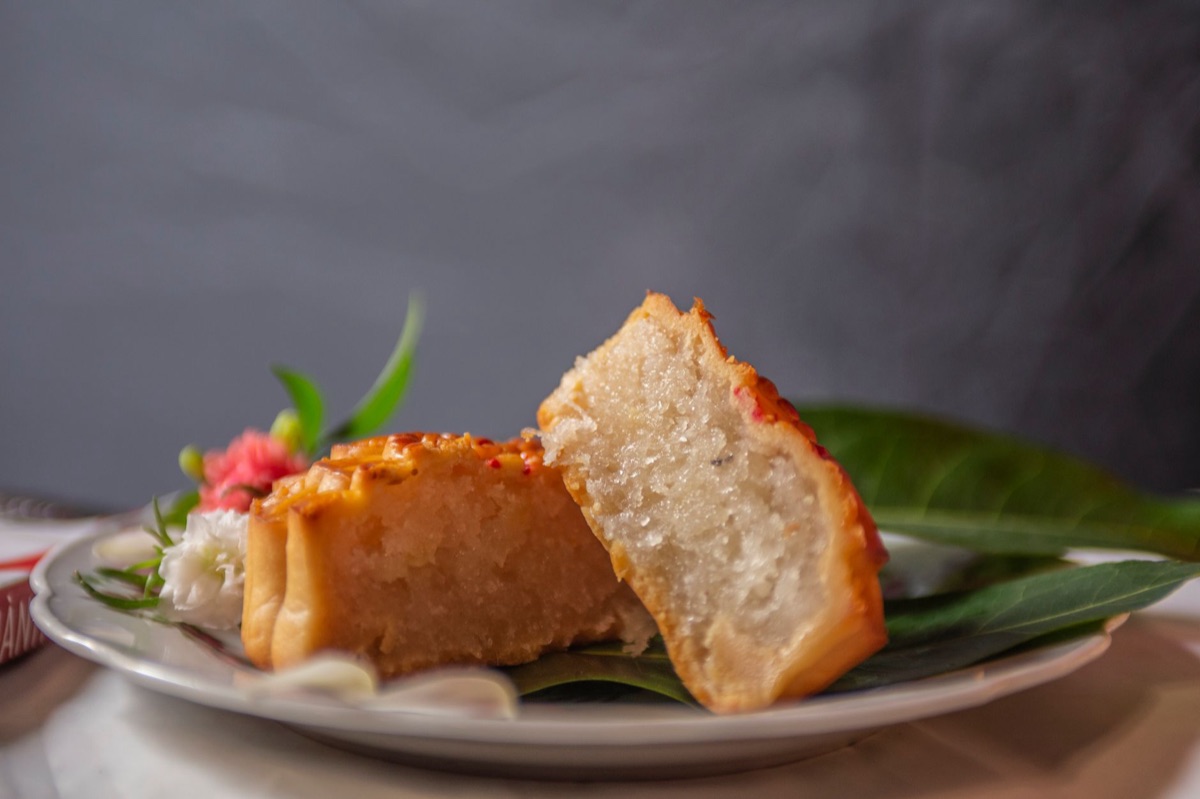
Why Are Chinese Sweets More Than Just Dessert?
In a quiet Suzhou courtyard at dusk, the scent of toasted sugar drifts through the rising steam of a ceramic pot.
The steam rises from a ceramic pot in a quiet courtyard in Suzhou in late September 2025, carrying the scent of jasmine and toasted sugar. A family sits around a circular table, where the food isn't just sustenance; it is a language.
To eat a specific sweet on a specific day is to participate in a ritual that has lasted centuries.
In the vast culinary landscape of China, sweetness is rarely just about indulgence. It is about timing. A sweet item served during a daily gathering might be light and refreshing to balance a savory meal, but a sweet served during a major holiday carries the weight of expectation.
These treats act as bridges between the earthly and the spiritual, often linked to folk religions or ancestral veneration.
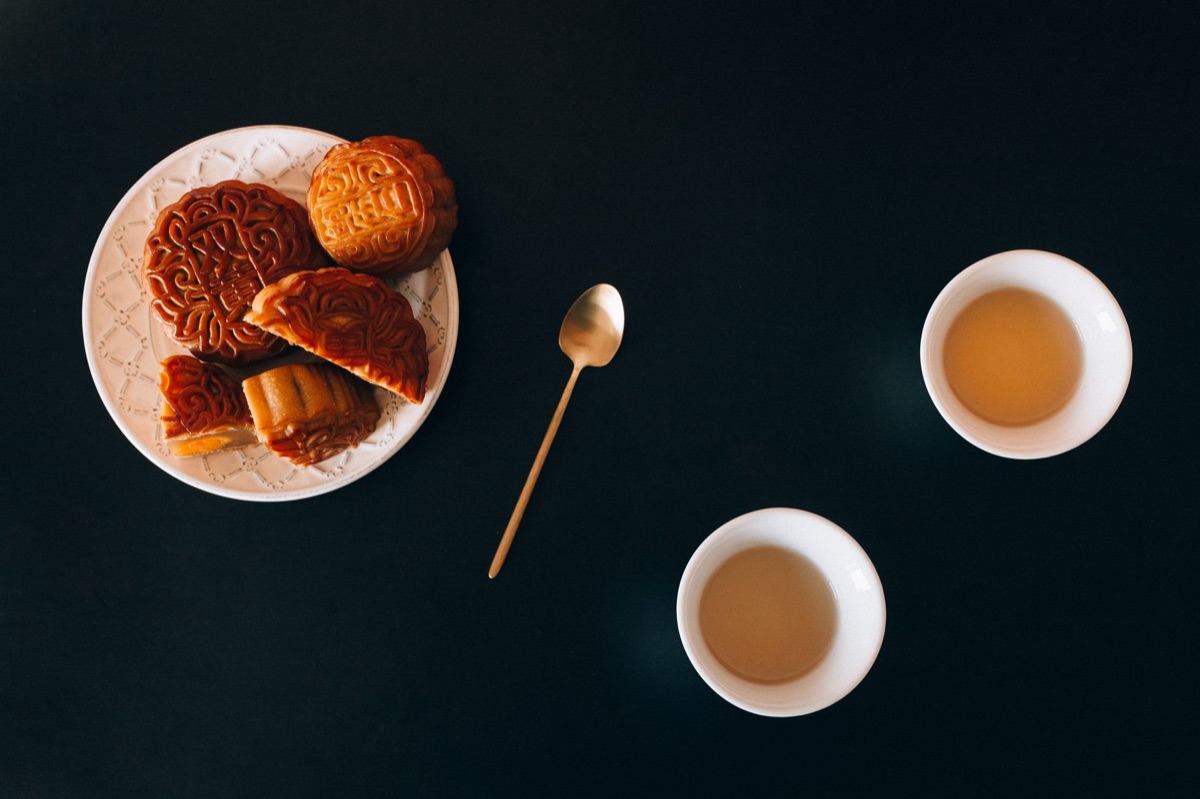
The ritual of tea is the silent partner in this tradition. Because many traditional desserts are dense, oily, or intensely sweet, tea is not merely a beverage but a necessary tool to cleanse the palate and aid digestion.
This pairing elevates the act of eating to a cultural ceremony, where the bitterness of the tea meets the sweetness of the pastry to create perfect balance.
But as global tastes shift, the way these sweets are made and consumed is changing.
What makes mooncakes an art form? The heavy, gold-foiled box sits on a wooden table in a brightly lit apartment in Shanghai in late 2025, catching the late afternoon sun. As the lid is lifted, the intricate patterns of pressed crusts are revealed, looking more like carved jade than edible dough.
Mooncakes are the quintessential symbol of the Mid-Autumn Festival. Their shapes are intentional; while some are round to represent the full moon, others are square, reflecting the traditional concept of the earth.
In some regional traditions, mooncakes are crafted in a circle with a diameter of about 10 cm, or in a square shape with a length of approximately 7–8 cm and a thickness of 4–5 cm. These geometric forms are not accidental; they represent the completeness of the family unit.
The soul of a mooncake lies in its filling. While modern versions experiment with chocolate or matcha, traditionalists look for depth of flavor.
Some high-end makers prefer to add 100% pure Hunan lotus seed to maintain the quality of mooncakes, providing a smooth, delicate texture that isn't overly cloying. This lotus seed paste is often paired with salted egg yolks to represent the moon itself.
However, the tradition faces modern challenges. Mooncake packaging continues to rely on plastic and other environmentally unfriendly materials.
As global demand grows, China’s annual production of packaging waste is increasing at an estimated rate of about 10%, while only around 10% of recyclable resources are recovered. This tension between traditional luxury and modern sustainability is a growing conversation in the industry.
The weight of tradition is heavy, but it isn't the only way to find sweetness.
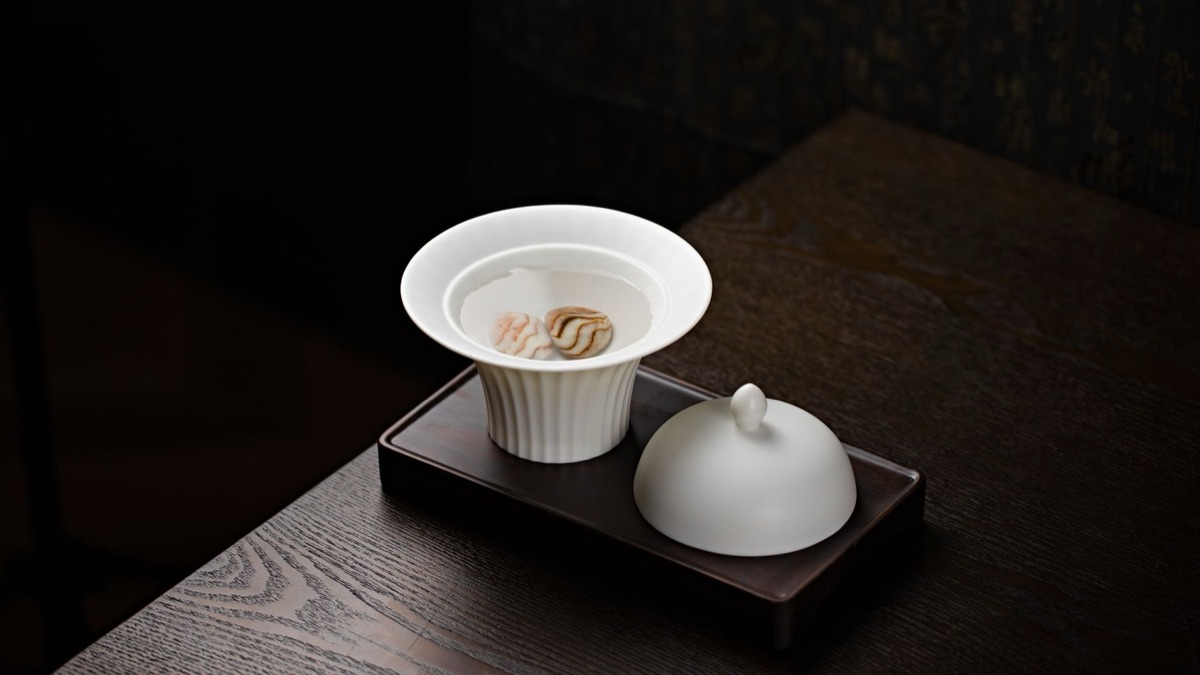
How do tangyuan symbolize reunion? A wooden spoon dips into a steaming bowl in a cozy kitchen in late 2025, lifting a translucent, chewy sphere of rice flour. The warmth of the broth seeps through the ceramic, and for a moment, the world feels centered and still.
While mooncakes dominate the autumn, Tangyuan—glutinous rice balls—are the stars of the Lantern Festival and other family reunions.
The word "tangyuan" sounds similar to "tuanyuan," which means "reunion." This linguistic connection makes the round shape of the rice balls a physical manifestation of family togetherness.
Unlike the structured, crust-heavy mooncake, Tangyuan is soft and textural. Some varieties are filled with black sesame or red bean paste, while others are served plain in a sweet ginger soup.
This contrast in texture—from the firm bite of a mooncake to the pillowy softness of a rice ball—shows the incredible range of Chinese dessert-making.
Beyond these, other seasonal treats like Zongzi (sticky rice dumplings wrapped in bamboo leaves) or various sweet soups (Tong Sui) provide a continuous cycle of flavors. Each item is a way to mark the passage of time, ensuring that as the seasons change, the flavors of tradition remain constant.
But how do you bring this level of craftsmanship into your own home?
From Kitchen to Table: Recreating the Authentic Experience
The kitchen is dusted with a fine layer of flour in the early morning of a weekend in 2026, and the air smells of toasted sesame. To make these treats at home, one must master the balance of moisture in the dough and the smoothness of the filling.
When I tried to make traditional mooncakes in my own kitchen last year, I quickly realized that the "shortcut" ingredients from the grocery store didn't yield that specific, melt-in-your-mouth quality.
The Essential Toolkit To recreate a traditional mooncake or a sweet dumpling at home, you will need: * High-quality Glutinous Rice Flour: Essential for the chewy texture of dumplings. * Lotus Seed Paste or Red Bean Paste: The traditional "heavy" fillings. * Lye Water (Kansui): Often used in mooncake crusts to achieve that specific golden color and chewy-crisp texture. * A Mooncake Mold: To achieve the intricate patterns. * A Steamer or Oven: Depending on whether you are making dumplings or baked crusts.
Step-by-Step Mastery: Traditional Baked Mooncake 1. Prepare the Syrup: Create a stable, golden syrup to mix with your flour. This acts as the preservative and coloring agent. 2. Mix the Dough: Combine the syrup, oil, and flour. Knead until it is smooth but not sticky. Let it rest to allow the gluten to relax. 3. Prepare the Filling: If using lotus seed, ensure it is passed through a fine sieve to achieve a silk-like consistency. 4. Encase the Filling: Flatten a portion of dough, place a ball of filling in the center, and wrap the dough around it, sealing it tightly to prevent air pockets. 5. Press the Mold: Dust the mold with flour, place the dough ball inside, and press firmly to imprint the pattern. 6. The Two-Stage Bake: Bake at a moderate temperature to set the shape, then brush with an egg wash and bake again to achieve the signature golden-brown finish.
Comparison of Traditional Sweet Forms
| Feature | Mooncake | Tangyuan |
|---|---|---|
| Primary Texture | Firm, crusty, or flaky | Soft, chewy, and elastic |
| Key Occasion | Mid-Autumn Festival | Lantern Festival / Family Reunions |
| Symbolism | The Moon / Earthly Balance | Family Reunion / Completeness |
| Serving Style | Sliced and shared | Eaten in a bowl with liquid |
Comments 0