8 Regional Systems: Your Guide to China's Vast Cuisine
"A journey in search of delicious food is an encounter with the soul of a city."
Exploring the vast culinary landscape of China is more than just eating; it is an immersion into the history and climate of diverse lands. To navigate this massive menu, you must understand the regional systems that define how people eat.
* Understand the eight major culinary systems that define regional identity. * Explore how geography and climate shape flavor profiles. * Identify the specific cities you must visit to taste authentic dishes.

Why do certain cities become culinary meccas?
At 3:00 PM on a sweltering summer afternoon in 2025, the heavy scent of spices hits you as you turn into a narrow market alley in Chengdu. Steam rises from metal pots, mixing with the rhythmic shouts of vendors and the chatter of locals.
The fact that food culture takes root in specific cities is never an accident. Some cities sit beside fertile plains with an abundance of fresh produce, while others are tucked into rugged mountains or river valleys, leading to unique preservation methods and cooking techniques.
For instance, in the humid southern regions, spicy flavors were developed to help "drive out" moisture from the body. In the drier north, the focus shifted toward the versatile use of wheat in noodles and dumplings.
These environmental factors layered over centuries to create the "culinary map" we follow today.
When I began my own journey through the massive scale of the Chinese mainland in the early fall of 2025, the sheer variety was overwhelming. Even looking at a map felt like it might satisfy my hunger.
Now, let's follow that map to see which cities you should head toward to find the most iconic flavors.
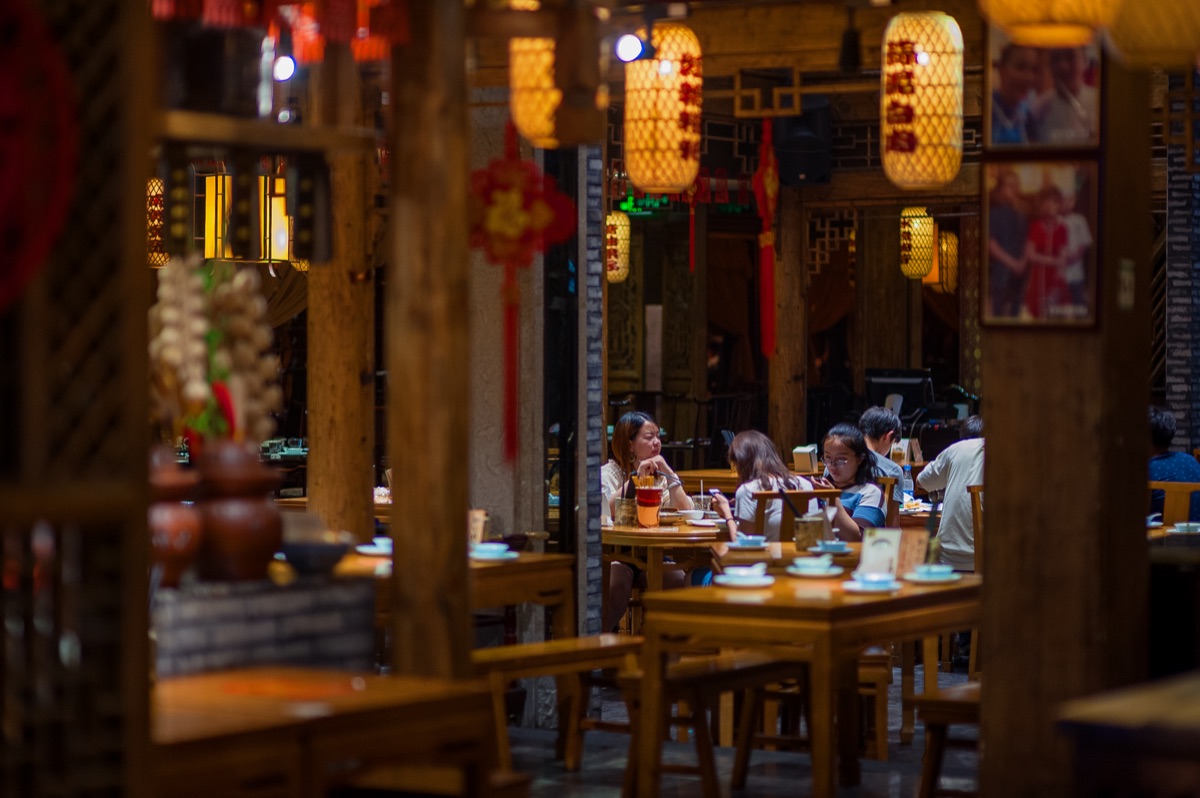
How magnetic is the heat of Sichuan and Chongqing?
At 7:00 PM, after a heavy summer rain has left the air thick with humidity in 2026, you sit before a bubbling hotpot pot filled with 2 pounds of bright red chili oil. The numbing sensation of the peppercorns hits your tongue, making your senses wake up instantly.
Sichuan and Chongqing are essential stops on any culinary journey. The core of this cuisine is "Mala"—a combination of numbing Sichuan peppercorns and spicy chilies.
This heat is more than just a flavor; it is a product of survival and environment. A common belief is that the spicy food was developed to help people manage the heavy, humid climate of the region.
| Food Type | Key Characteristics | Recommended City |
|---|---|---|
| Sichuan Hotpot | Intense numbing heat and diverse ingredients | Chongqing |
| Mapo Tofu | Silky tofu meets spicy, savory sauce | Chengdu |
| Dan Dan Noodles | Savory sesame sauce with spicy minced meat | Chengdu |
When visiting these areas, look for the small, crowded shops where locals line up. Often, the most authentic flavors are found in places with worn tables and red lighting rather than flashy, modern decor.
However, just as you get used to this intense heat, a completely different world awaits.
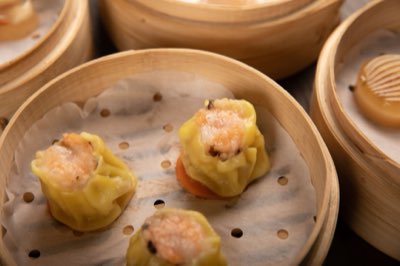
How are Cantonese and Fujian flavors balanced? At 7:30 AM, white steam billows from bamboo steamers filled with 12 different varieties of dim sum, filling the dining hall with warmth. Before taking a bite, you check the elasticity of the thin dumpling skins with your chopsticks.
While Sichuan offers intense stimulation, the Guangdong (Guangzhou) and Fujian regions focus on the natural essence of the ingredients. In Guangdong, famous for its dim sum culture, the freshness of the ingredients is the most important element.
The cuisine here prioritizes texture and subtle aromas over heavy seasoning. Being coastal regions, they have developed sophisticated ways to prepare fresh seafood and steamed delicacies.
Fujian offers a slightly different nuance, where unique seafood techniques blend with a refined tea culture. From morning dim sum to lavish evening banquets, the food here offers a constantly shifting variety of delights.
As you settle into these softer flavors, you might suddenly find yourself craving a deeper, more heavy-hitting punch.
Is the North a paradise of noodles and dumplings? At 5:00 PM on a windy winter afternoon in 2026, you bite into a steaming dumpling, feeling the warm broth burst into your mouth. The chewy texture of the noodles makes it clear why this region is the heart of wheat culture.
In Northern China, wheat is the staple rather than rice. Consequently, the cuisine is centered around noodles, dumplings (jiaozi), and various types of flatbreads (bing).
Northern cuisine, centered around Beijing, tends to be more savory and hearty. With the legacy of imperial palace cooking, the culinary scope ranges from formal, ceremonial meals to humble, soul-warming street noodles.
When traveling here, look for seasonal noodle dishes. Warm, broth-based noodles are perfect for the winter, while refreshing cold noodle dishes will satisfy your hunger during the summer months.
Now that we know the flavors, we need a practical guide on how to actually navigate this massive world.
Practical guide for your culinary journey
Packing a bag while tracing routes on a map is always exciting. However, arriving in a new place and facing unexpected spice levels or unfamiliar ingredients can be dismembering.
According to World Bank data, China recorded an agricultural land share of 55.4% in 2023. This vastness means food availability and types change significantly as you move.
To ensure a successful trip, follow these preparatory steps:
- Understand the staple ingredients: Determine if the region relies on rice or wheat and what primary spices they use.
- Check the weather: Keep in mind that humid regions often favor spicy food, while drier regions may lean toward oilier or heavier textures.
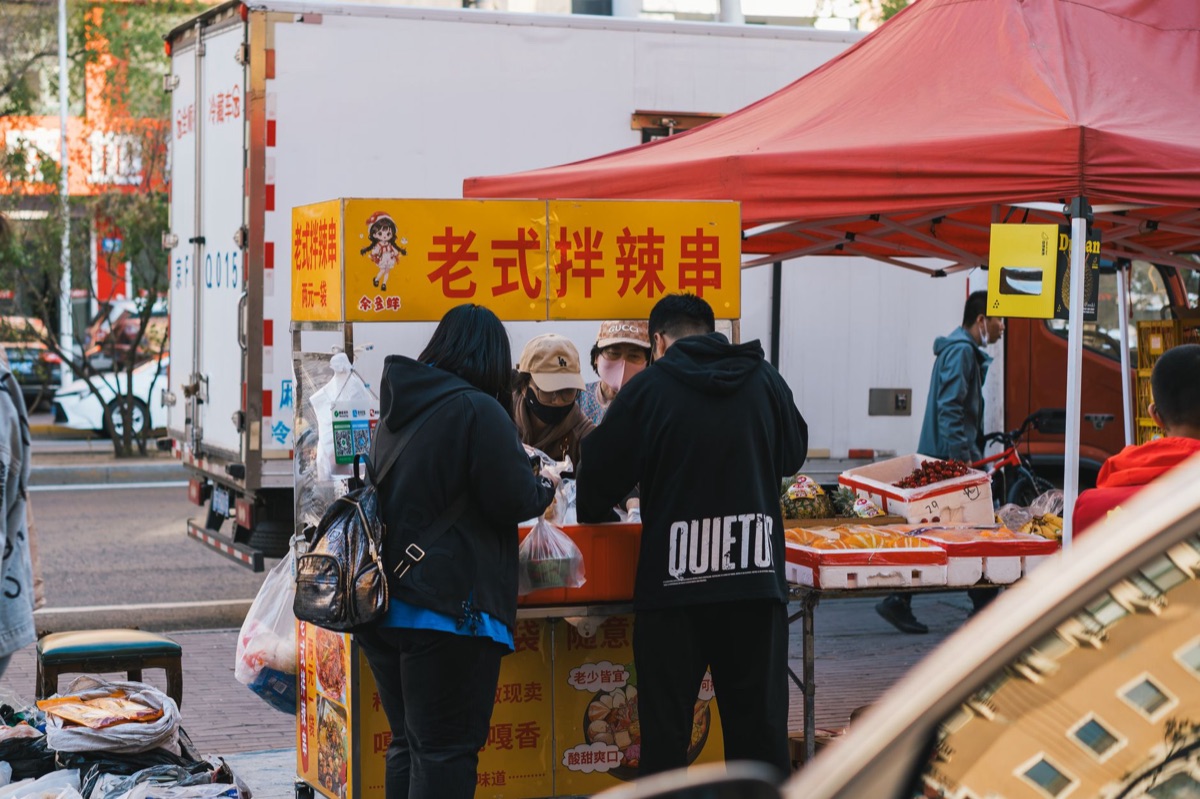
- Visit local markets: Before hitting the restaurants, walk through a local market. Seeing the fresh ingredients is the best way to learn about the local palate.
- Carry basic supplies: Bring digestive aids or stomach medicine to prepare for sudden changes in spice levels or seasoning.
- Balance your intake: Don't overdo it. Constant heavy eating can be hard on your system; pace yourself so you can enjoy the next meal.
| Category | Northern (e.g., Beijing) | Southern (e.g., Guangdong) |
|---|---|---|
| Staple Food | Wheat (Noodles, Dumplings, Bings) | Rice (Steamed rice, Dim Sum) |
| Flavor Profile | Salty and Hearty | Light and Fresh |
| Main Ingredients | Flour, Meats | Seafood, Vegetables |
If you keep this guide in mind, you will be able to enjoy a wonderful first meal in almost any city.
Finding balance and knowing the limits
It is easy to lose track of time when chasing delicious food, but sometimes you might push past your physical limits. Intense spices can lead to indigestion or stomach discomfort if you aren't careful.
It is also important to understand the cultural context rather than just hunting for the next famous dish. Some foods are meant for specific times of day or specific seasonal festivals.
Respecting local dining etiquette is crucial. Simply demanding food or ignoring traditional dining customs can be seen as disrespectful to the locals. Always enjoy your meals with an awareness of the local culture.
Maintaining this balance is the key to a sustainable and enjoyable culinary journey.

Comments 0