Tteokbokki Evolution of Tteokbokki: Regional Styles Guide
The evolution of rice cakes and spicy sauces reveals how local ingredients shape national favorites. This exploration of regional variety shows how a single dish adapts to different climates and tastes across various provinces.
The evolution of tteokbokki illustrates a journey from royal court delicacies to diverse street food staples. While the dish originated as a soy-sauce-based snack, it has transformed into countless spicy and savory variations.
How does the evolution of tteokbokki differ by region?
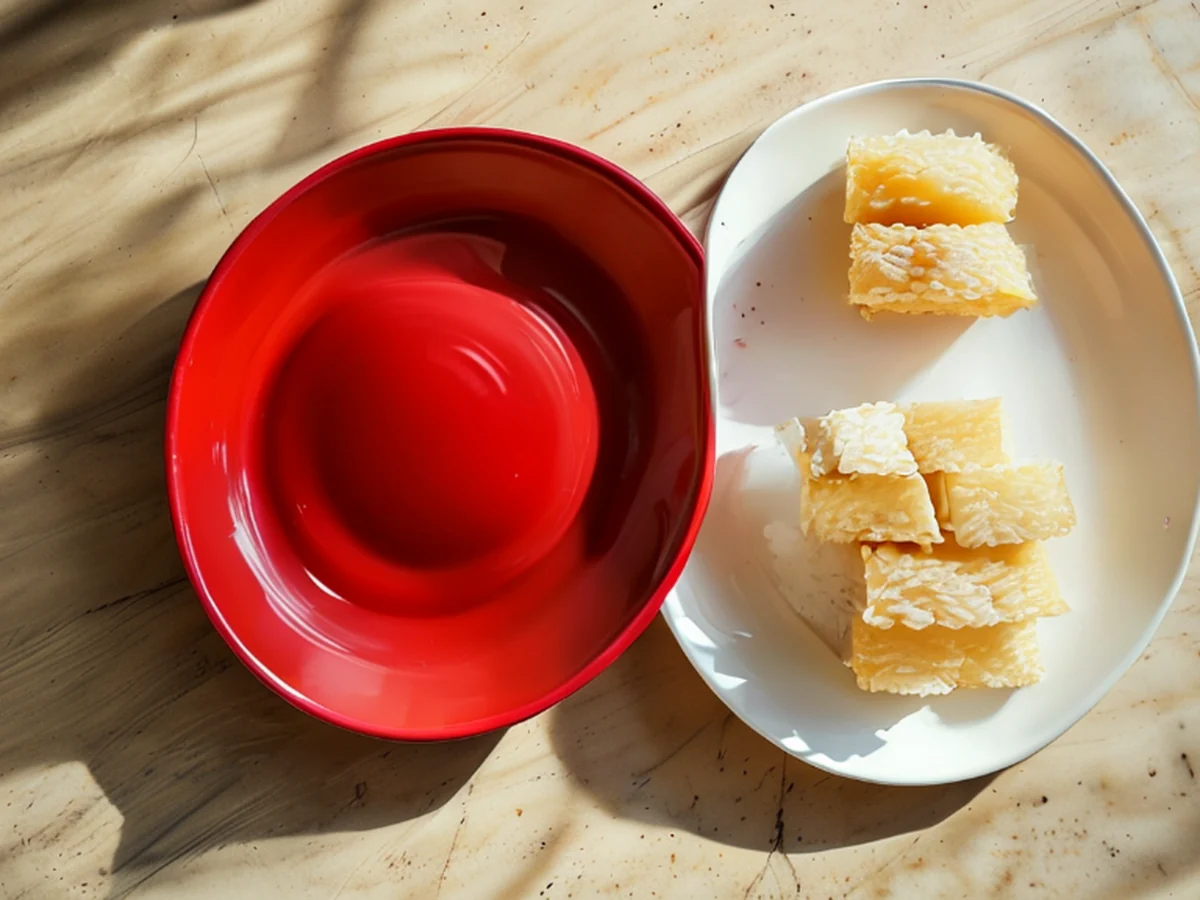
At dawn in the bustling market, I bite into a firm piece of tteokbokki and feel the sharp heat sting my tongue.
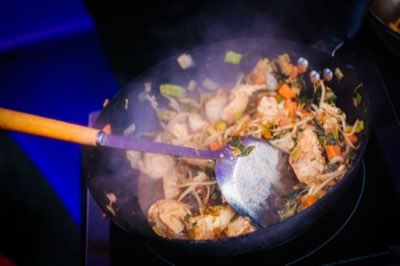
A cook stirs a heavy iron pot, watching steam rise from thick, chewy rice cakes. The aroma of chili oil and fermented paste fills the kitchen as different ingredients are prepared for the pan.
The evolution of tteokbokki reflects the unique agricultural and culinary landscapes of different provinces. In some areas, the focus remains on salty, savory soy-based sauces, while other regions embrace intense heat and spicy seasonings.
This regional tteokbokki styles variety demonstrates how local preferences dictate the balance of sweet, salty, and spicy elements.
The history of food evolution often follows the availability of specific spices and local crops. In warmer southern regions, the heat of chili often takes center stage to stimulate appetite. Conversely, cooler northern climates might favor heavier, more savory profiles.
This tteokbokki regional variety ensures that the dish remains relevant to the local palate regardless of the season.
The changes in tteokbokki often involve the texture of the rice cake itself, which varies by moisture levels in different provinces. Some regions prefer soft, hydrated cakes, while others use drier, firmer versions.
This constant adjustment shows how local food development keeps traditional recipes alive through adaptation.
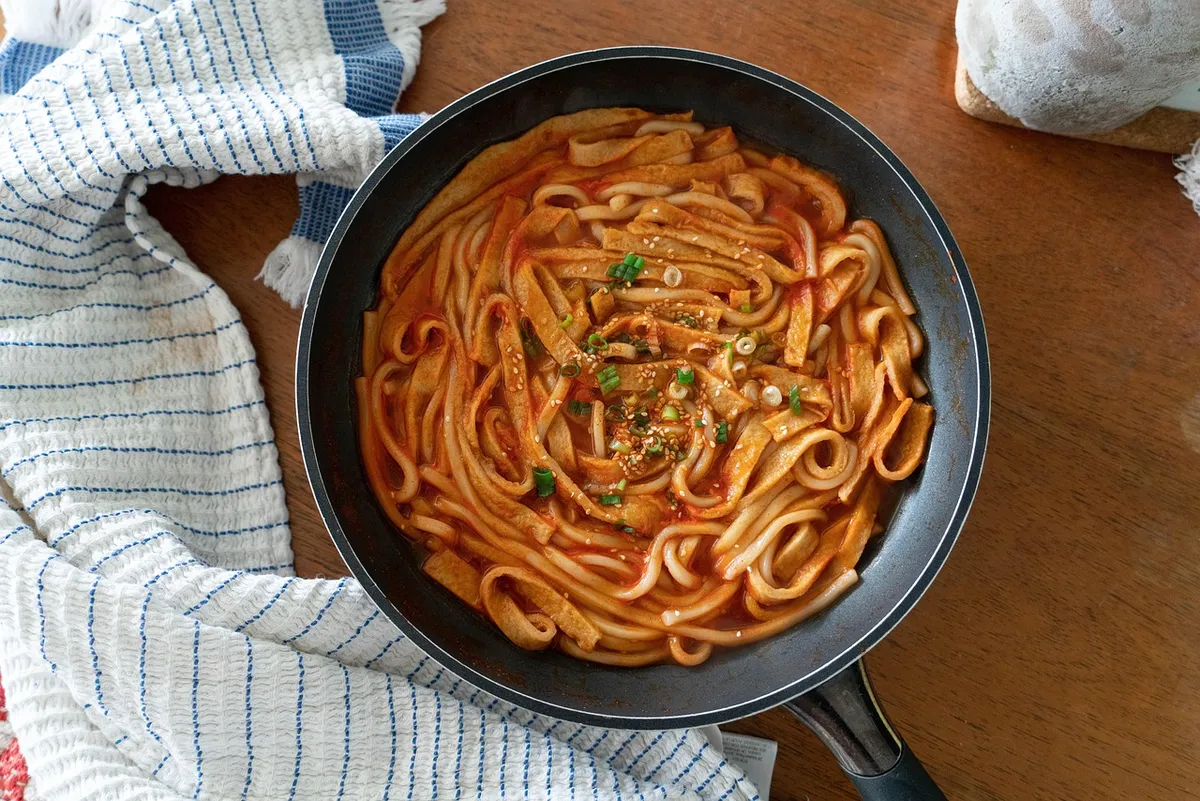
I find that the second point in this sequence is the most extensive.
Comparing regional flavors
A chef carefully arranges different bowls of sauce and rice cakes on a wooden table. The vibrant red of spicy sauce contrasts with the pale white of fresh rice cakes.
| Feature | Spicy Style | Soy Sauce Style |
|---|---|---|
| Primary Flavor | Spicy and Sweet | Savory and Salty |
| Main Ingredient | Gochujang/Chili | Soy Sauce/Garlic |
The table above summarizes the two primary directions the dish took during its development. The spicy version became a global favorite, while the soy-based version preserves the traditional roots of the dish.
According to World Bank, the 2024 record includes 41.7%.
How to make a basic spicy version at home
I once tried making a batch of spicy rice cakes in a small kitchen, focusing on getting the sauce consistency just right. I realized that the balance of sugar and spice is the most critical part of the process.
- Prepare the rice cakes by soaking them in warm water to achieve the perfect chewy texture. 2. Sauté aromatics like garlic and green onions in a pan before adding the spicy paste. 3. Simmer the rice cakes in the sauce until the liquid thicks and coats each piece evenly.
Always check the thickness of the sauce before serving to ensure it clings to the rice cakes.
- Prepare the rice cakes by soaking them in water to soften the texture.
- Sauté the aromatics and spicy paste in a pan until fragrant.
- Add the rice cakes and simmer until the sauce thickles and coats them evenly.
What are the limitations of regional variations?
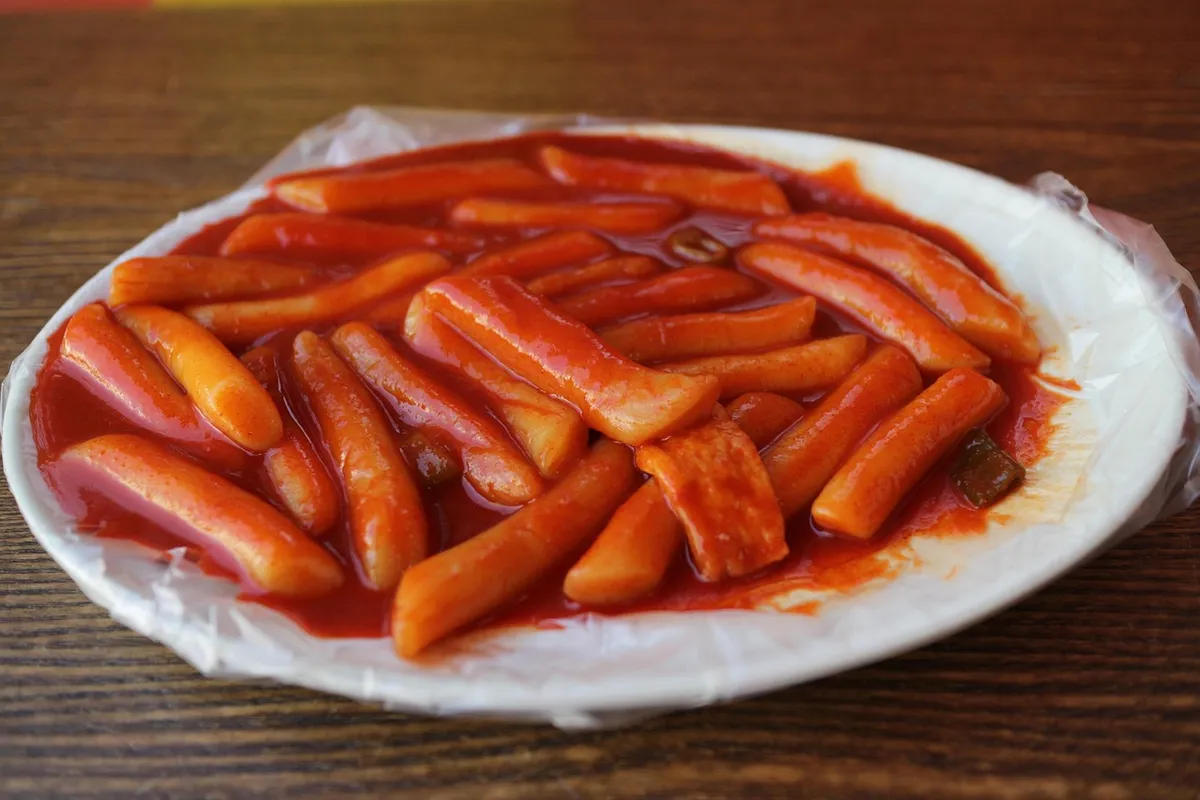
A person tastes a small spoonful of sauce, noting the intense heat of the chili. The spice lingers on the tongue, making it difficult to distinguish the subtle notes of the rice.
A limitation of these variations is that extreme spice levels can sometimes mask the natural flavor of the rice cakes. When the heat is too intense, the delicate texture and sweetness of the grain are often lost to the palate.
The same subject is also called Evolution of local food.
Related
- Tteokbokki Origin of Tteokbokki: A guide to its history
- Rare ethnic tteokbokki flavors: Local crops define the taste
Why does the evolution of the dish depend on local ingredients?
The evolution of the dish depends on how local crops and spices influence the final taste. In warmer areas, the heat of chili is used to stimulate the appetite, whereas cooler climates might favor savory profiles. According to World Bank data, China recorded agricultural land share of 41.7% in 2024.
This ensures the dish remains relevant to the local palate through seasonal and geographic adaptation.
- Soak the rice cakes in warm water to achieve a chewy texture. 2. Sauté garlic and green onions before adding the spicy paste. 3. Simmer the rice cakes until the sauce thicks and coats the pieces.
If the sauce is too thin, it will not cling to the rice cakes properly. Always check the consistency to ensure the sauce coats each piece evenly.
When comparing styles, the spicy version uses chili paste and sweetness, while the soy-based version focuses on savory and salty notes. The soy-based version preserves traditional roots, whereas the spicy version became a global favorite.
The texture of the rice cake also changes based on whether a region prefers soft, hydrated cakes or drier, firmer versions.

Comments 0