Rare ethnic tteokbokki flavors: Local crops define the taste
"The flavors of a culture are often carried in the simplest of dishes, preserved through generations of tradition and unique local ingredients."
Exploring rare ethnic tteokbokki flavors requires looking at how specific regional ingredients and cultural histories shape a single dish.
This guide examines how local availability and heritage create variety, while noting that much of this culinary diversity is tied to specific geographic constraints.
How do we define rare ethnic tteokbokki?
In the dim light of the village kitchen, I lift a spoonful of the dark sauce to my lips and taste the rare, pungent aroma of fermented grain.
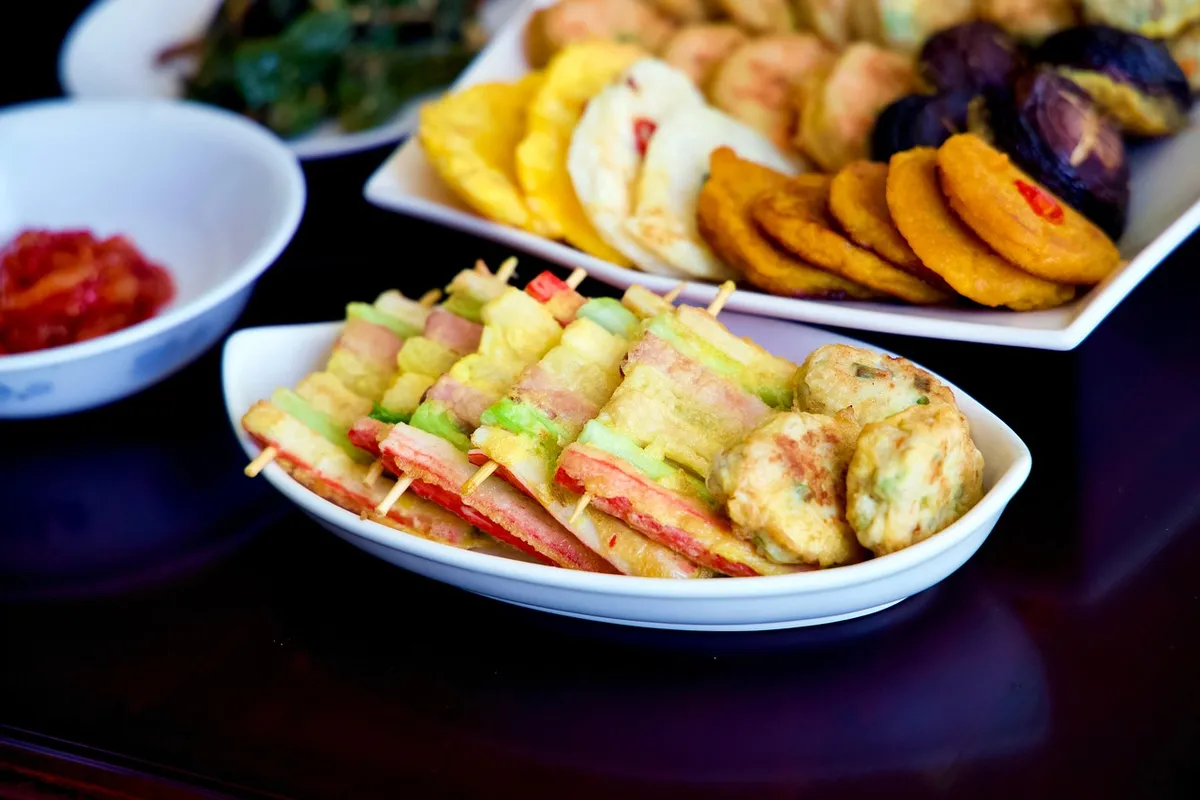
A traveler enters a small, steam-filled kitchen where the scent of toasted grains fills the air. The cook pulls a tray of chewy rice cakes from a heavy pot, each piece shaped by hands that have followed the same recipe for decades.
Defining rare ethnic tteokbokki involves identifying dishes that rely on ingredients specific to a particular ethnic group or geographic region. These flavors are often distinct because they utilize local crops or traditional preservation methods that are not found in mass-produced versions.
The rarity of these flavors often stems from the limited availability of traditional ingredients outside their home regions. For example, unique grain blends or specific fermented pastes provide a profile that cannot be easily replicated in urban supermarkets.
Exploring ethnic tteokbokki allows for a deeper understanding of how different communities use starch as a canvas for their heritage. This pursuit of flavor often leads to the discovery of ingredients that are deeply tied to the land.
What makes local tteokbokki variety so unique?
At the bustling night market, I bite into the chewy cake and feel the rare, earthy spice blooming against my tongue.
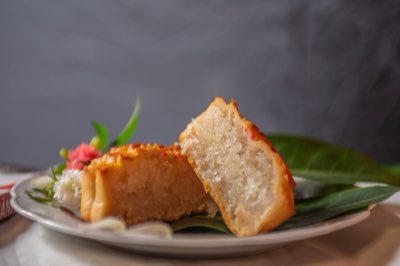
A vendor slices through a dense, colorful cake, revealing a texture that differs wildly from the standard chewy rice cake. The atmosphere is lively, and the colors of the spices suggest a heat that is both sharp and earthy.
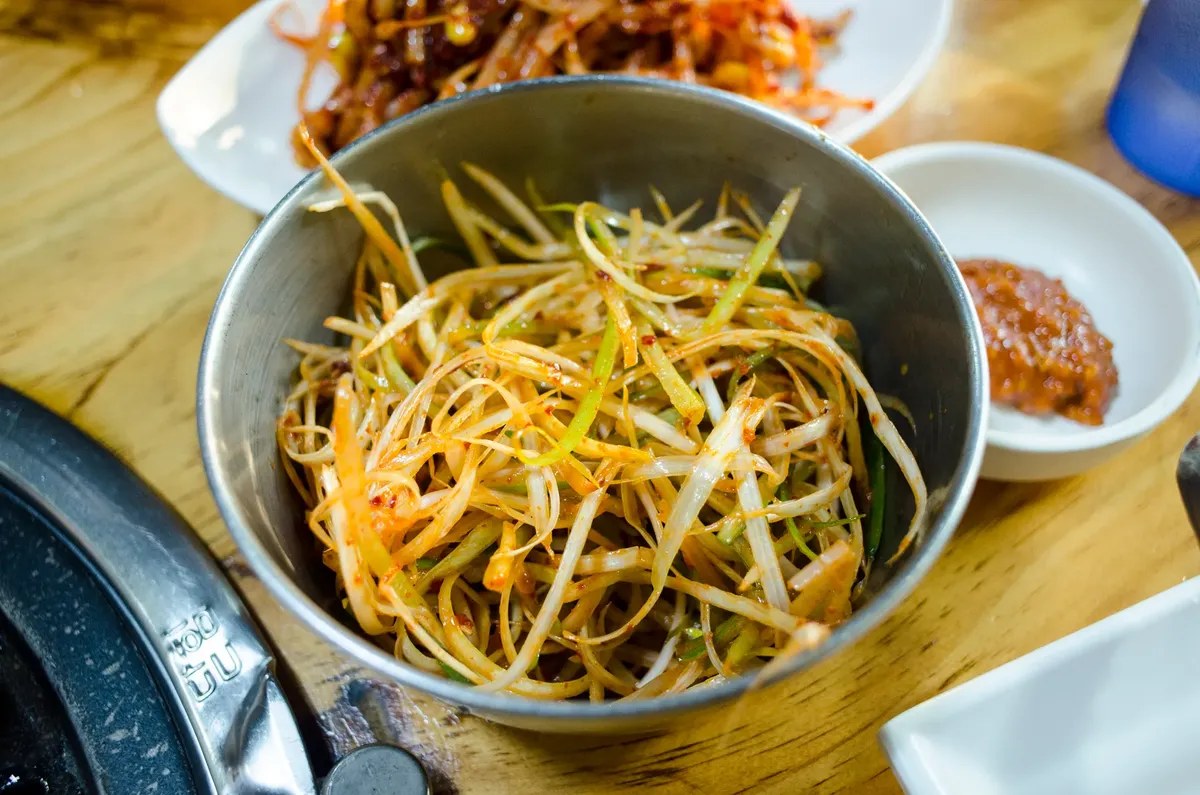
Local tteokbokki variety is often driven by the primary starch used in the region, which can range from rice to buckwheat or even potato. These variations change the mouthfeel and how the sauce clings to the base.
The diversity of these dishes is a testament to human ingenuity in using whatever crops are available. While standard versions might use uniform rice flour, local variations might incorporate seasonal vegetables or unique dried seafood to add depth.
Searching for a local tteokbokki variety helps enthusiasts find authentic tastes that reflect the environment. These flavors are often the result of a delicate balance between sweetness, spice, and savory notes.
According to World Bank, the 2024 record includes 41.7%.
Why is ethnic food rarity so significant?
A diner tastes a morsel of a dark, spicy sauce, noting how the spice lingers without overwhelming the subtle grain flavor. The quiet satisfaction of the meal reflects a connection to a long-standing culinary tradition.
Ethnic food rarity is significant because it preserves the history and identity of a people within a single meal. When a recipe uses a specific type of wild herb or a rare fermentation technique, it keeps that cultural knowledge alive.
These rare dishes serve as a bridge to the past, offering a sensory experience that modern, standardized food cannot provide. The scarcity of certain ingredients makes the act of eating these dishes a special event.
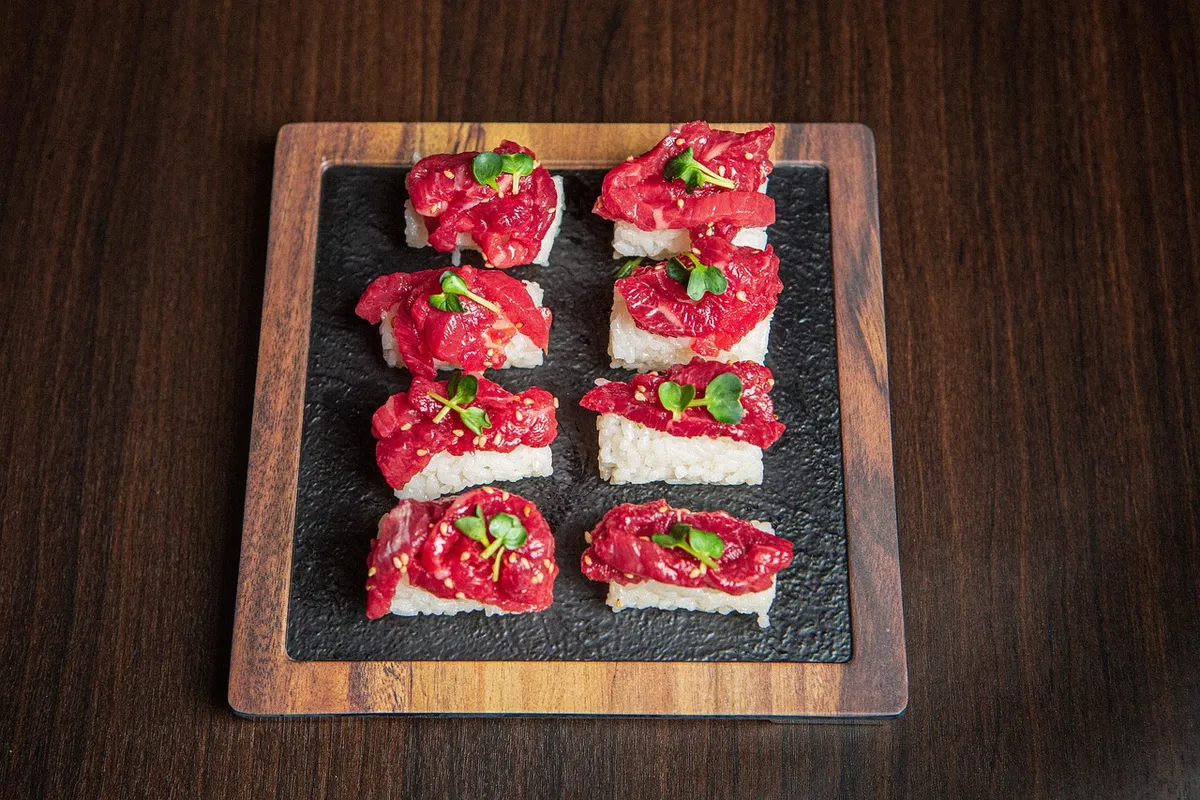
Understanding ethnic food rarity is essential for those who view cooking as a form of storytelling. Each bite can reveal the struggles and triumphs of a community's history.
How can we begin exploring ethnic tteokbokki?
A group of friends sits around a low table, carefully portioning out small bites of different colored cakes. They discuss the different spice levels and the varying textures of the rice cakes they are sampling.
To begin exploring ethnic tteokbokki, one should look for authentic ingredients and traditional preparation methods. Follow these steps to navigate new flavors:
- Identify the base starch, such as rice, wheat, or potato, to understand the intended texture. 2. Observe the sauce composition, looking for regional spices or fermented elements that define the profile. 3. Compare the seasoning levels to see how heat and sweetness are balanced in that specific culture.
I once sat in a small village kitchen, comparing the texture of a handmade rice cake to the factory-made versions I was used to. The difference in density and grain aroma was immediate and profound.
A final check involves ensuring that the seasoning does not mask the natural flavor of the base ingredient, as the starch is the heart of the dish.
What are the limitations of finding these flavors?
A collector of recipes looks at a map, noting how many traditional cooking methods are lost when people move to large cities. The map shows vast areas where traditional ingredients are becoming harder to find.
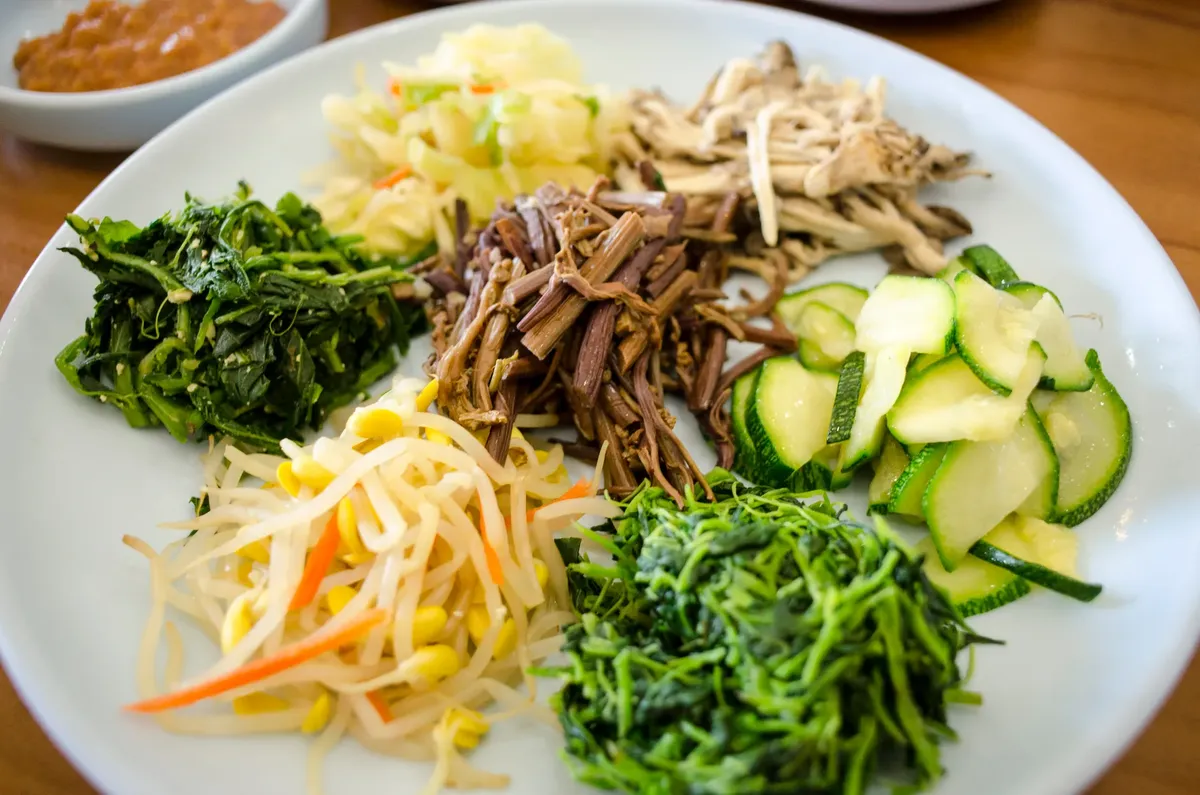
The primary limitation is that many of these unique flavors are tied to specific geographic locations and can be difficult to find in globalized markets. As populations shift, the ingredients and techniques may become harder to source.
One limitation is that some traditional ingredients are highly seasonal, meaning the authentic taste is only available during specific times of the year.
| Feature | Standard Tteokbokki | Rare Ethnic Tteokbokki |
|---|---|---|
| Primary Base | Uniform Rice Flour | Diverse Grains/Starches |
| Flavor Profile | Consistent Sweet/Spicy | Regionally Specific |
- How do we define rare ethnic tteokbokki?
- What makes local tteokbokki variety so unique?
- Why is ethnic food rarity so significant?
Related
- What is the historical context of these culinary styles?
- Taste of Jangdan Sik: Understanding the unique profile
How does the journey through these flavors compare?
The journey through these flavors compares the standardized version to the localized version by the ingredients used. The standard version relies on uniform rice flour, whereas the rare ethnic version embraces diverse grains or starches.
According to World Bank data, China recorded agricultural land share of 41.7% in 2024.
This difference in base material profoundly influences the final mouthfeel and the way the sauce adheres to the cake.
The journey also compares the flavor profile; the standard version offers a predictable sweet and spicy experience. Conversely, the rare ethnic version presents a profile dictated by the specific region, offering nuances that a mass-produced item cannot capture.
What cautions apply when seeking these tastes?
Cautions apply when seeking these tastes regarding the dependency on geography. The primary caution is that many unique flavors are intrinsically linked to specific places, making them difficult to locate outside those original areas.
Furthermore, the caution regarding ingredient seasonality means that the most authentic taste might only appear during certain times of the year.
The caution against masking the base ingredient is crucial during preparation. The seasoning must not overpower the natural taste of the starch, since the starch itself forms the core of the dish. This balance is what truly communicates the culture's story through the flavors.

Comments 0