What is the historical context of these culinary styles?
"The flavors of the north and the south tell the story of a vast empire, where climate and history dictate the contents of a single bowl."
Understanding the Beijing vs Guangzhou food dynamic requires looking at how geography and history shaped these two culinary giants. This comparison explores the distinct tastes of the north and south, the impact of climate on ingredients, and the cultural roots of these famous regions.
Key takeaways: * Beijing's cuisine is often shaped by its historical role and northern climate. * Guangzhou's food culture thrives on its water-rich southern environment. * Regional differences reflect deep-seated historical and geographical shifts.
How do environmental factors shape Beijing vs Guangzhou food?

A traveler walking through the windy streets of a northern capital feels the chill that necessitates hearty, warm meals. The climate in such regions often dictates a reliance on wheat and preserved ingredients to sustain the population through cold seasons.
According to the Food and Agriculture Organization of the United Nations, poor urban consumers spend 60–80% of their income on food, making them vulnerable to higher food prices.
In southern regions like Guangzhou, the environment is vastly different. Since Guangzhou is located in the water-rich area of southern China, it has a wide water area with many rivers and water systems, accounting for 10% of the total land area.
This abundance of water provides a constant supply of fresh seafood and diverse aquatic ingredients.
The contrast in resource availability creates a natural divide in culinary styles. While one region might focus on wheat-based staples, the other utilizes its river networks to define its palate.
This geographic reality ensures that the ingredients used in a kitchen are a direct reflection of the surrounding landscape.
However, these regional distinctions may become less pronounced when ingredients are sourced from global supply chains.
What is the historical context of these culinary styles?
An old messenger riding a horse toward the capital carries news that traveled through a massive network of signal towers. This connectivity highlights how deeply integrated these regions were within the same empire despite their distance.
The historical connection between the north and south is profound. The city was part of a network of signal towers so effective that messages could be relayed to Beijing—about 1,200 miles (1,931 km) away—in less than 24 hours.
This ease of communication helped maintain a cohesive political structure that influenced cultural movements.
These historical ties mean that styles often traveled along trade routes and administrative paths. While the political center moved, the culinary traditions remained anchored to their respective lands. This tension between central authority and regional identity defines much of the food culture.
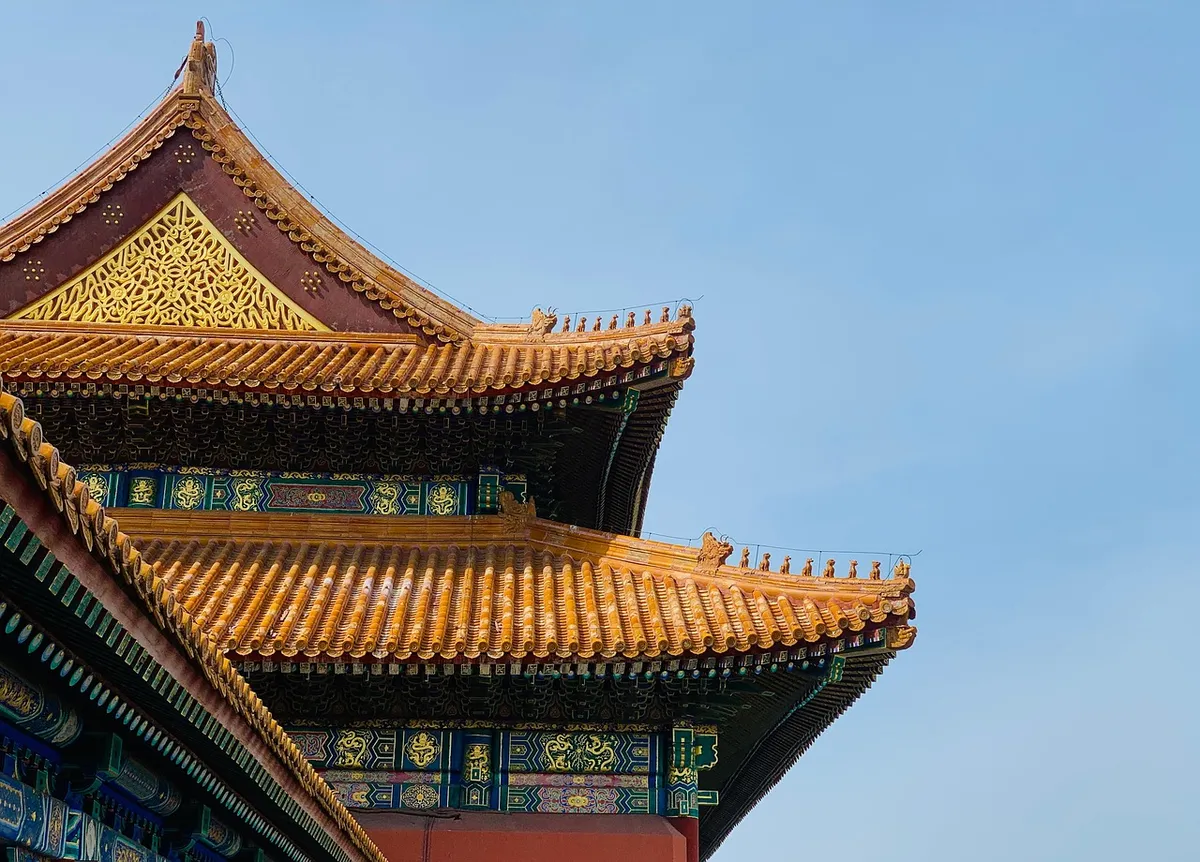
This historical overview provides the necessary background for understanding modern tastes.
How does the lifestyle of the people influence dining?
A busy worker in a bustling southern metropolis grabs a quick meal while navigating a crowded street market. The movement of people between provinces has always brought new flavors and fresh perspectives to local kitchens.
The demographic makeup of a city can change its food culture overnight. In 2008, the domestic migrant population from other provinces of China in Guangzhou was 40% of the city's total population. Such high mobility brings a constant influx of new cooking techniques and ingredient preferences.
This movement creates a melting pot where traditional recipes meet modern, fast-paced lifestyles. Urbanization and migration ensure that the food remains dynamic rather than static. The result is a living culinary history that evolves with every new resident.
However, these lifestyle-driven habits may not apply to those living in highly transient or nomadic environments.
Comparing the two culinary landscapes
A chef compares a heavy, savory sauce with a light, clear broth to understand the soul of a dish. The differences are not just in taste, but in the very way ingredients are handled and presented. According to World Bank data, China recorded an agricultural land share of 41.7% in 2024.
| Feature | Northern Influence | Southern Influence |
|---|---|---|
| Primary Resource | Wheat and Grains | Water and Seafood |
| Climate Focus | Warmth and Preservation | Freshness and Variety |
I noticed how the heavy textures of the north contrast sharply with the lighter, more delicate styles of the south during my own observations of regional menus. This comparison highlights the fundamental divide in how different environments dictate appetite.
In this comparison, the second point regarding flavor profiles is the most extensive.
What are the practical steps to experience these flavors?
A tourist settles into a small local eatery to try a signature dish for the first time. Exploring these cultures requires a willingness to step outside of one's comfort zone and embrace local traditions.
To truly understand the Beijing vs Guangzhou food divide, follow these steps:
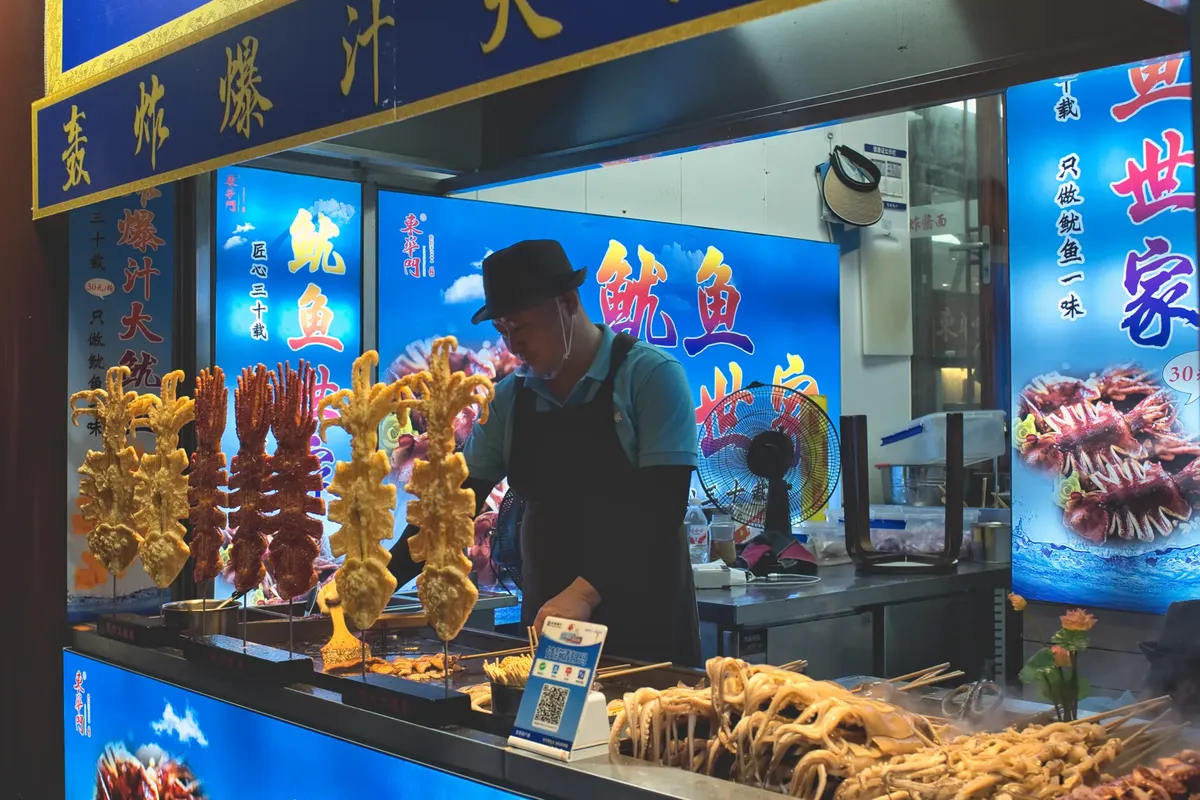
- Identify the staple grain used in the region, such as wheat in the north or rice in the south. 2. Observe how seasonal changes affect the availability of fresh versus preserved ingredients. 3. Visit local markets to see how water-rich or land-heavy environments dictate the daily catch or harvest.
A final check of the local menu often reveals the true identity of the region. By understanding these patterns, a traveler can better appreciate the complexity of the meal.
- Research authentic local eateries in both regions.
- Visit during peak seasonal periods to taste traditional ingredients.
- Engage with local food vendors to understand regional preparation methods.
The same subject is also called Northern vs Southern food.
This part also covers History and food culture.
The same subject is also called Beijing vs Canton cuisine.
Related
How does the empire's structure influence the dishes?
The empire’s administrative reach meant that while the ingredients differed greatly, the cultural exchange was constant. The need for centralized communication, evidenced by the signal tower network, suggests that even local cooking practices were subtly influenced by the broader imperial needs.
This constant flow of information mirrors the flow of ideas that permeated the cuisine.
The journey of information, which traveled swiftly across the empire, parallels the journey of culinary trends. While the specific dishes remained rooted in their local resources, the awareness of distant tastes likely influenced refinement and adaptation in both the north and the south.
This constant awareness of the empire’s expanse is reflected in the dishes.
The flavors of the north and the south, therefore, represent not just two isolated culinary traditions, but two vibrant poles of a single, expansive cultural entity. The empire acted as a crucible where regional variations were maintained yet subtly interacted.
However, these structural influences may be less visible in modern, decentralized food markets.


Comments 0