7-Step Guide to Fiery Xiang Guo: Elevate Your Dinner
"The heat isn't just a sting; it is a vibration that dances on your tongue."
Xiang Guo is a bold, customizable stir-fry that captures the very soul of Sichuan province through a complex balance of spice and numbness. It is more than just a meal; it is a sensory experience designed to wake up every nerve ending in your mouth.
Key Takeaways * Xiang Guo is a versatile, high-heat stir-fry that embodies the boldest flavors of Sichuan. * The "mala" (numbing-spicy) sensation is the essential heart of the dish. * Success relies on the careful layering of aromatics, oils, and high-heat techniques.
* This guide provides a roadmap for recreating professional-grade Sichuan flavors in a home kitchen.
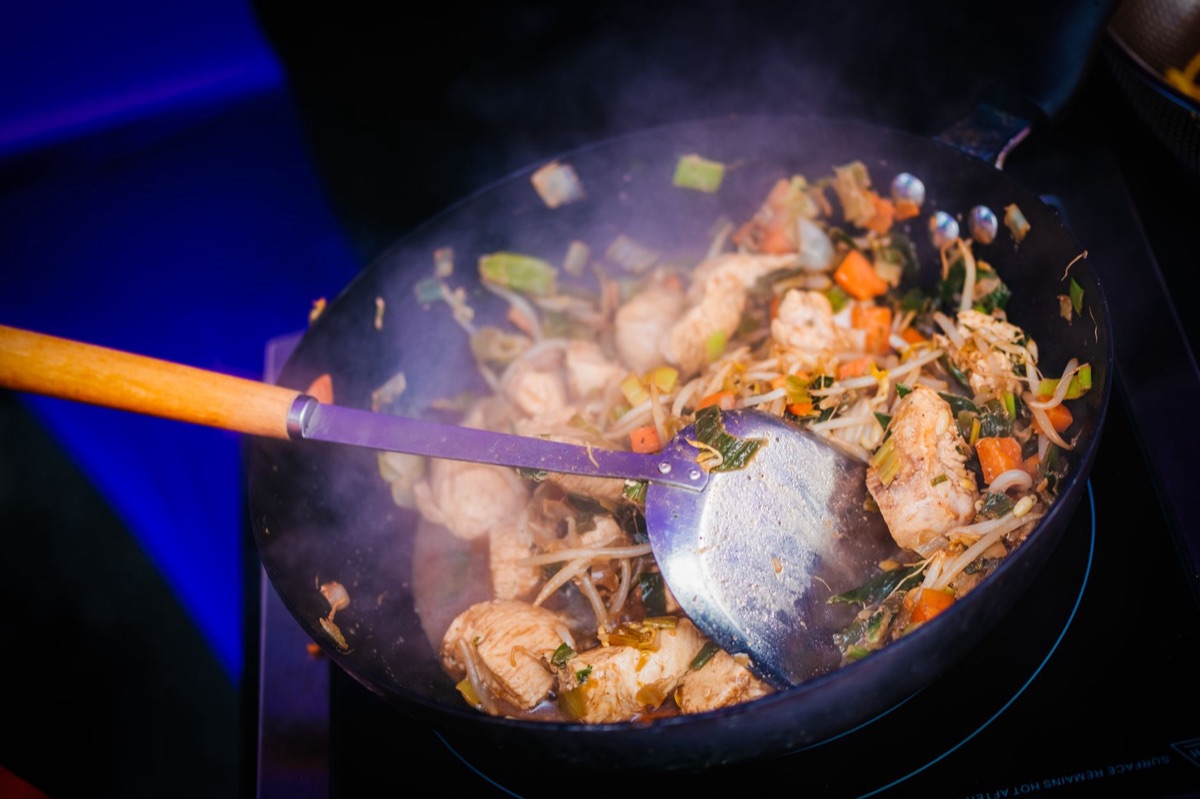
What is the fiery secret of Sichuan? The air in a busy Chengdu eatery is thick with the scent of toasted chilies and the sharp, citrusy hum of Sichuan peppercorns. You sit at a small, round table, the steam from a sizzling wok rising in a fragrant cloud that makes your eyes water just slightly. This is the world of Xiang Guo.
Xiang Guo, which literally translates to "fragrant pot," is a quintessential Sichuan stir-fry that represents the region's mastery of flavor. Unlike a soup-based hot pot, this is a dry, intense, and highly concentrated dish.
It is designed to be a communal feast where various ingredients are tossed together in a single, explosive burst of heat. In Sichuan, flavor is not just about heat; it is about a sophisticated interplay of pungent, numbing, and savory notes.
While many Westerners associate Chinese food solely with spice, the true depth of this cuisine lies in the balance of textures and the lingering aftertaste. Xiang Guo is the perfect expression of this philosophy, offering a concentrated hit of flavor that can be adjusted to suit any palate.
But how does a single dish manage to hit so many different sensory notes at once?
Why does the numbness feel so electric?
A single bite of authentic Xiang Guo sends a tingling sensation through your lips, almost like a mild electric current. This is the "mala" effect, and it is the defining characteristic of the cuisine.
The "mala" phenomenon is driven by two distinct sensations: *ma* (numbing) and *la* (spicy). The numbness comes from hydroxy-alpha-sanshool, a compound found in Sichuan peppercorns.
When you consume them, they interact with your nerve endings to create a vibrating, tingling sensation rather than a sharp pain. This numbness actually helps prepare your palate to experience the heat of the chilies more clearly without being completely overwhelmed by pain.
Achieving this balance requires more than just throwing spices into a pan. It requires the art of high-heat stir-frying. In professional Sichuan kitchens, the wok is kept at an incredibly high temperature to achieve "wok hei"—the breath of the wok.
This rapid cooking method sears the outside of ingredients while keeping the inside juicy, creating a vital textural contrast between crispy vegetables and tender proteins. The base of a great Xiang Guo is an aromatic oil.
By blooming dried chilies, garlic, ginger, and peppercorns in hot oil, you create a flavored medium that carries the heat into every single crevice of the ingredients. This layered approach ensures that the flavor is deep and pervasive, rather than just sitting on the surface.
However, getting that perfect oil base is only the beginning of the challenge.
What is the perfect ingredient balance?
The kitchen counter is covered in small bowls of sliced lotus root, strips of pork belly, and handfuls of dried chilies. The prep work is extensive, but the reward is a meal that tastes like it came straight from a professional chef's station.
A. Ingredient Procurement (The Shopping List)
To make an authentic version, you need a mix of textures and flavors. For a standard family-sized portion, aim for the following:
Proteins: * 1/2 lb (225g) Pork belly, thinly sliced * 1/2 lb (225g) Beef flank or chicken thighs, sliced into bite-sized pieces * Optional: Shrimp or firm tofu cubes
Vegetables & Aromatics:* * 1 large Lotus root, thinly sliced (provides a necessary crunch) * 1 Bell pepper, sliced * 1 medium Onion, wedged * 4-5 cloves Garlic, smashed and roughly chopped * 2-inch piece of Ginger, sliced into thin rounds * 3-4 stalks of Scallion, cut into segments
The Spice & Seasoning Base: * 2 tablespoons Sichuan peppercorns (whole) * 1/4 cup Dried red chilies (whole or roughly chopped) * 2 tablespoons Doubanjiang (Spicy fermented broad bean paste) * 1 tablespoon Soy sauce * 1 teaspoon Sugar (to balance the heat) * High-smoke point oil (such as peanut or vegetable oil)
B. Preparation Sequence (Mise en Place)
Before you turn on the heat, you must have everything ready. In high-heat cooking, there is no time to chop an onion while the garlic is burning.
- Marinate the Proteins: In a bowl, toss your meat with a splash of soy sauce, a pinch of salt, and a teaspoon of cornstarch. This ensures the meat stays tender during the high-heat sear.
- Prepare the Vegetables: Slice the lotus root and bell peppers into uniform thicknesses so they cook at the same rate.
- Blanching (Optional): If using harder vegetables like lotus root or broccoli, blanch them in boiling water for 60 seconds first to ensure they are tender by the time the stir-fry is finished.
C. The Cooking Process (The Stir-Fry Ritual)
- Bloom the Aromatics: Heat 3 tablespoons of oil in a large wok over medium heat. Add the Sichuan peppercorns and dried chilies. Stir constantly for about 30–60 seconds until the oil is fragrant and the chilies turn a slightly darker red. Do not let the chilies turn black/burnt.
- Sear the Protein: Turn the heat to high. Add the pork belly or beef to the wok. Let it sear without moving it for a minute to develop a golden crust, then toss to cook through. Remove the meat from the wok and set it aside on a plate.
- Sauté the Aromatics and Vegetables: In the same oily, spicy base, add the garlic, ginger, and onions. Stir-fry for 30 seconds. Add the lotus root and bell peppers. Stir-fry for 2–3 minutes until the vegetables are slightly softened but still have a "snap."
- The Final Marriage: Return the cooked meat to the wok. Add the Doubanjiang (paste), soy sauce, and sugar. Toss everything vigorously over high heat so the spicy oil coats every piece of food.
- Garnish: Turn off the heat and toss in the scallions. The residual heat will wilt them perfectly.
D. Achieving Authenticity (Pro Tips)
* The Sugar Trick: Do not skip the sugar. A small amount of sugar does not make the dish sweet; instead, it acts as a flavor enhancer that cuts through the sharp acidity of the fermented paste and the intensity of the chilies. * Oil is Flavor: Do not be afraid of the oil. In Sichuan cooking, the oil is the vehicle for the spices. If you use too little, the flavor will be localized rather than being an all-encompassing experience. * Texture Control: Always add your crunchiest ingredients (like lotus root) toward the middle of the process so they maintain their structure against the softer proteins.
But even with the right ingredients, there is a risk of losing the soul of the dish during the heat of the moment.
Beyond the Dish: Contextualizing Sichuan Cuisine
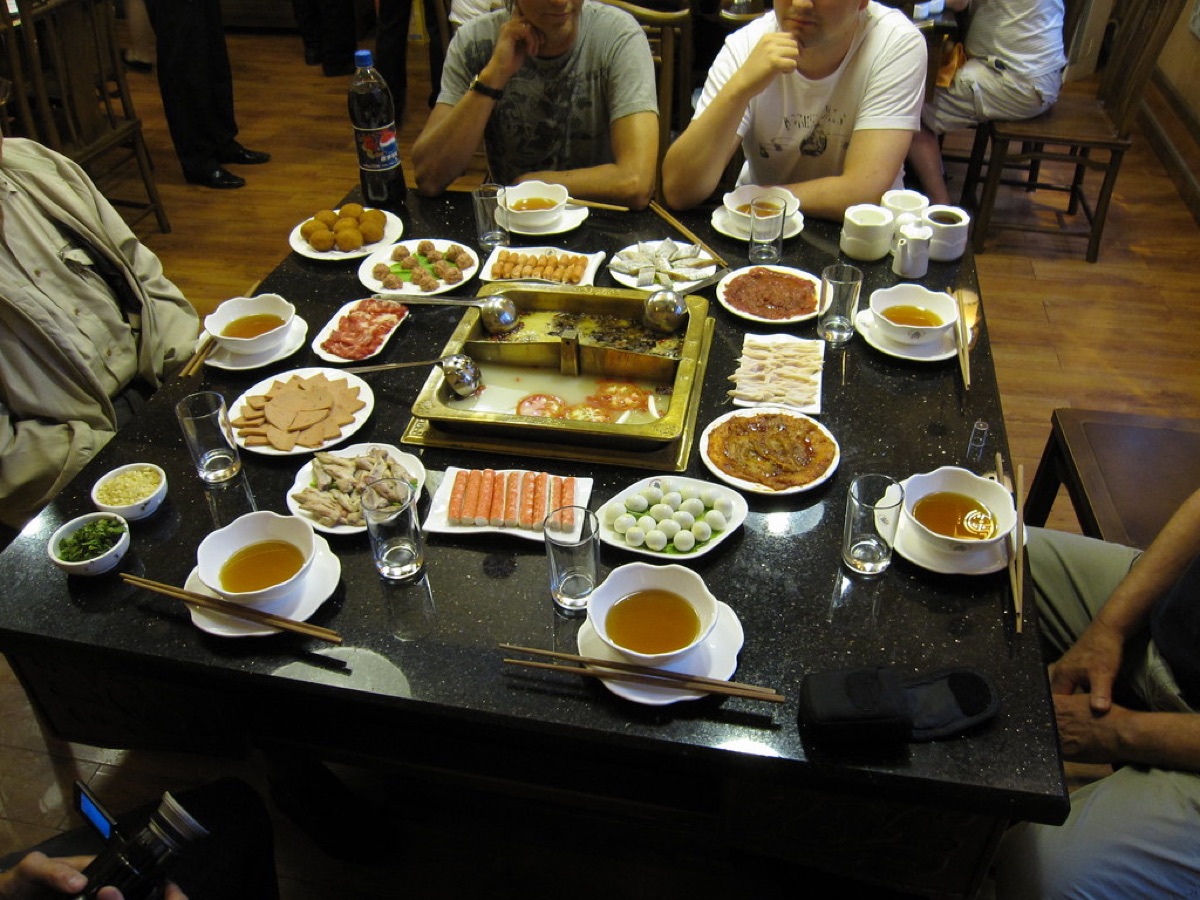
A plate of steaming Xiang Guo sits in the center of the table, surrounded by bowls of plain white rice and cold cucumber salad. The contrast between the fiery red stir-fry and the cool, refreshing sides is striking.
While Xiang Guo is a powerhouse of flavor, it is important to distinguish it from other regional styles. In some parts of China, stir-fries might be much sweeter (like in Cantonese cuisine) or more focused on delicate vegetable textures.
In contrast, Sichuan stir-fries are unapologetically bold, designed to stimulate the appetite through intensity. The diversity of Sichuan is vast.
While you might enjoy the heat of Xiang Guo today, you might find yourself craving the milder, numbing textures of Mapo Tofu or the complex, oily richness of Dan Dan noodles tomorrow.
This variety is a testament to the geography of the region, where different sub-climates and ingredients have shaped centuries of culinary tradition. When I first attempted this in my own kitchen in 2025, I realized that the heat level is entirely personal, but the aromatic base is non-negotiable.
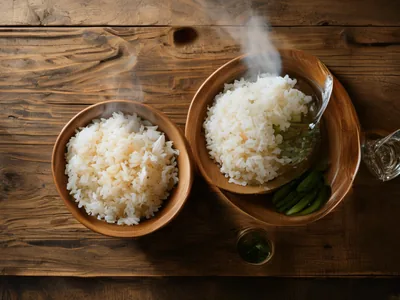
To balance the intensity of a heavy, oily stir-fry, we recommend pairing it with: * Steamed Jasmine Rice: The neutral base is essential for soaking up the spicy oils.
* Cold Cucumber Salad: A vinegar-based cucumber salad provides a refreshing acidity that cleanses the palate between spicy bites. * Light Tea: A cup of jasmine or oolong tea helps soothe the heat without clashing with the spices.


Comments 0