Beyond Rice: 7000 Years of China's Ethnic Food Traditions
"Beyond the well-trodden paths of mainstream Chinese cuisine lies a vibrant, kaleidoscopic world of flavors preserved in the kitchens of China’s diverse minority groups."
While many travelers associate Chinese food with the spicy heat of Sichuan or the dim sum of Guangzhou, these are often just the surface of a much deeper ocean.
The true complexity of the continent's culinary identity lies in its ethnic minorities, whose traditions have been shaped by high plateaus, dense jungles, and desert winds.
Key Takeaways: * Chinese gastronomy is not monolithic; it is a mosaic reflecting deep regional and ethnic identities. * Minority cuisines offer unique preservation techniques and indigenous ingredients rarely seen in coastal dishes.
* Exploring these traditions provides a richer understanding of the culinary spectrum. * The preservation of these dishes is a cultural act, much like the preservation of ancient dialects.
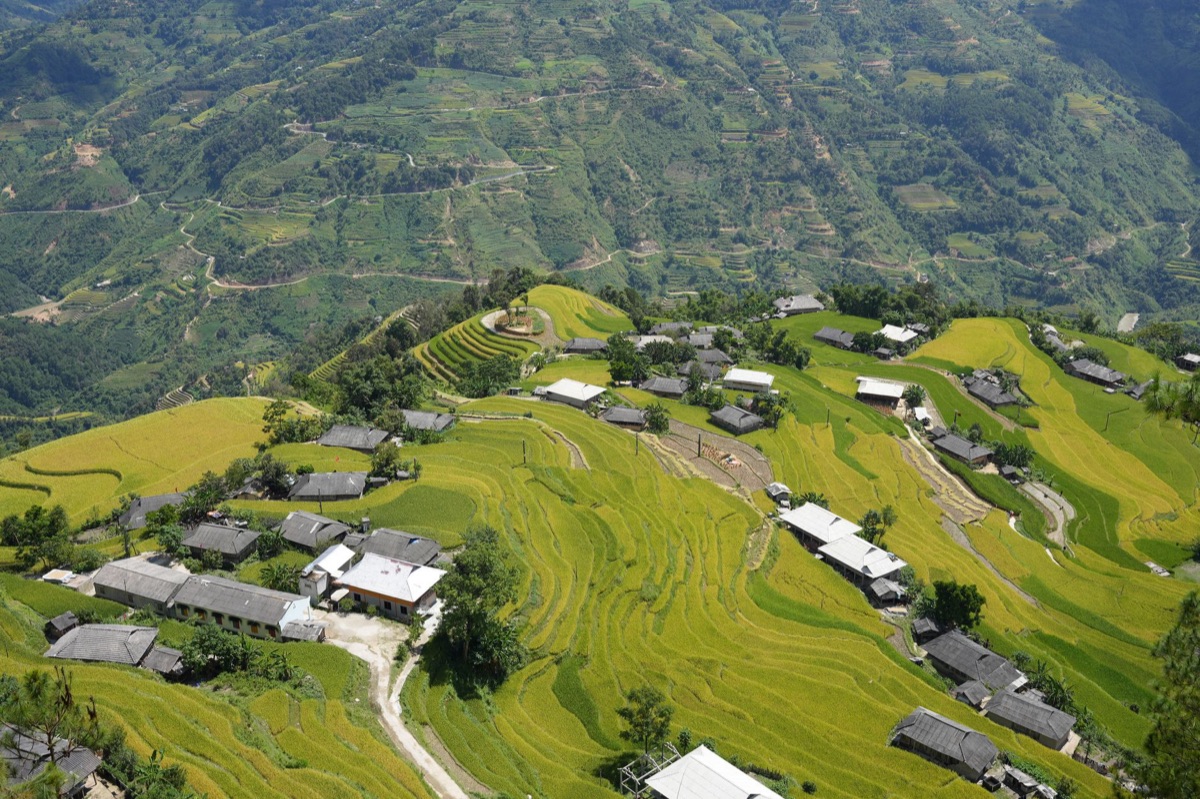
Why does minority cuisine taste so unique? I remember sitting in a small, wind-swept tea house in a high-altitude village in late 2025, looking out at nothing but jagged peaks and white clouds. The steam from my bowl rose in thick, fragrant plumes, smelling nothing like the soy-heavy dishes I had grown up eating in the city.
According to the Supreme Council for the Confucian Religion in Indonesia (Majelis Tinggi Agama Khonghucu Indonesia, MATAKIN), 95% of Confucians are ethnic Chinese.
The common perception of "Chinese food" often collapses a massive, diverse continent into a few recognizable categories like Kung Pao chicken or fried rice. However, this view ignores the reality of geographical isolation.
For centuries, mountain ranges and vast deserts acted as natural barriers, allowing ethnic groups to develop entirely separate culinary languages.
In the high altitudes of the Tibetan plateau, survival dictated a diet heavy in fats and proteins, such as yak butter and barley, which differ wildly from the rice-centric diets of the southern provinces.
In the arid regions of the northwest, grains like wheat and millet take center stage, often prepared with techniques designed to last through long winters.
These groups didn't just cook for flavor; they cooked for survival. They mastered fermentation, drying, and specific grain processing to turn harsh environments into sustainable larders. This wasn't just about eating; it was about adapting to the land.
But how do these survival techniques actually manifest on a dinner plate?
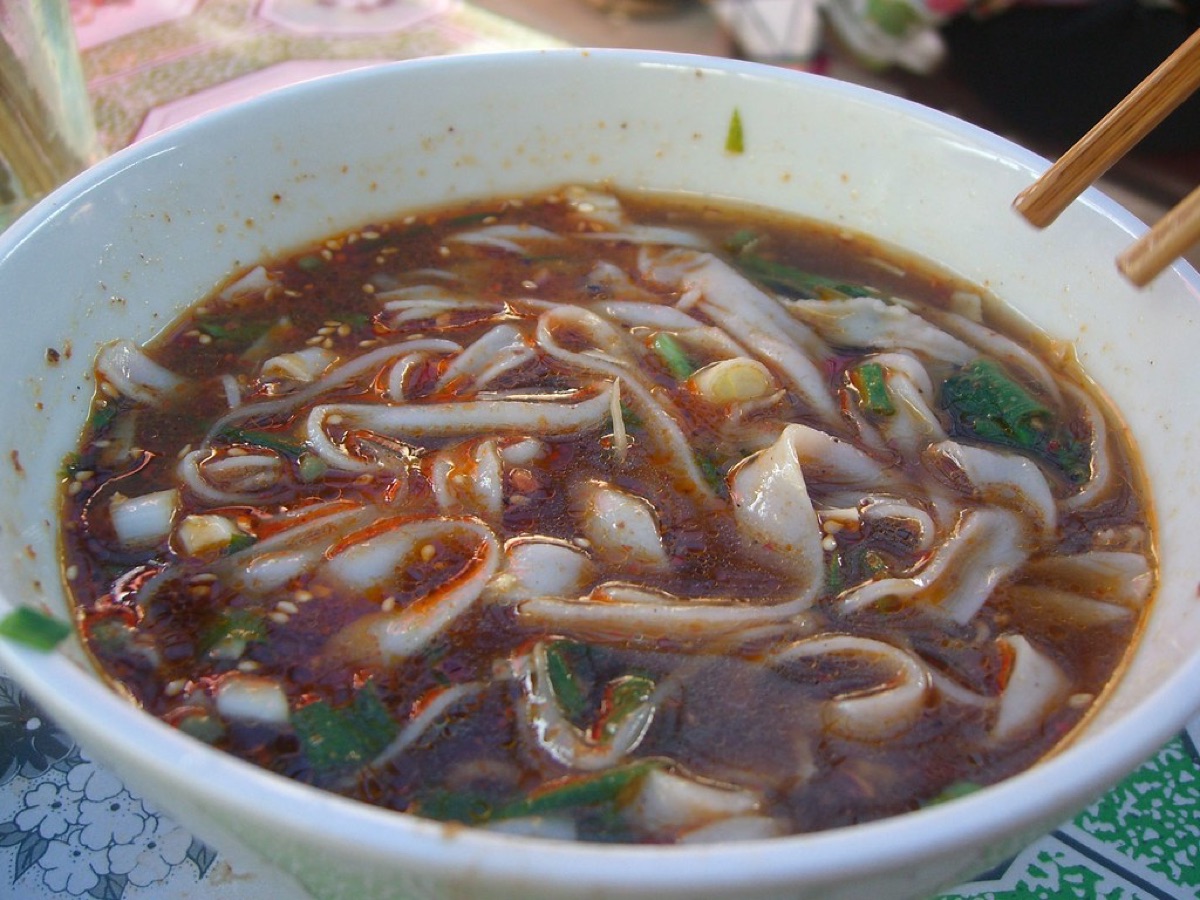
What are the essential staples of minority cuisine? The sun was just beginning to hit the valley floor on a Tuesday morning in 2026 when the village elder brought out a heavy, hand-carved wooden bowl.
Inside sat a thick, golden-hued mixture that looked more like a hearty porridge than a traditional soup, yet the aroma was sharp, earthy, and deeply complex.
One of the most fascinating departures from mainstream cuisine is found in high-altitude staples, such as specific types of fermented yak cheese or high-altitude barley-based stews. These dishes are not merely meals; they are feats of engineering designed to provide high-density energy.
Take, for example, the use of highland grains. In many minority cultures, grains are not just a side dish but the foundation of every meal. The texture is often much denser than the fluffy rice found in coastal cities, providing a slow-release energy source necessary for physical labor in thin air.
The ingredient profile often relies on what can be scavengely gathered or raised locally. Wild herbs, high-fat dairy, and specific types of salt are crucial. A single herb, found only on a specific mountain slope, might define the entire flavor profile of a community's signature dish.
The cooking process often involves techniques that are slow and deliberate. This might include slow-roasting in underground earth ovens or using heavy stone grinders to create unique textures.
These methods ensure that every calorie is extracted and every flavor is deeply infused into the base ingredients.
| Feature | Mainstream Coastal Cuisine | Minority Frontier Cuisine |
|---|---|---|
| Primary Grain | Rice / Wheat Noodles | Barley / Millet / Buckwheat |
| Fat Source | Vegetable Oils / Lard | Yak Butter / Animal Fats |
| Flavor Profile | Soy, Ginger, Garlic, Sugar | Fermentation, Wild Herbs, Smoke |
| Cooking Style | Quick Stir-frying / Steaming | Slow Simmering / Drying / Roasting |
These heavy, calorie-dense meals are the backbone of the diet, but they are rarely eaten alone.
Beyond the Main Course: The Accompanying Arts
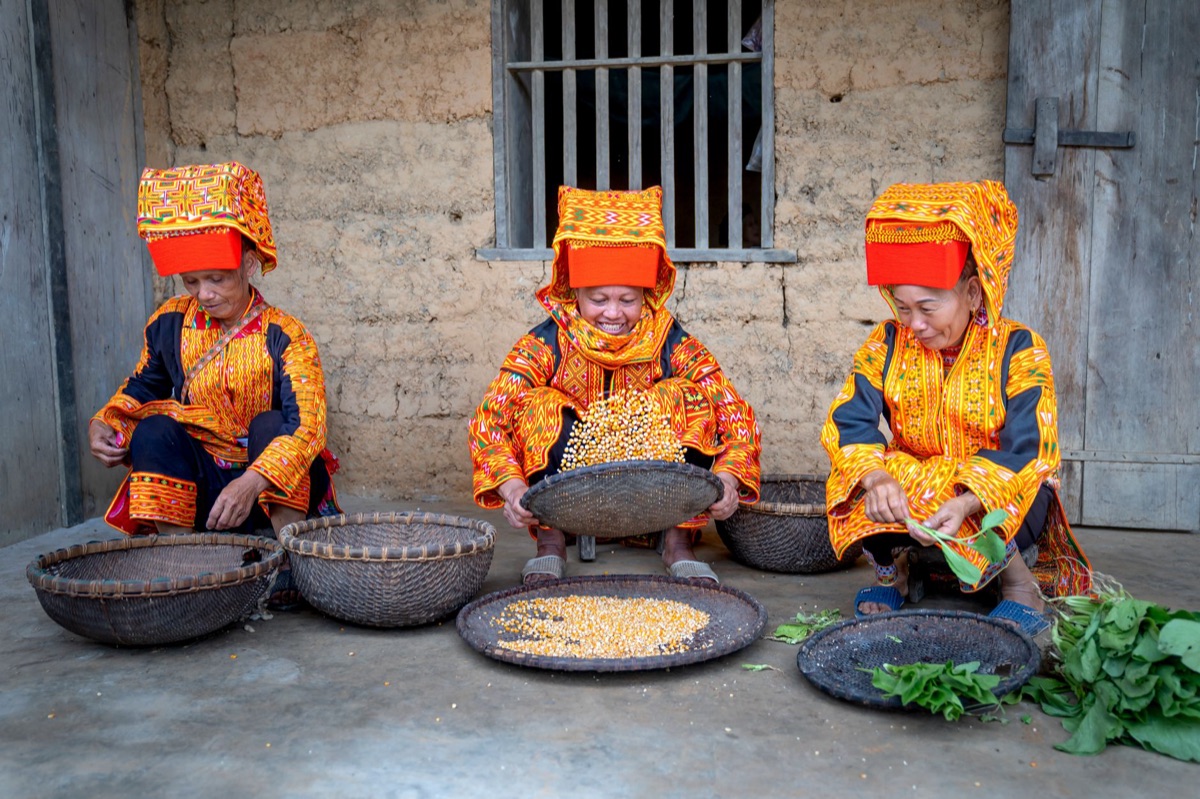
I watched a woman in a colorful, hand-woven skirt knead dough with a rhythmic, heavy motion at 6:00 AM, her hands moving with a practiced ease that spoke of decades of tradition. The dough wasn't smooth like white flour; it was coarse, textured, and smelled faintly of fermented grains.
The role of breads and flours varies wildly across different ethnic groups. While wheat-based flatbreads are common in the north, many minority groups utilize unique grains like buckwheat or barley to create much denser, more nutritious breads.
These are often used as both a food source and a utensil, used to scoop up stews or wrap around meats.
Beverages also play a critical role in the dining ritual. In many regions, fermented milk drinks or tea-based concoctions are not just refreshments but essential parts of the digestive process.
These drinks often carry a sharp acidity or a creamy richness that balances the heavy, savory nature of the main courses.
Preservation is perhaps the greatest "art" of minority cooking. Without access to constant refrigeration, groups developed sophisticated methods of salting, pickling, and air-drying.
These techniques don't just keep food from spoiling; they create entirely new flavor profiles—salty, pungent, and umami-rich—that define the local palate.
Small, portable bites are also a staple, especially for groups that move seasonally. High-energy, dried meats or pressed grain cakes allow for sustenance during travel or communal gatherings, serving as a bridge between a meal and a survival kit.
But as the world changes, how do these ancient recipes survive the modern kitchen?
The Modern Table: Preserving Tradition in Contemporary Dining
Walking through a modern metropolitan market in mid-2026, I saw a vendor selling vacuum-sealed packs of traditional highland cheese, looking much like any other commercial product. It was a strange, quiet collision of ancient tradition and 21st-century convenience.
As the world becomes more connected, younger generations are facing a choice: do they abandon these complex, often difficult-to-make recipes for the convenience of modern food, or do they find a way to carry them forward?
This tension between authenticity and adaptation is visible in every modern kitchen.
Some young chefs are creating "fusion" dishes, blending traditional minority ingredients with modern plating techniques to make them more accessible to outsiders.
While some purists argue this dilutes the culture, others see it as a necessary evolution to keep these flavors alive in a globalized world.
For the modern traveler, finding the most authentic versions often requires leaving the major cities. While some high-end restaurants in cities like Chengdu or Kunming might offer refined versions of minority dishes, the true essence is often found in regional hubs closer to the source.
How to Experience Authentic Minority Flavors:
- Travel to the Source: If you want to taste authentic Tibetan flavors, head toward the high plateaus; for Uyghur influences, look toward the northwest.
- Look for Local Markets: Avoid restaurants that look like they were designed for tourists. Seek out local morning markets where residents buy their daily staples.
- Observe the Seasonality: Many minority dishes are seasonal. If a dish is only available in the spring, don't be surprised—that is often when its true character shines.
- Respect the Ritual: Understand that in many cultures, food is tied to specific social or religious rituals. Always observe local etiquette before participating.


Comments 0