Sichuan to Northeast: 8 Ways Chinese Cuisine Adapts to Taste
"To understand the soul of a culture, one must first taste the soil that raised it."
The vastness of China means that a single ingredient can be transformed into a thousand different personalities depending on whether it hits a wok in Chengdu or a steaming pot in Harbin.
From the numbing buzz of a peppercorn to the salty depth of fermented pastes, the secrets of the Chinese table lie in the mastery of regional specificity.
Key Takeaways
* Regional Identity: Geography and climate dictate the staples, creating a sharp divide between the wheat-heavy North and the rice-centric South. * Flavor Drivers: Specific ingredients like Sichuan peppercorns and fermented preserves act as the "DNA" of regional cooking styles. * Methodological Diversity: Preservation techniques—ranging from drying and pickling to complex fermentation—allow flavors to transcend seasonal limitations.

What Makes Chinese Cuisine So Diverse?
The morning mist hangs over a bustling market in Xi'an, where the smell of toasted wheat and steaming dough fills the air, contrasting sharply with the humid, rice-scented breezes of a canal town in Suzhou. This sensory divide is the foundation of Chinese culinary diversity.
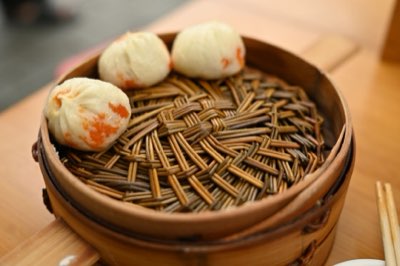
The fundamental split in Chinese eating habits is often categorized by the grain that forms the backbone of the meal. In the North, the cooler and drier climate historically favored wheat, leading to a culture of noodles, dumplings, and steamed buns.
In the South, the warmer, wetter landscapes provided the perfect environment for rice, which serves as the primary starch and a canvas for various soups and stir-fries.
Climate and geography do more than just decide the grain; they dictate the preservation methods necessary for survival. In regions with harsh winters, drying and heavy pickling became essential to keep vegetables and proteins edible year-round.
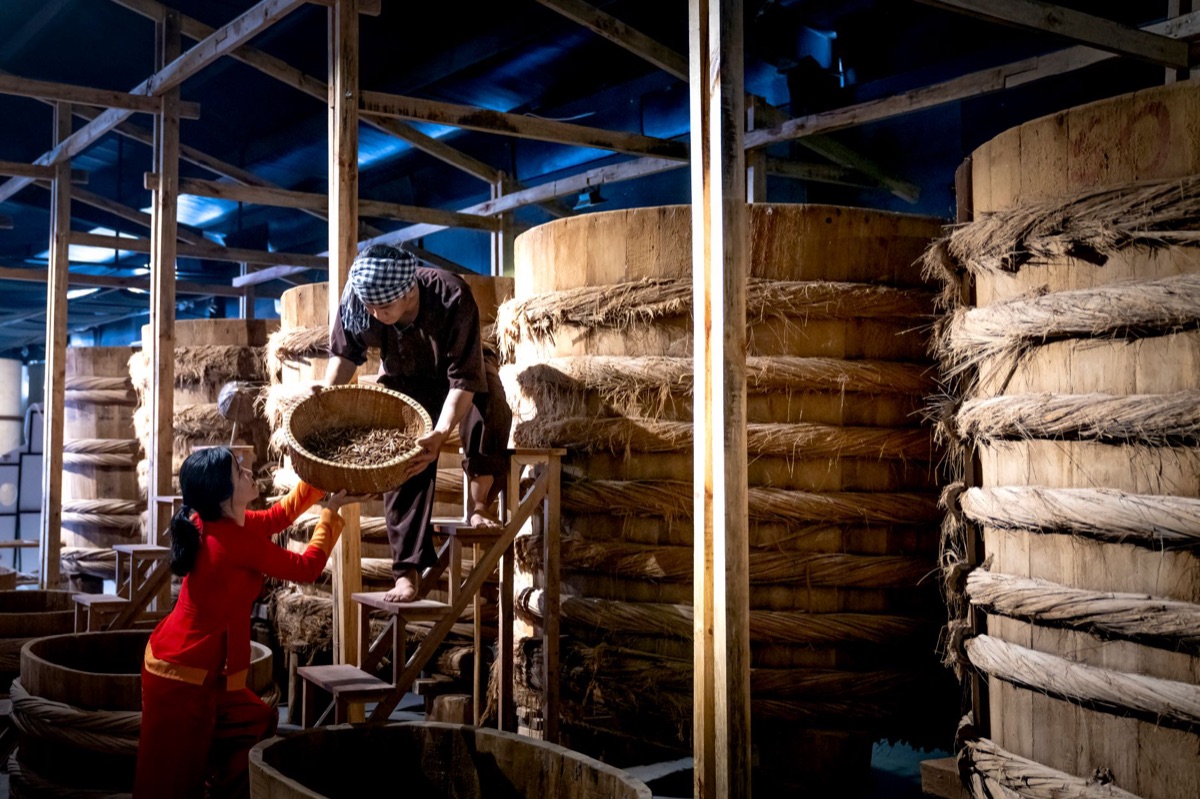
In the subtropics, fermentation and salt-curing techniques allow for the development of complex, funky flavors that define the local palate. This necessity turned into an art form, where the "survival" method became the "signature" flavor.
These environmental factors also influence cooking techniques.
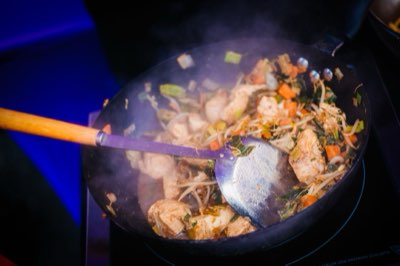
The quick, high-heat stir-fry is a staple where fresh ingredients are plentiful and heat is easily managed, whereas the slow-simmered braise and heavy stewing are common in areas where ingredients need to be softened or where warmth is a dietary requirement.
But the grain and the weather are only the beginning of the story.
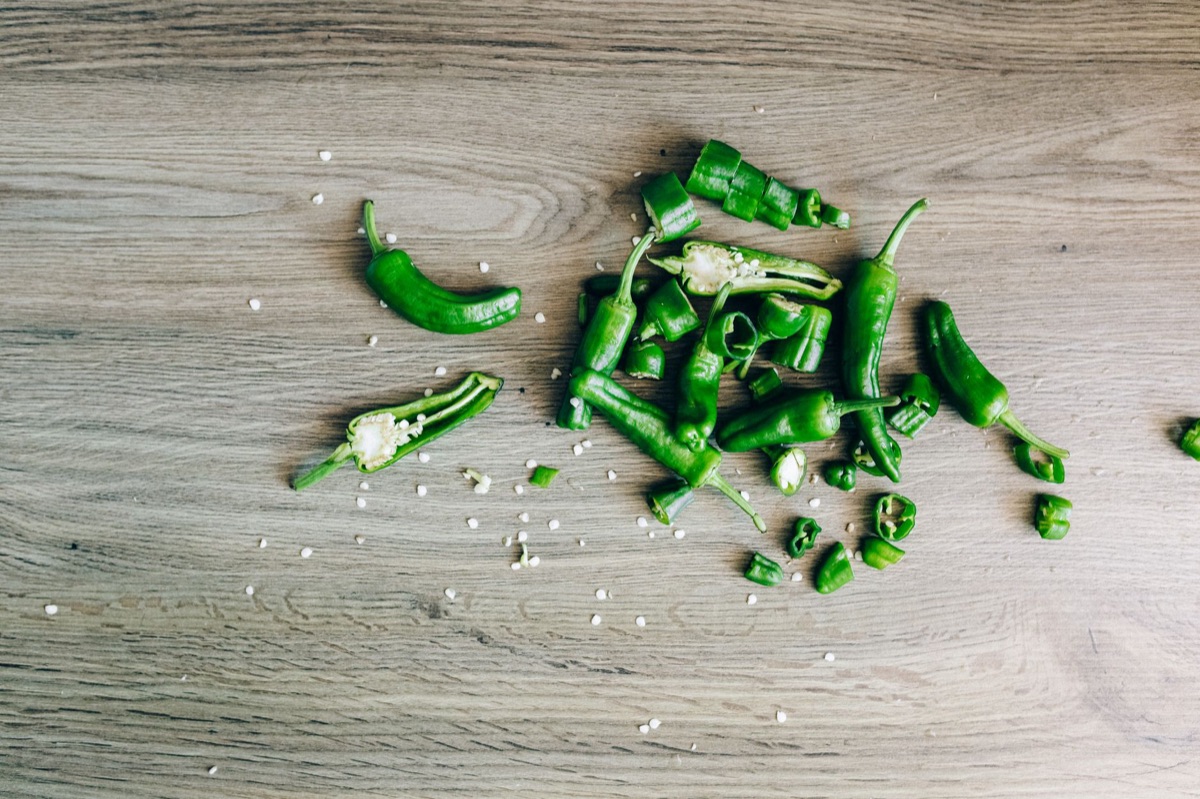
Why do certain spices take over an entire province?
A diner sits in a small, red-lantern-lit shop in Chengdu, and as they take a bite of Mapo Tofu, their tongue begins to vibrate with a strange, electric tingling sensation that isn't quite heat, but something entirely different.
This sensation is the hallmark of *málà*, the "numbing and spicy" profile that defines Sichuan cuisine. The "ma" (numbing) comes from the Sichuan peppercorn, a citrus-scented husk that contains hydroxy-alpha-sanshool.
This chemical compound causes the trigeminal nerve to react, creating a physical vibration on the tongue. When paired with the "là" (spicy) heat of dried chilies, it creates a multidimensional flavor profile that masks the heaviness of fats and stimulates the appetite.
In the colder Northeast (Dongbei), the flavor profile shifts dramatically. Instead of the bright, numbing heat of the South, the Northeast often relies on the deep, savory notes of preserved vegetables and heavy, salt-cured meats.
Root vegetables and wild-foraged greens, preserved through drying or fermentation, provide the essential acidity and salt needed to cut through the richness of hearty stews.
Beyond the heat, the use of oils and vinegars defines the regional "fingerprint." A Cantonese chef might use a delicate, light soy sauce and a hint of sesame oil to preserve the natural taste of seafood, while a diner in the North might reach for a robust, dark black vinegar to add a sharp, malty acidity to a bowl of noodles.
The spices tell a story, but the way the table is set tells another.
How do the different styles of dining compare?
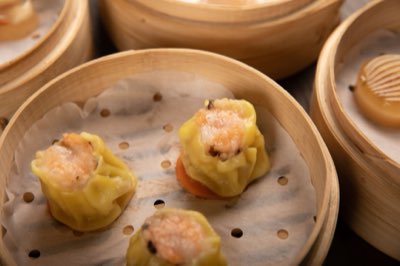
At a crowded family gathering, a large round table is covered in a mosaic of small plates, where a single piece of pork might be served as a delicate dim sum in the morning and a heavy, braised centerpiece in the evening.
The versatility of ingredients is best seen in the ritual of starch. In the North, the dumpling is a vessel of texture and juice, while in the South, the delicate, translucent skin of a Xiaolongbao (soup dumpling) represents a mastery of delicate steaming.
The same grain can be a chewy hand-pulled noodle in Lanzhou or a soft, steamed rice cake in another province, each texture tuned to the local preference.
The distinction between street food and formal dining adds another layer of complexity. A single ingredient, such as a chicken wing, can be a greasy, spicy snack on a street corner in Chongqing, or it can be the centerpiece of a sophisticated, slow-cooked banquet dish in a high-end restaurant.
The core ingredient remains, but the preparation and the intended "experience" shift entirely.
Even the beverages and desserts are not mere afterthoughts. Tea is the great equalizer, used to cleanse the palate between spicy courses or to complement the delicate flavors of dim sum.
In many regions, sweet soups (tong sui) serve as a functional end to a meal, providing a gentle, soothing finish to the digestive system.
When I traveled through the Yunnan province in late 2025, I noticed how the mountain air changed the very texture of the tea leaves and the saltiness of the preserved meats. It was a reminder that flavor is never static.
But how do you actually navigate a real meal when you arrive?
How should you navigate a traditional meal?
A group of friends gathers around a Lazy Susan, the rotating glass tray spinning slowly as they pass dishes, a single synchronized dance of chopsticks and shared plates.
The communal nature of the Chinese table is central to the dining experience. Unlike the individual plating common in the West, the shared plate represents unity and the collective nature of the family and social unit.
The ability to navigate a shared dish with etiquette—using serving spoons or specific chopstick movements—is a learned social skill.
To make the most of a traditional meal, follow these steps:
- Wait for the Host: Always wait for the eldest or the host to begin eating before you pick up your own utensils.
- Use the Serving Spoon: If a communal spoon is provided, use it to transfer food to your own small plate rather than eating directly from the main dish.
- Mind the Lazy Susan: When the table rotates, move it slowly and ensure it stops in front of the next person rather than leaving it in the middle.
- Chopstick Etiquette: Avoid sticking your chopsticks vertically into a bowl of rice, as this mimics a ritual for the deceased.
- much like a dance, observe the rhythm of the table and match the pace of the group.
Meal timing and structure also vary. In many urban areas, the breakfast ritual is a heavy, savory affair involving soups and fried dough, whereas in other regions, the morning might be a light tea and pastry affair.
The "late-night snack" culture is equally vital, where specific street foods are designed to be eaten at midnight to satisfy the lingering hunger of a long day.
Ultimately, every dish acts as a culinary map. When you taste a specific combination of spices or a particular texture of grain, you aren't just eating; you are traveling through the history and geography of a specific province.
| Feature | Northern Style (Wheat-Based) | Southern Style (Rice-Based) |
|---|---|---|
| Primary Staple | Wheat (Noodles, Dumplings, Buns) | Rice (Steamed Rice, Rice Noodles) |
| Climate Influence | Colder, drier; requires hearty foods | Warmer, wetter; favors lighter textures |
| Flavor Profile | Salty, vinegar-heavy, robust | Sweet, savory, delicate, umami-rich |
| Key Technique | Dough stretching, boiling, braising | Steaming, quick stir-frying, steaming |
FAQ
Q: What is the primary difference between Northern and Southern staples? A: The difference is largely driven by climate and agriculture.
The North's drier climate favors wheat, leading to a culture of noodles and dumplings, while the South's wet, warm climate is ideal for rice production, making rice the central staple.
Q: How does preservation differ across regions? A: Northern regions often use drying and heavy pickling to survive long winters, while Southern regions frequently utilize fermentation and salt-curing to manage humidity and preserve seasonal abundance.
Q: What is the modern traveler's best way to experience these flavors? A: The best way is to follow the "map" of the ingredients.
Instead of looking for a generic "Chinese" restaurant, look for places that specialize in a specific province or city, and observe how the local ingredients dictate the menu.
Note on Rice Production and Global Context While the diversity of ingredients is vast, the foundation of many meals relies on the massive output of rice. For context, China has historically been a global leader in grain production.
In terms of exports, China has exported 4.56% of the world's rice in 2019, with a value of US$1.13 billion. All three crop types contribute about 34 percent to China's total rice output.
Rice grown in the north is planted from April to June and harvested from September to October and it contributes about 7 percent to total production. Single rice cropping is predominant in the North, accounting for 17% of the country's total rice production.
Double rice cropping is mainly utilised in the South, accounting for 34% of the country's production rate.

Comments 0