Beyond Spice: 4 Ways Tteokbokki Adapts to Local Flavors
"A single piece of rice cake can hold the history of an entire region's harvest."
Tteokbokki is often simplified as just spicy rice cakes, but it is actually a masterclass in culinary adaptability. It serves as a canvas for whatever ingredients a specific community has at their disposal, turning humble grains into a profound expression of local identity.
Key Takeaways * Tteokbokki is a highly adaptable dish that changes drastically based on regional ingredients and local cooking techniques. * Its evolution reflects the history of migration and the resourceful spirit of minority culinary traditions.
* The dish provides a unique window into how different cultures utilize fermentation, spice, and texture to create comfort.
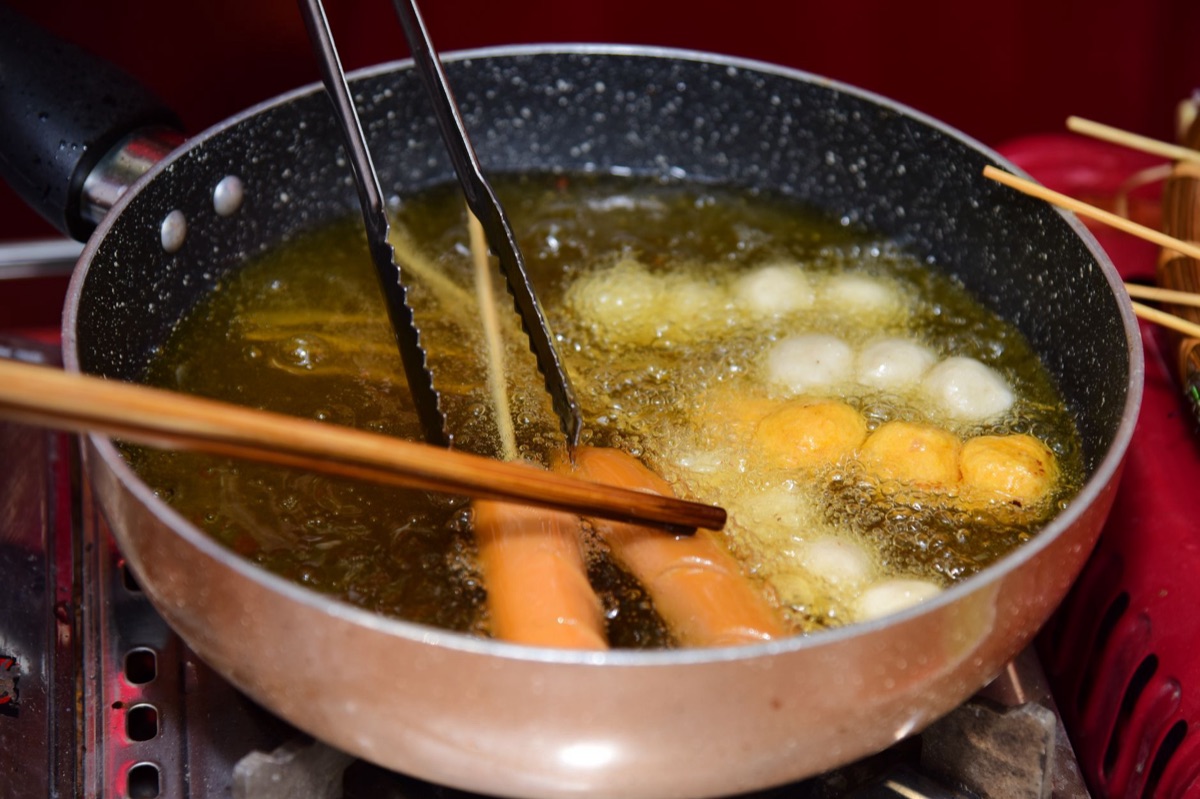
What is Tteokbokki and Where Do Its Roots Lie?
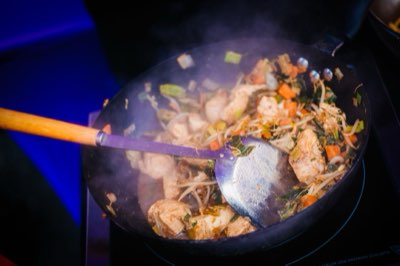
A heavy wooden spoon scrapes against the bottom of a seasoned iron pot at 6:00 AM, stirring a thick, crimson sauce that bubbles with rhythmic pops. The steam rising from the pot carries a scent that is both sharp and comforting, a familiar aroma that signals the start of the day in many households.
According to World Bank, China recorded agricultural land share of 55.4% in 2023.
At its most basic level, Tteokbokki consists of chewy rice cakes (tteok) simmered in a sauce that balances heat, sweetness, and umami.
While many modern diners associate it exclusively with spicy red pepper paste, the concept of "minority group cuisine" in this context refers to how various ethnic and regional groups have taken this basic starch-based foundation and reshaped it to survive and thrive.
Historically, the dish represents the ingenuity of people working with limited resources. In regions where rice was a precious commodity, the texture and preparation of the cake itself became the centerpiece.
The evolution of the dish mirrors the movement of people; as groups migrated, they carried the concept of the boiled rice cake but swapped the seasonings to match the flora and fauna of their new homes.
This transformation turned a simple boiled snack into a complex, culturally significant meal that balances the heat of the pepper with the soothing nature of the grain. But the diversity of the dish goes much deeper than just changing the spice.
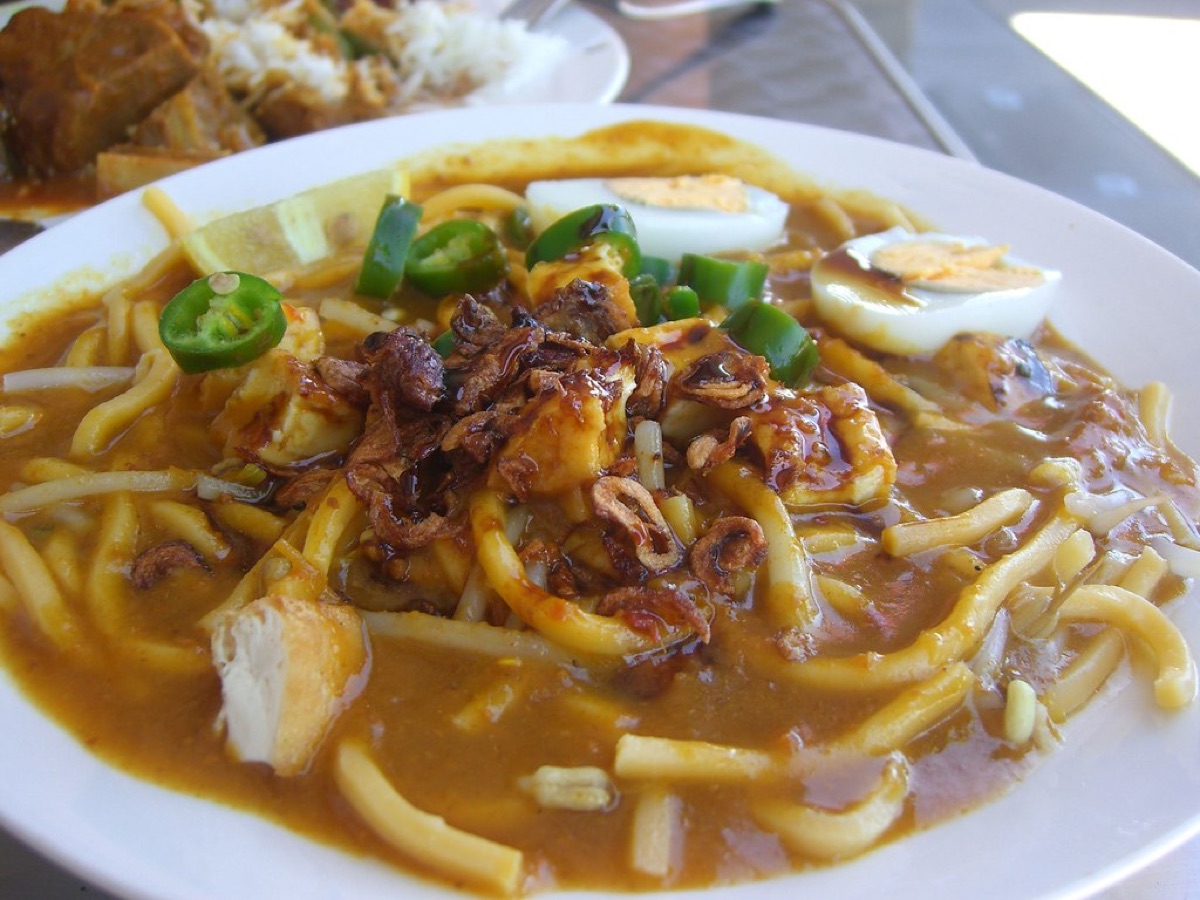
The Spectrum of Variation: Why do flavors change so much?
A coastal fisherman pulls a net from the cold morning tide, while an inland farmer gathers mountain herbs from a misty hillside. These two worlds produce two entirely different versions of the same soul food.
Because the base of the dish is so versatile, it has branched into several distinct styles that reflect the geography of the people making them.
- The Seafood-Forward Coastal Style: In regions with easy access to the ocean, the sauce often skips the heavy paste in favor of a clear, savory broth made from dried anchovies, kelp, and shrimp. The rice cakes are often paired with thick slices of surimi or fresh shellfish, creating a lighter, more oceanic profile.
- The Mountainous Herbal Style: In inland or highland minority communities, the heat often comes from dried mountain peppers or fermented bean pastes rather than the standard red pepper paste. These versions frequently include wild greens, mushrooms, or even venison, providing an earthy, robust flavor that reflects the forest.
- The Fermented Grain Style: Some traditional variations focus heavily on the fermentation of the rice itself. These versions use older, slightly more acidic rice cakes that have been aged, resulting in a texture that is much firmer and a flavor that is tangier, often requiring less added sugar to balance the profile.
- The Street-Style Fusion: This is the modern, urban evolution. It utilizes processed fish cakes (eomuk) and heavy amounts of sugar to create a thick, syrupy glaze that is designed for quick, high-energy consumption.
The contrast between these styles shows that Tteokbokki is not a static recipe, but a living tradition that shifts with the environment. However, understanding the ingredients is only half the battle; the way the meal is shared is equally vital.
Beyond the Base: Why are the rituals so specific?
A group of friends gathers around a low wooden table, the steam from a central pot rising to meet their faces as they share a single set of metal chopsticks. There is no formal etiquette here, only the communal ritual of dipping and sharing.
The way the dish is served is just as important as the ingredients themselves. It is rarely eaten in isolation; instead, it is part of a larger ecosystem of flavors.
* Side Dish Pairings: To balance the intense heat of spicy versions, it is common to serve the dish with cold, crisp pickled radish or a mild, savory seaweed soup. * The Role of the Vessel: In many traditional settings, the dish is cooked in a shallow, wide clay pot to ensure even heat distribution and to allow the sauce to reduce into a thick, coating glaze. * Communal Consumption: Tteokbokki is fundamentally a social food. It is often served as a "one-pot" meal intended for sharing, fostering a sense of community during late-night gatherings or seasonal festivals. * Texture Management: The ritual often involves the careful timing of adding ingredients. Harder ingredients like radish or meat are added first, while the delicate rice cakes are added last to ensure they remain chewy but not mushy.
| Feature | Coastal Style | Inland/Mountain Style |
|---|---|---|
| Primary Flavor | Salty, Umami, Briny | Spicy, Earthy, Herbal |
| Common Protein | Shrimp, Squid, Fish Cakes | Wild Mushrooms, Game Meat |
| Texture | Light and Brothy | Thick and Hearty |
| Best Pairing | Cold Cucumber Salad | Warm Vegetable Broth |
The contrast between these styles shows that Tteokbokki is not a static recipe, but a living tradition that shifts with the environment. But how do you actually master the balance of these flavors?
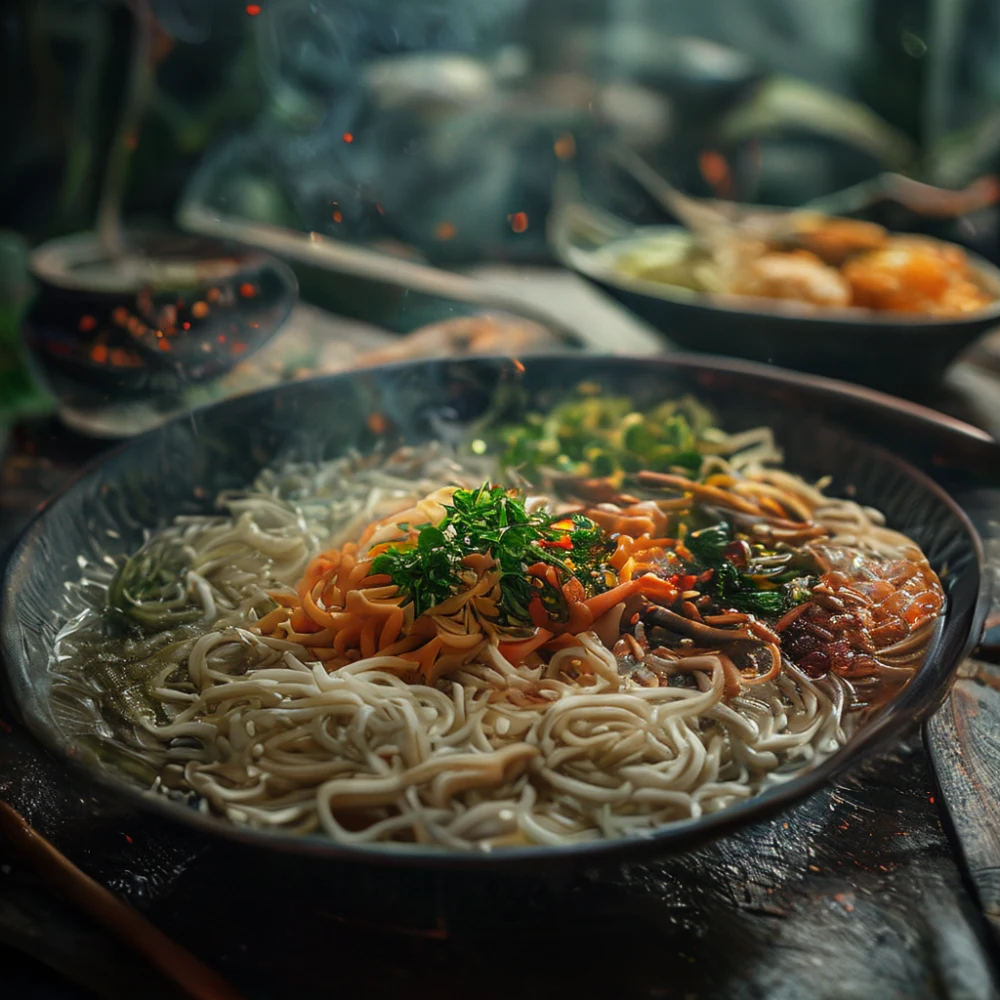
The Science of Flavor: How do you achieve authentic depth?
A chef carefully measures a spoonful of dark, fermented paste, watching how it melts into the simmering liquid to create a perfect, glossy sheen. The balance must be exact; too much liquid and the sauce vanishes, too little and the rice cakes become gluey.
Achieving the perfect Tteokbokki requires understanding the interaction between starch, sugar, and spice. The goal is a sauce that clings to the rice cake rather than running off it.
- Prepare the Base: Start with a flavorful broth (anchovy or kelp is standard). This provides the underlying umami that prevents the spice from becoming one-dimensional.
- Incorporate the Aromatics: Add garlic, ginger, or fermented pastes to the simmering broth. This builds the "body" of the flavor.
- The Sweet-Heat Balance: Introduce your spicy element (like gochujang or dried chili flakes). Slowly add a sweetener—such as honey, sugar, or even grated pear—to round out the sharp edges of the heat.
- The Starch Release: Add the rice cakes to the simmering liquid. As they cook, they release starch into the sauce. This is the secret to the natural thickening process.
- Final Emulsification: Once the cakes are tender, add your protein or vegetables. The sauce should be thick enough to coat the back of a spoon but fluid enough to remain succulent.
The most common mistake is adding the rice cakes too early. If the liquid is boiling too violently when the cakes enter, the outside may break apart before the inside is cooked, leading to a grainy texture.
When I tried making this at home for the first time, I learned that even a 2-minute difference in simmering time could change the texture from chewy to mushy.
Modernizing the Tradition: Is the original spirit being lost?
A modern kitchen in a bustling city features a chef experimenting with truffle oil and smoked cheeses, blending ancient techniques with luxury ingredients. The familiar red sauce is transformed into something entirely new, yet the soul of the rice cake remains.
As the dish has traveled globally, it has undergone a second wave of transformation. Modern cooks are increasingly using the "minority" concept of substitution to create fusion masterpieces.
Some successful modern iterations include adding creamy cheeses like mozzarella to create a "cheese pull" effect that balances the spice, or using heavy cream to create a "Rosé" style sauce that is popular in urban cafes.
Others are experimenting with protein-heavy versions, using brisket or ribeye to turn a snack into a gourmet meal.
While these modern twists are often criticized by traditionalists, they represent the same spirit that drove the original regional variations: the ability to take a familiar staple and make it relevant to the current environment.
***
A Note on Authenticity It is important to recognize that "authentic" is a moving target. While traditionalists may prefer the minimalist, spicy-only versions of the past, the evolution of the dish is what keeps it alive.
However, these modern, heavy-cream or cheese-based versions may not satisfy those looking for the clean, sharp flavors of traditional regional styles.
#


Comments 0