Tteokbokki Origin of Tteokbokki: A guide to its history
"A single meal can bridge the gap between ancient tradition and modern appetite, revealing how dietary shifts shape national identity."
Understanding the origin of Tteokbokki requires looking back at how food management and changing consumption patterns shaped dining. While modern spicy rice cakes are a staple, their roots lie in the evolution of grain use and organized food procurement.
Key takeaways: 1. Historical food management was handled by specialized ministries in royal courts. * Consumption patterns shifted significantly from rice-heavy diets to increased meat and fish intake. 2. The evolution of ingredients reflects broader changes in agricultural and ritual food preparation.
How did royal food management work?
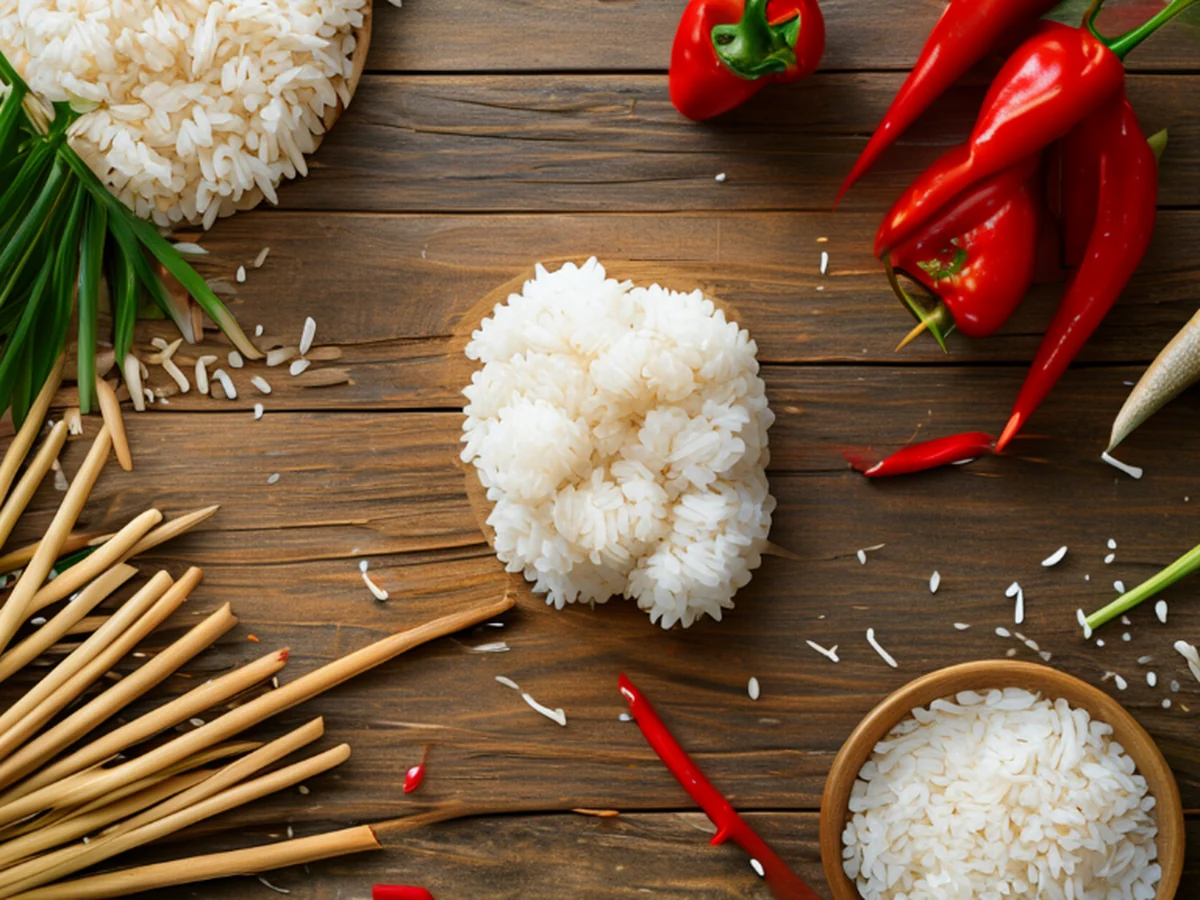
In the dim palace corridor at dawn, a servant's hands tremble slightly while carrying a tray of royal tteokbokki through the silent halls.
A servant carefully carries a tray of seasonal ingredients through a quiet palace corridor.
These roles ensured that the specific needs of the monarchy were met through organized systems.
The management of food was not merely about cooking but about strict administrative oversight. The Board of Rights (Yejo) were responsible for foods prepared for ancestor rites, attaining wines and other beverages, and medicinal foods.
This division of labor ensured that ritual and health requirements were met with precision.
The structure of these ministries provided a foundation for how ingredients were sourced and utilized. I remember reading how these administrative roles were vital for maintaining the social order through food.
This organized approach to procurement allowed for the development of complex culinary traditions over many centuries.
What were the shifts in dietary habits? Origin of Tteokbokki
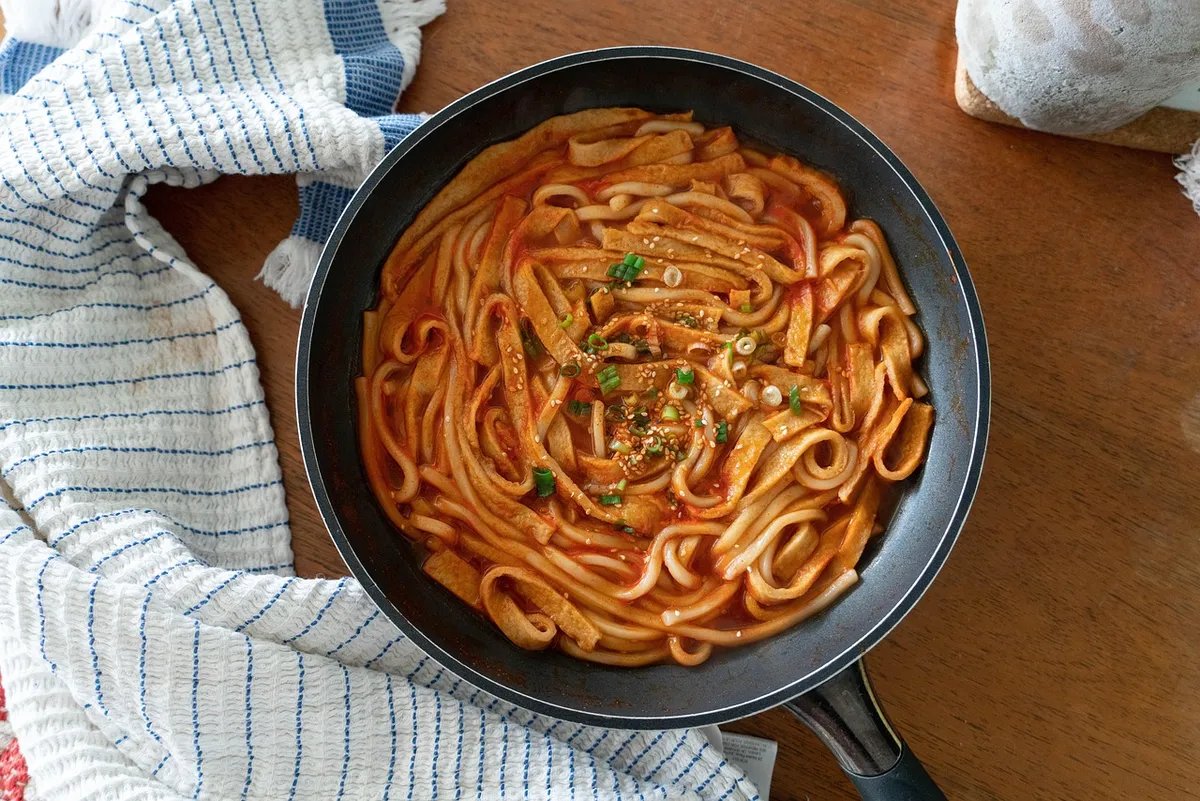
At the crowded kitchen table during sunset, we watched the steam rise from a bowl of tteokbokki as our family's appetite for meat began to grow.
A family sits around a table, noticing the changing proportions of food on their plates over the decades. Dietary patterns changed as global and local economies shifted the way people ate. For instance, per-capita consumption of meat was 3.6 kg in 1961 and 11 kg by 1979.
These shifts represent a transition from grain-centric diets to more diverse protein sources. Meat eating continued to rise, reaching 40 kg in 1997, with fish consumption at 49.5 kg in 1998. As these proteins became more prevalent, the role of traditional staples like rice began to change.
The transition of ingredients reflects the changing availability and economic status of different populations. Rice consumption continually decreased through these years, from 128 kg consumed per person in 1985 to 106 kg in 1995 and 83 kg in 2003.
This decline in rice usage illustrates the evolving nutritional landscape.
According to World Bank, the 2024 record includes 41.7%.
How does land use relate to food origins?
An empty field stretches toward the horizon, waiting for the next season of planting. The availability of ingredients is often tied to the amount of land available for cultivation. According to World Bank data, China recorded agricultural land share of 41.7% in 2024.
Such land use figures provide context for how much food a region can produce for its people. When agricultural capacity changes, the types of crops and livestock available to the population change as well. This directly impacts the variety of dishes that can be prepared.
Understanding the origin of Tteokbokki involves recognizing these environmental and agricultural constraints. The ability to produce enough grain or meat dictates the ingredients available for traditional recipes. These foundational elements shaped the flavors we recognize today.
| Metric | Historical Value | Later Value |
|---|---|---|
| Per-capita meat consumption | 3.6 kg (1961) | 40 kg (1997) |
| Rice consumption per person | 128 kg (1985) | 83 kg (2003) |
I noticed how the comparison between these figures highlights the massive shift in human nutrition.
What role did ritual foods play?
A priest carefully prepares an offering, ensuring every element meets the requirements of the ceremony. In many cultures, specific foods are designated for sacred or ceremonial purposes rather than daily meals.
These ritualized foods often utilized the best available ingredients, preserving specific culinary techniques. Such traditions helped maintain the identity of certain dishes over long periods.
This careful handling of food ensured that the spiritual needs of the community were met through specific ingredients.
The intersection of ritual and daily life often creates the groundwork for popular dishes. While many modern foods are casual, their ingredients often stem from these highly regulated ceremonial practices. This history shows how much thought went into every preparation.
How did salt and preservation affect recipes?
A cook sprinkles salt over freshly prepared vegetables to ensure they stay preserved for the coming weeks. Before modern refrigeration, salt was a vital tool for food longevity. Napa cabbage is prepared with much salt and approximately 20% of sodium intake comes from kimchi.
This reliance on salt and fermentation allowed communities to store food and create unique flavor profiles. The processes used to preserve vegetables became central to the culinary identity of entire regions. These methods turned simple ingredients into complex, flavorful staples.
The history of food is often a history of survival and preservation. As societies moved through different eras, these techniques evolved but remained fundamental to the kitchen. This constant interplay between necessity and taste defines much of our food culture.
- How did royal food management work?
- What were the shifts in dietary habits?
- How does land use relate to food origins?
The same subject is also called History of Tteokbokki.
The same subject is also called Tteokbokki roots.
The same subject is also called Tteokbokki origins.
The same subject is also called Ancient Tteokbokki.
This part also covers Tteokbokki and Chinese food.
This part also covers Food history of Tteokbokki.
Tteokbokki and Chinese food
Related

Comments 0