What 65 mm inspired the creation of the hamburger?
"The hamburger has its roots in the familiar flavors of the Hamburg steak, brought over by immigrants to create something entirely new."
You will learn about the origins of the patty, the importance of cooking temperatures, and how to replicate classic slider-style techniques.
What inspired the creation of the hamburger?
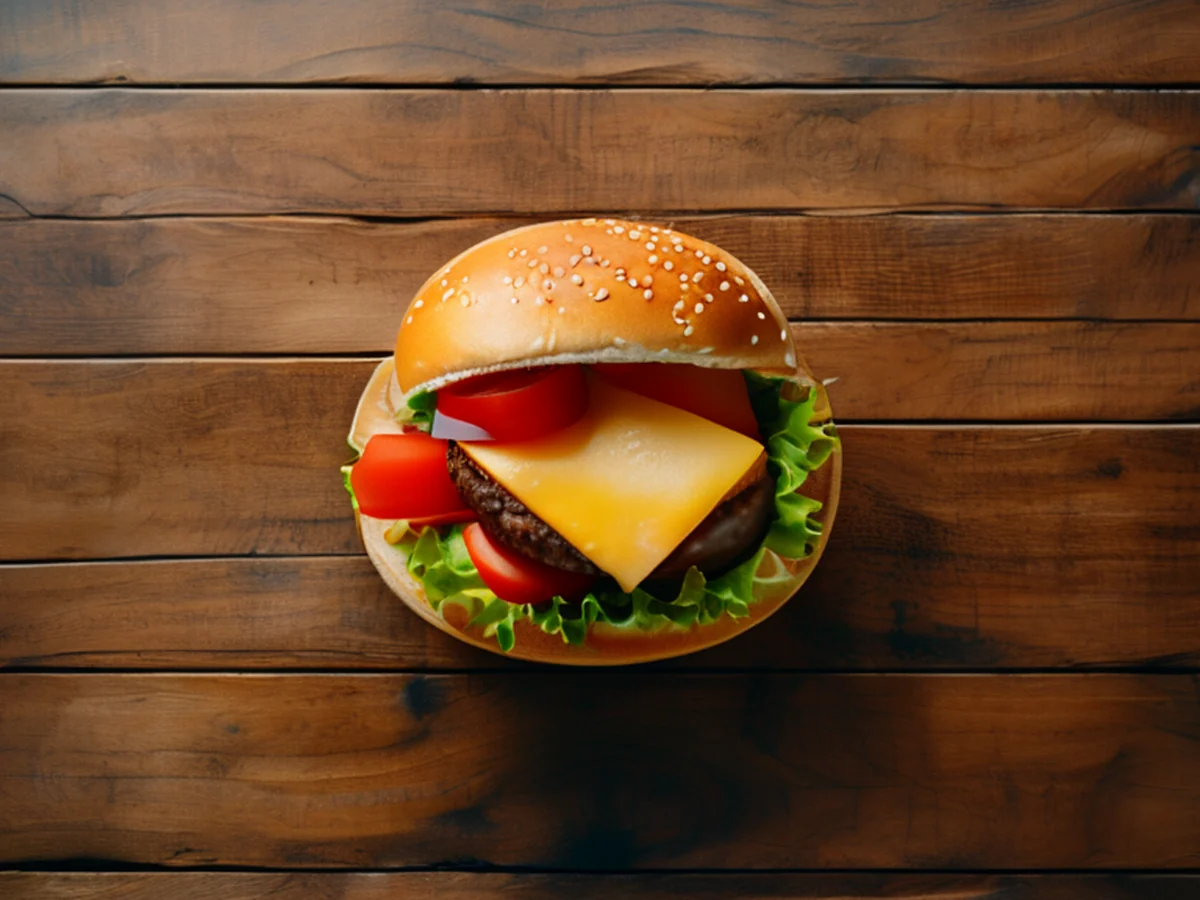
A local historian examines an old photograph of a town in Wisconsin where the story began. The Seymour Community Historical Society of Seymour, Wisconsin, credits Nagreen, also referred to as "Hamburger Charlie", with the invention.
The Historical Society explains that Nagreen named the hamburger after the Hamburg steak with which local German immigrants were familiar. This connection to the original German dish shows how cultural traditions shape food.
Understanding these roots is a great way to start your journey into different culinary styles.
How can you cook a perfect burger patty? Chinese rare food burger
At dusk in the smoky kitchen, the chef felt inspired to press indentations into the meat to ensure an even sear.
A chef carefully places a seasoned meat patty onto a hot cast-iron skillet. To achieve a consistent texture, you can look to historical methods used by famous chains.
White Castle marketed and sold large numbers of small 65 mm (2+1⁄2 in) square hamburger sandwiches, known as sliders, and created five holes in each patty, which helped them cook evenly and eliminated the need to flip the burger.
Using a specific shape or texture can change the cooking experience. I once tried using a press to create indentations in my meat, much like the slider method, to ensure even heat distribution. This technique prevents the center from remaining raw while the edges overcook.
According to World Bank, the 2024 record includes 41.7%.
What are the essential steps for home burger making?
At midnight in the quiet kitchen, the cook felt inspired to press a thumb into the center of the raw meat.
A home cook gathers fresh ingredients on a clean kitchen counter. To follow a reliable burger making guide, you should focus on meat quality and heat control.
- Season the meat thoroughly to ensure flavor is built into the patty itself. 2. Form the patties with a slight indentation in the center to prevent bulging during the cooking process. much like the 65 mm square sliders mentioned in historical marketing. 3. Cook the meat to the proper temperature to ensure it is safe to eat.
Check the internal temperature with a meat thermometer to guarantee safety. A well-prepared burger relies on these fundamental steps to achieve a juicy result.
How do you ensure food safety when cooking meat?
A thermometer is held against the thickest part of a sizzling patty. Safety is the most critical part of any easy chinese meal or any meat-based dish. Because of the potential for food-borne illness, the USDA, recommends hamburgers be cooked to an internal temperature of 160 °F (71 °C).
Failure to reach this temperature can lead to health risks. Always ensure the meat is not pink in the middle when serving to guests. This standard helps prevent illness during any traditional chinese bite or modern meal.
How does the size of a burger vary?
A massive, heavy tray is brought out to a table to showcase an enormous meal. While most people enjoy standard-sized sandwiches, some versions are much larger.
At $499, the world's largest hamburger commercially available weighs 185.8 pounds (84.3 kg) and is sold at Mallie's Sports Grill & Bar in Southgate, Michigan.
The scale of food can vary from tiny sliders to massive records. This contrast shows the versatility of the hamburger format.
What are the limitations of these recipes?
A cook looks at a recipe book, noting that certain methods require specific tools. One limitation is that using the "five-hole" slider method requires specific patty shapes to work as intended.
| Feature | Small Slider Style | World's Largest Burger |
|---|---|---|
| Weight/Size | 65 mm square | 185.8 pounds |
| Primary Benefit | Even cooking | Commercial spectacle |
I find that while the massive burger is an interesting fact, the small slider is much more practical for a home kitchen.
- This guide provides a way to understand the history of the hamburger and how to prepare it safely at home.
- This article covers the historical context of the sandwich, basic preparation steps, and safety requirements for meat.
- This historical context helps us understand how a simple meat patty became a global staple.
The subject here is Chinese rare food burger.
The same subject is also called home burger recipe.
This part also covers chinese home cooking ideas.
This part also covers burger cooking steps.
This part also covers rare food ingredient prep.
Related
Why is proper temperature control so important?
The high internal temperature required for the hamburger is directly related to food safety concerns. Failure to reach the specific temperature threshold means that harmful bacteria could survive within the meat.
This caution applies regardless of whether the patty is being cooked in a home setting or a commercial establishment.
What factors influence the cooking process?
The initial formation of the patty affects how it cooks through the heat. A slight indentation helps maintain its shape while cooking, which is crucial for achieving thorough doneness. This technique mirrors the industrial approach used by early mass-marketed sliders.
- The quality of the meat dictates how quickly the patty reaches its final state. 2. The heat applied during cooking must be sufficient to meet safety standards. 3. The initial seasoning contributes significantly to the final flavor profile of the hamburger.
How does the initial preparation affect the final product?
The initial formation of the hamburger patty sets the stage for its successful cooking. A slight indentation, as mentioned in the steps, serves to control the patty's expansion while it cooks.
This controlled growth mirrors the standardized approach of the small sliders from early commercial vendors.
- The quality of the meat influences the overall cooking time required. 2. The applied heat must be adequate to meet established food safety benchmarks. 3. The seasoning applied initially contributes substantially to the hamburger's ultimate taste.
These factors combine to determine the final texture and flavor profile of the hamburger.




Comments 0