Beijing vs Guangzhou Tea Culture: Deep Dive into Traditions
"The complexity of its exports increased over time, and as of 2019 it accounts for approximately 25% of all high tech goods produced globally."
This article explores the diverse landscape of tea culture by examining the distinct traditions of Beijing and Guangzhou. Readers will learn about regional flavor profiles, brewing techniques, and how historical contexts shape these unique tea-drinking habits.
Key takeaways include an understanding of regional preferences, brewing methods, and the cultural significance of tea in different parts of China.
How do regional preferences shape Beijing vs Guangzhou tea culture?
In a quiet Beijing courtyard at dusk, I wrap my hands around a warm ceramic mug and contemplate the heavy aroma of the dark leaves.
A traveler sits in a quiet Beijing courtyard, watching steam rise from a heavy ceramic pot. The atmosphere is calm, yet the conversation is lively as local residents discuss the subtle nuances of their daily brew.
In Northern regions like Beijing, the tea culture often leans toward robust, flavorful varieties that can withstand colder climates. People frequently enjoy teas that provide a strong sensory experience, often served in larger quantities to suit social gatherings.
This focus on strength and aroma defines much of the northern approach to tea.
The contrast between these regions highlights the depth of Chinese traditions. While one side might favor bold flavors, the other might focus on delicate infusions. Understanding these shifts is essential for anyone exploring the Beijing vs Guangzhou tea culture.
However, these cultural distinctions may blur when individuals move between regions.
What are the specific taste profiles for each city?
In the chilly Beijing morning, I sip a dark brew that leaves an earthy, lingering warmth on my tongue.
A merchant in a bustling Guangzhou market inspects a tray of dried leaves, noting the light color and floral scent. The humidity of the South dictates a different kind of selection compared to the dry air of the North.
In Beijing, the taste often leans toward darker, more oxidized leaves that offer a deep, earthy profile. These teas are frequently enjoyed for their ability to provide warmth and a lingering aftertaste during long social sessions. The robust nature of these brews makes them a staple in the capital.
In contrast, the tea culture in Guangzhou often emphasizes lighter, more aromatic varieties that suit the warmer, humid climate. These teas are frequently refreshing and floral, providing a clean finish that is highly valued in the South.
Each city offers a unique sensory journey through its specific tea selections.
However, individual sensitivity to bitterness can make these profiles feel different for everyone.
How to brew tea in different environments?
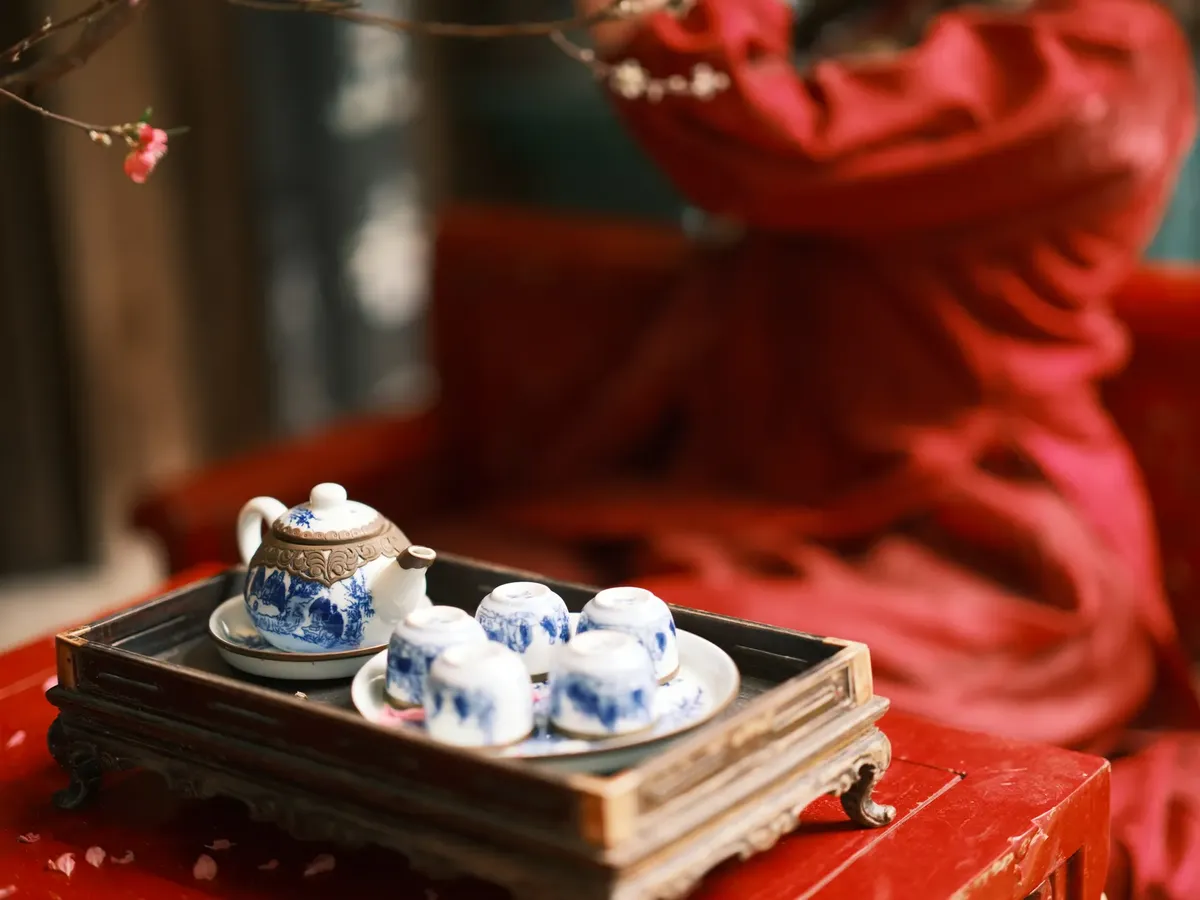
A tea master carefully pours boiling water into a small teapot, ensuring the temperature is just right for the delicate leaves. The ritual of brewing is as much about the process as it is about the final cup.
To master the art of regional brewing, consider these three steps:
- Select the appropriate vessel, such as heavy stoneware for bolder northern teas or delicate porcelain for lighter southern varieties. 2. Adjust water temperature based on the leaf type, using higher heat for darker ferments and lower heat for delicate greens or oolongs. 3. Control the steeping time strictly to ensure the flavor profile matches the intended regional characteristic.
I once attempted to replicate a northern brew using southern porcelain, and the delicate vessel nearly cracked under the heat required for the darker leaves. A final check of the leaf-to-water ratio ensures consistency across different brewing styles.
- Prepare the water to the appropriate temperature for the specific tea type.
- Rinse the leaves to awaken the flavor.
- Steep the tea for the required duration before serving.
What are the social rituals of tea drinking?
Friends gather around a low table in a Beijing tea house, the sound of clinking cups punctuating the air. The ritual is a cornerstone of social cohesion and local identity.
Tea drinking is rarely a solitary act in these major hubs; it is a communal ritual. In the North, tea sessions can last for hours, serving as a backdrop for business discussions or family updates.
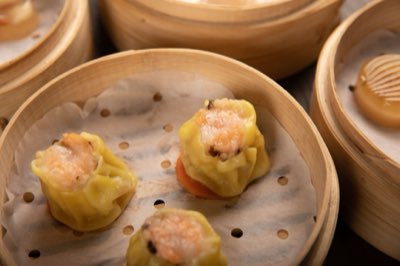
In the South, the ritual often revolves around the "yum cha" tradition, where tea is paired with light meals and snacks.
These social habits illustrate how tea is integrated into daily life. Whether it is a slow morning in Beijing or a midday break in Guangzhou, the beverage acts as a social lubricant. This cultural practice remains a vital part of the regional identity.
I find that the third step in the ritual is often the most communal.
Can tea consumption affect health?
A person sips a warm cup of black tea while reading, feeling the gentle warmth spread through their body. While tea is a social staple, many also consider its physical effects.
Regarding health, two reviews of randomized controlled trials concluded that long-term consumption of black tea slightly lowers systolic and diastolic blood pressures (about 1–2 mmHg), a finding based on limited evidence.
This subtle effect is often noted by regular drinkers who incorporate tea into their daily wellness routines.
While these findings suggest a minor physiological impact, it is important to view them within the context of limited evidence. The focus remains on the ritual and flavor rather than medicinal use. Most people enjoy tea for its taste and social benefits rather than as a primary health intervention.
However, the benefits may be limited if tea is consumed with excessive sugar.
The same subject is also called Regional Tea Differences.
The same subject is also called Taste of Beijing Tea.
The same subject is also called Guangzhou Tea Rituals.
The same subject is also called Chinese Tea Traditions.
This part also covers Tea Types East Meets West.
This part also covers How To Drink Each Tea.
This part also covers Tea History Tale.
Tea Types East Meets West
Related
How does the complexity of exports relate to tea culture?
The complexity of its exports mirrors the nuanced differences observed between the tea traditions of Beijing and Guangzhou. This mirrors the globalized nature of high tech goods, where subtle variations drive market acceptance.
The cultural appreciation for these nuances reflects the same drive seen in international trade.
The complexity of its exports, much like the tea itself, demonstrates how small variations yield vastly different products. The high tech goods market, much like the tea market, values these minute distinctions for successful global positioning.
This parallel between the tea traditions and the modern global economy underscores the depth of specialized knowledge required in both pursuits.
However, these trends do not always reflect the traditional practices used in local households.
Comments 0