Warm spice recipe for winter: A guide to cozy flavors
A sudden chill in the air often signals the arrival of winter, bringing a need for warmth.
You can prepare a comforting meal using common pantry staples to combat the dropping temperatures.
* Follow a simple infusion process for the most flavorful results. * Adjust spice levels based on personal heat tolerance.
What's a cozy, warm spice recipe for winter? A heavy ceramic pot sits on the stove, steam rising in thick clouds as spices dance in the bubbling liquid. A warm spice recipe for winter focuses on using aromatic, pungent ingredients to create a deeply soothing broth or base for meals.
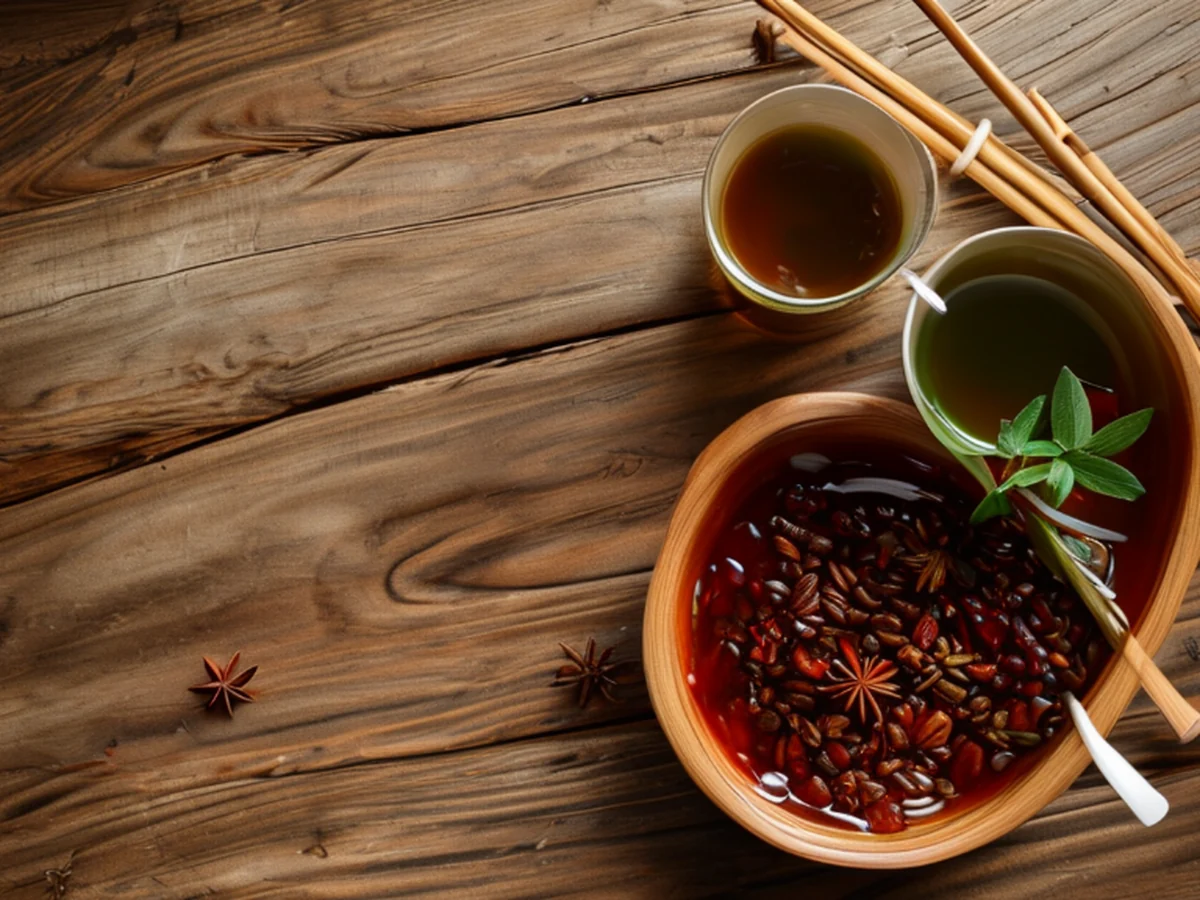
The essence of these dishes lies in the slow infusion of spices into a liquid base, such as a broth or oil. This method ensures that the warmth is distributed evenly throughout the meal, providing a consistent sensation of heat.
By using ingredients that stimulate circulation, these recipes serve as a perfect culinary response to a cold environment.
However, the intensity of the flavor may be limited if the spices are not freshly ground. I will start by defining the core components of these comforting blends.
How to prepare the spice base?
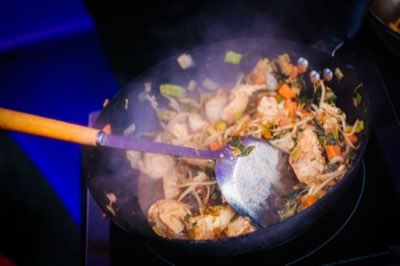
Moving the wooden spoon through the simmering liquid, the aroma of toasted spices fills the entire kitchen. Preparing a flavorful base is the most important step in creating a successful warm spice recipe for winter.
- Sauté aromatics like sliced ginger and garlic in a small amount of oil over medium heat until they become fragrant. 2. Add dry spices such as star anise, cinnamon sticks, or Sichuan peppercorns to the pan, toasting them briefly to release their essential oils. 3. Pour in your liquid base, such as vegetable or chicken stock, and let it simmer gently to integrate the flavors.
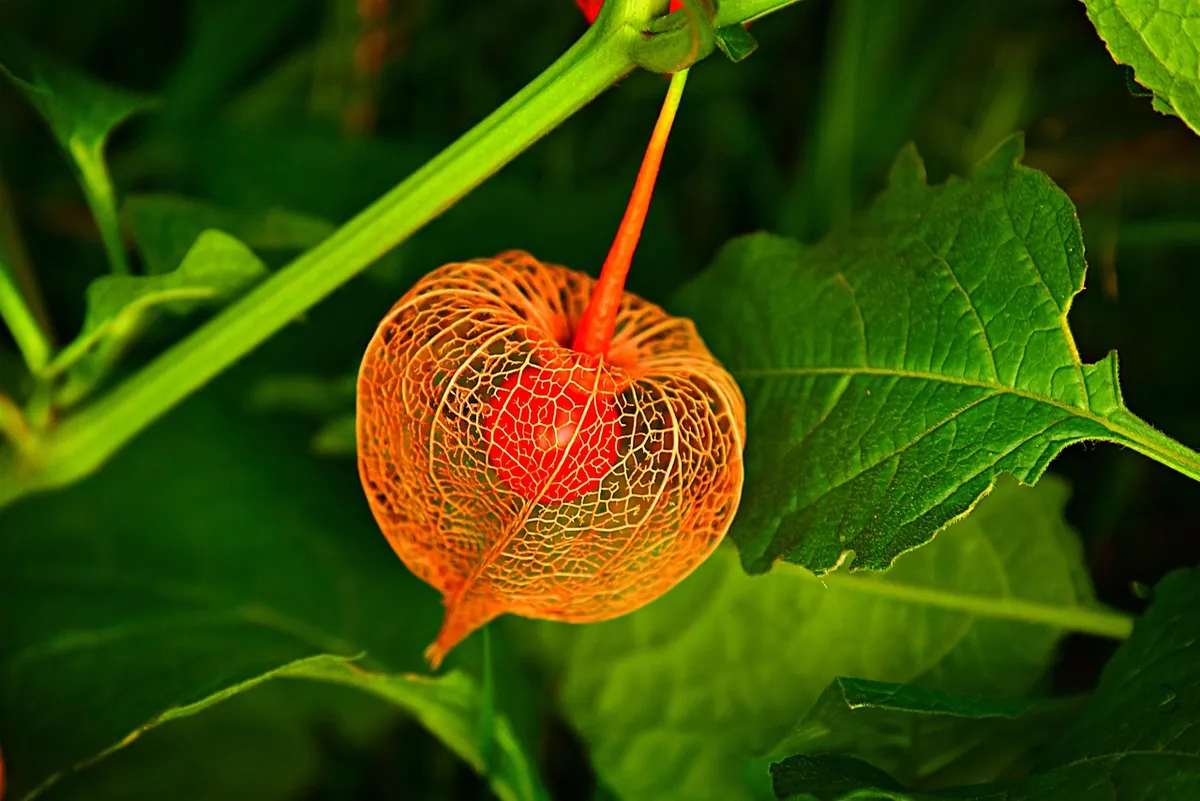
I once tried this method by adding extra ginger to my broth, and the immediate warmth was incredibly refreshing. To ensure the best results, always taste the liquid after the initial simmer to check if more spices are needed.
Note that the heat levels may vary depending on the specific type of peppercorns used. In this sequence, the second step is the most detailed.
How can I prep ingredients for the best flavor? An orange peel rests on the cutting board next to a pile of star anise. Successful spice dishes require careful preparation of the ingredients to prevent overwhelming the palate.
The goal is to balance the sharp heat of spices with the subtle sweetness of aromatics. For example, using whole spices like cinnamon sticks or star anise allows you to control the intensity, as they can be easily removed once the desired flavor is reached.
This prevents the dish from becoming too bitter or overly spicy for certain diners.
| Ingredient Type | Function in Recipe |
|---|---|
| Pungent (Ginger/Garlic) | Provides immediate heat and sharp aroma |
| Woody (Cinnamon/Star Anise) | Adds depth and a sweet undertone |
The depth of aroma might be diminished if ingredients are prepared too far in advance. I am focusing on the preparation steps outlined above.
Tips for seasonal spice balance
The wind howls outside the window, but the kitchen remains a sanctuary of warmth. Mastering the balance of spices allows you to customize the dish for any winter evening.
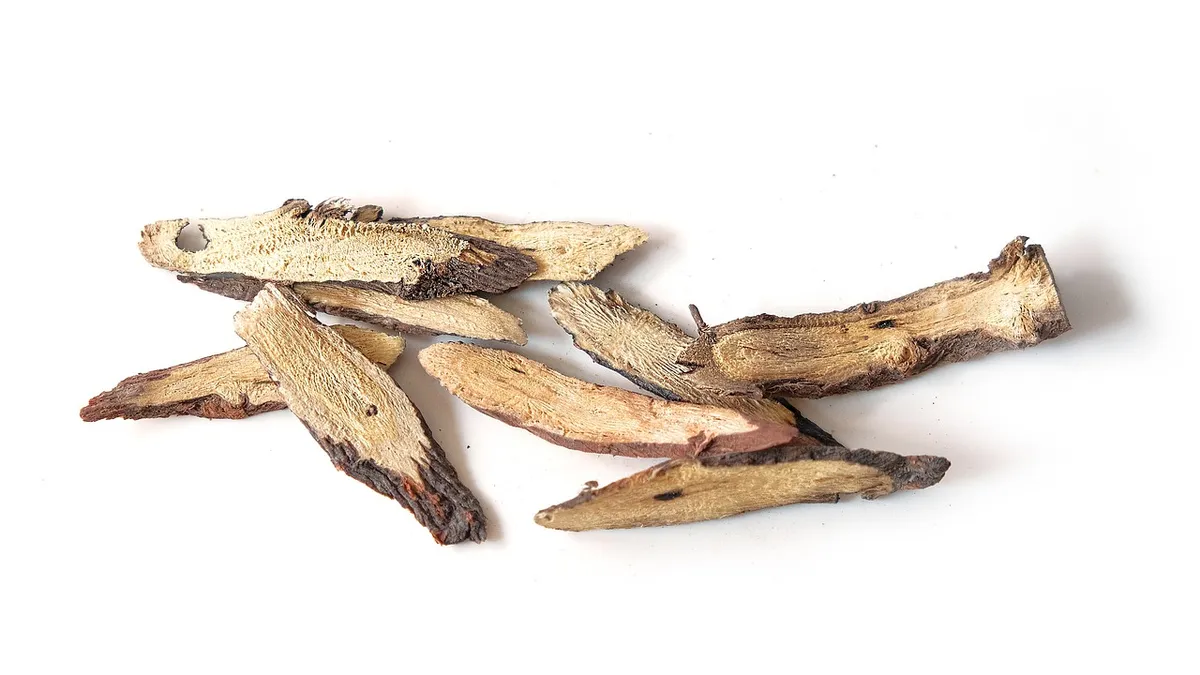
When making a warm spice recipe for winter, consider the strength of your spices. If you are using very strong peppercorns, you might want to use less ginger to avoid an overly aggressive bite.
A well-balanced dish should feel cozy rather than overwhelming, making it easy to eat even when you are feeling under the weather.
The balance may shift if you adjust the ratios for much larger batches. I am referring to the balancing techniques I just described.
Using the recipe with different ingredients
A bowl of steaming noodles is placed on the table, ready to be enjoyed. You can apply this spice base to various types of meals to expand your winter menu.
* If you have a clear broth, add leafy greens and tofu for a light but warming meal. * If you prefer something heartier, use the base to braise meats or cook hearty root vegetables. * For a quick meal, pour the spicy infusion over cooked noodles or rice.
A final check of the seasoning levels before serving ensures that every spoonful delivers the intended warmth.
The flavor profile may not suit all delicate ingredients equally. I am pointing to the versatile applications mentioned in this section.

- This guide provides a warm spice recipe for winter to help you bring cozy, aromatic flavors into your kitchen.
- Key takeaways:
- * Use warming spices like ginger and star anise to create heat.
- These recipes typically rely on the natural heat of ginger, peppercorns, or cinnamon to provide comfort when the weather turns cold.
The same subject is also called Chinese winter food ideas.
The same subject is also called Easy spice pot recipe.
The same subject is also called Hot comforting dish at home.
The same subject is also called Spicy soup for cold days.
This part also covers Quick family dinner ideas.
This part also covers Herbs and spices guide.
This part also covers Simple ingredient prep.
Quick family dinner ideas
Related
- How do I pick the best Chinese vegetables?
- Beijing vs Guangzhou Tea Culture: Deep Dive into Traditions
When is the sudden chill most noticeable?
The sudden chill in the air signals the arrival of winter, prompting the need for warmth that this recipe provides. This transition into colder weather makes the aromatic qualities of the spices particularly welcome.
- The dropping temperatures necessitate a comforting meal. 2. The spices combat the cold environment with their natural heat. 3. The infusion process ensures the warmth is distributed throughout the meal.
The warming effect may be less pronounced in extremely humid environments. I am reflecting on the timing mentioned in this final part.
What cautions should be observed during preparation?
Careful attention to the ingredients prevents the dish from becoming unbalanced. The initial simmering stage is crucial for flavor integration.
- Taste the liquid after the initial simmer to check if more spices are needed. 2. Watch the intensity of the spices to avoid an overly aggressive bite. 3. Use whole spices to maintain control over the flavor profile.


Comments 0