Patience Pays Off: The Art of Slow-Simmered Chinese Dishes
"Patience is the most important ingredient in a kitchen that values soul over speed."
In a world of instant gratification, the most profound flavors in Chinese home cooking aren't found in a flash-fry or a quick stir-fry, but in the quiet hours of a simmering pot or the gentle rise of steam.
* Slow cooking is a philosophy of respect for the ingredient's natural essence. * Steaming preserves purity through gentle, consistent heat transfer. * Braising builds complex umami through liquid reduction and layered aromatics. * Regional diversity dictates whether a slow-cooked dish is light and clean or dark and robust.
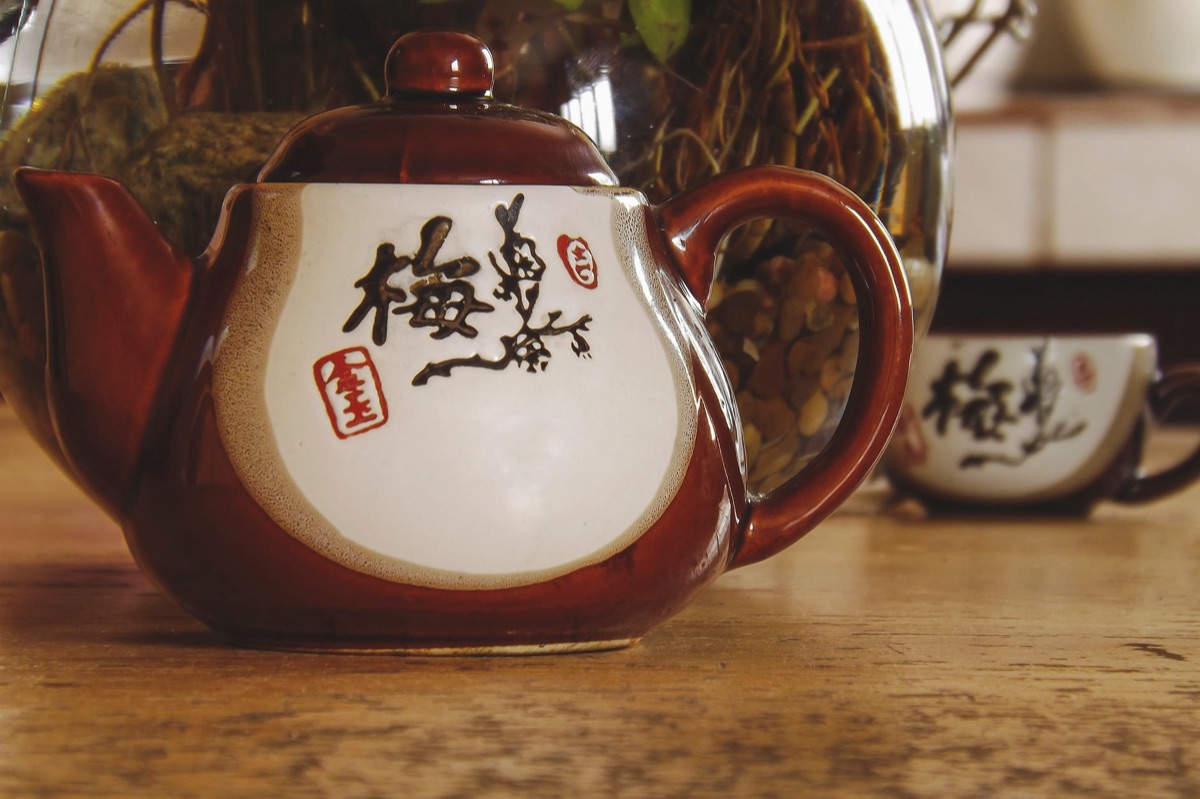
Why does patience pay off in the kitchen?
The kitchen clock in a traditional home doesn't just track time; it tracks the transformation of texture. In a busy professional kitchen in 2025, a chef might rely on the violent heat of a wok to sear meat in seconds, but at a family dinner table, the goal is often a different kind of satisfaction.
It is the feeling of meat that falls apart at the mere suggestion of a chopstick, or a vegetable that has absorbed the soul of its broth.
This isn't just about making food soft; it is about the virtue of time. In many Western culinary traditions, heat is often used to transform an ingredient into something entirely new.
In contrast, much of Chinese slow-cooking focuses on "honesty." The goal is to use heat to coax out the hidden sweetness of a radish or the deep richness of a pork belly without masking it under heavy coatings.
Culturally, these dishes represent the transition from the frantic energy of the workday to the communal stability of the family meal.
A braised dish often starts in the morning or afternoon, simmering away while the family goes about its business, only to reach its peak exactly when the table is set. This slow approach allows for a level of flavor depth that high-heat methods simply cannot replicate.
Whether it is the light, elegant steaming of the South or the hearty, heavy braises of the North, the common thread is the intentional use of time to achieve harmony. But how do you master the delicate balance of moisture without losing flavor?
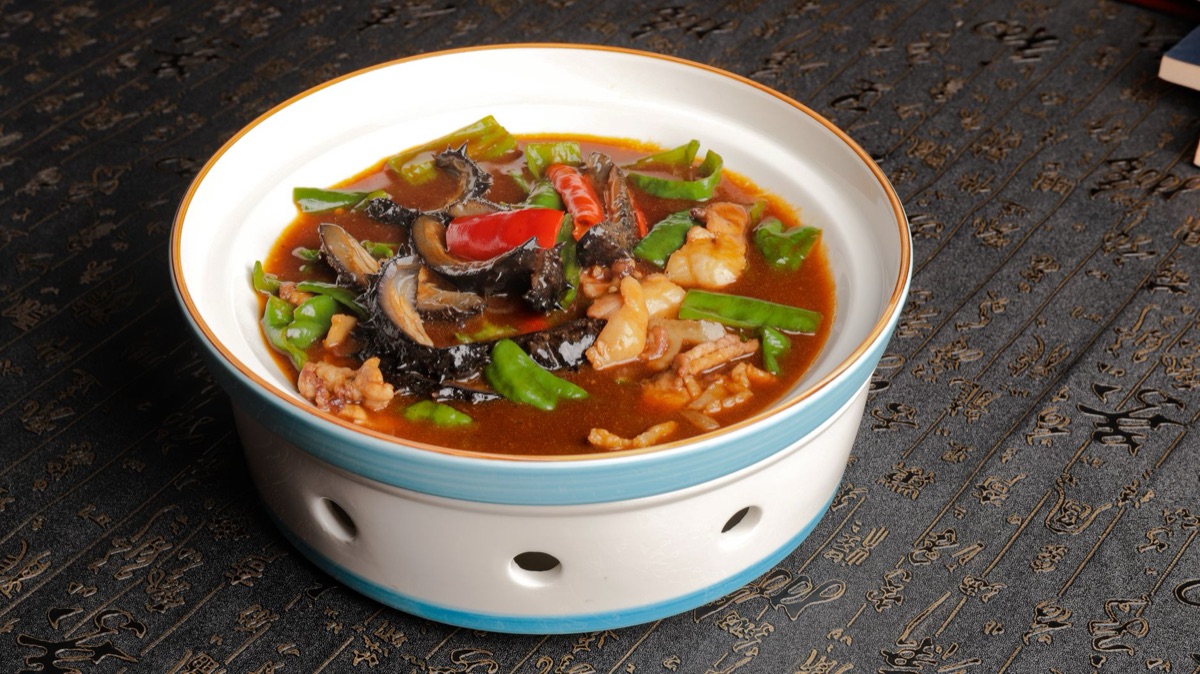
How do you master the art of steaming?
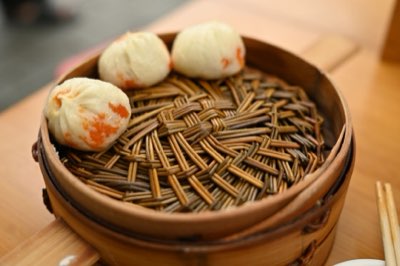
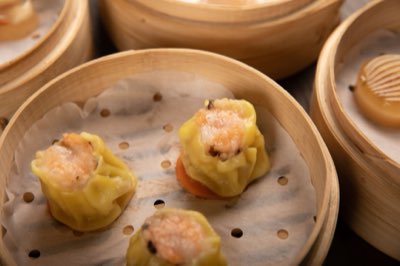
The steam rises in a thick, white cloud, obscuring the bamboo basket as the lid is lifted. The scent that escapes is pure, concentrated, and unmistakable. In the kitchen, this is the moment of truth.
Steaming is a method of heat transfer that relies on the energy of water vapor. Unlike an oven, which is a hollow device that can reach temperatures up to 500 °F (260 °C) and is used for baking through dry heat, steaming provides a moist, ambient heat.
This prevents the surface of delicate proteins from drying out before the center is cooked. In a steamer, the heat is consistent and gentle, making it the perfect medium for ingredients that are naturally high in water content.
To master steaming, one must understand the balance of timing. If you steam a whole fish too long, it becomes rubbery; too short, and the center remains raw.
The trick lies in the "infusion." Often, aromatics like ginger slices, scallion whites, or a splash of seasoned soy sauce are placed directly on the food. As the steam penetrates the ingredient, it carries these aromatics deep into the fibers.
The result is a dish that tastes clean, bright, and incredibly tender, making it the gold standard for celebrating fresh seafood. However, while steaming is about purity, there is another side to the coin that involves much more intensity.
What is the alchemy of braising?
The heavy lid of a ceramic pot is lifted, and a thick, dark sauce bubbles at the edges. The aroma is heavy, sweet, and savory, filling the entire house with a sense of warmth.
Braising is the polar opposite of steaming in terms of visual intensity, but it shares a similar soul of patience. While steaming is about purity, braising is about alchemy.
It typically involves searing meat to trigger the Maillard reaction—the chemical reaction between amino acids and reducing sugars that gives browned food its distinctive flavor—and then simmering it slowly in a flavorful liquid.
The secret to a successful braise is the liquid balance. You aren't making a soup, nor are you making a dry roast. The goal is a perfect reduction where the sauce becomes a thick, glaze-like coating that clings to the meat.
This is achieved through sequential layering: first, the aromatics are bloomed in oil; then the protein is browned; finally, the liquids (often a mix of soy sauce, rice wine, and sugar) are added to simmer.
This slow reduction concentrates the flavors, turning humble cuts of meat into something luxurious. It is a transformative process where toughness is traded for silkiness. But why does the flavor profile change so drastically depending on where you travel?
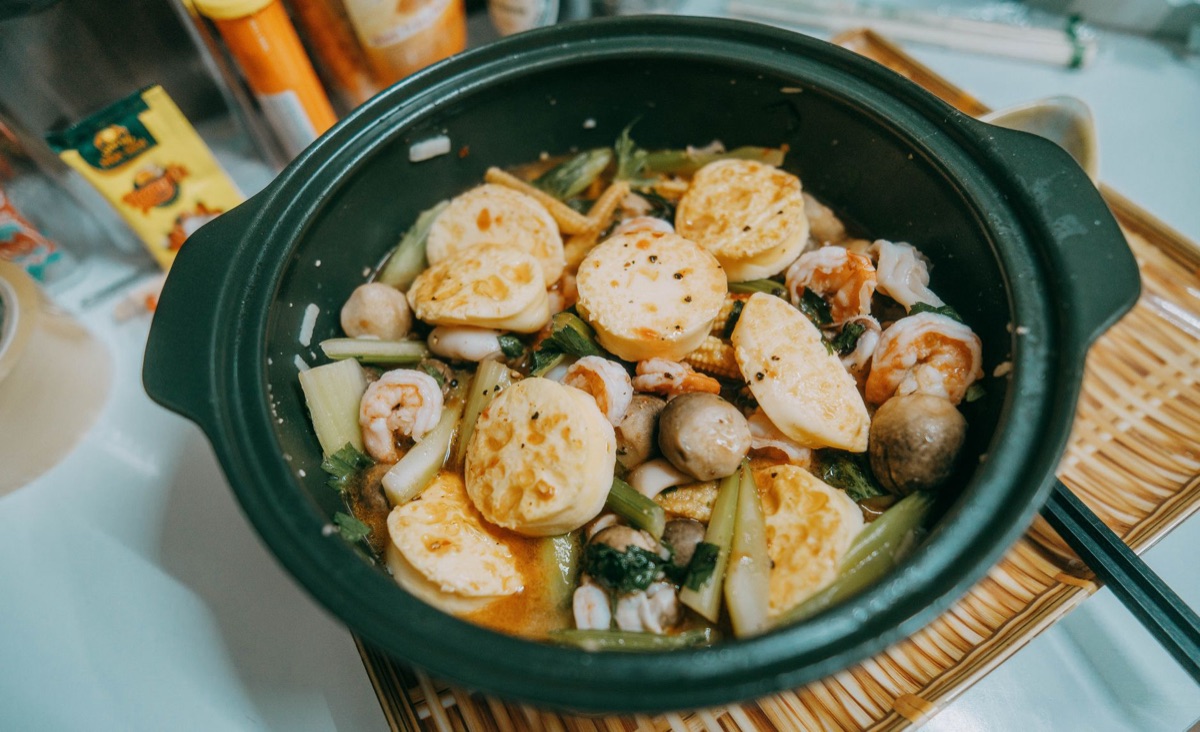
Why do regional variations matter so much?
Walking through a wet market in Guangzhou in the summer of 2026 feels entirely different from walking through a food stall in Harbin during a freezing winter. The way people approach slow cooking changes as you move across the map.
In the coastal provinces of the South, steaming is king. The focus is on the "freshness" of the catch. A steamed sea bass in Canton is treated with a light touch, using minimal seasoning to let the natural sweetness of the fish shine.
In these regions, the slow-cooked dishes are often lighter, utilizing clear broths and delicate aromatics.
Move toward the North or the inland provinces, and the flavor profiles shift toward the robust and the heavy. In regions like Sichuan or Dongbei, braising often involves much bolder ingredients—star anise, cinnamon, dried chilies, or fermented bean pastes.
Here, the slow-cooked dishes are meant to be hearty, often served with rice or noodles to soak up the intense, concentrated sauces.
The "secret touch" in the North might be a heavy dose of vinegar or a specific type of fermented paste, while the South relies on the quality of the water and the freshness of the produce.
When I first attempted to replicate a Northern braise in my own kitchen, I realized that the sheer weight of the spices required a much longer simmering time than the light steaming I was used to. But how do you actually bring these professional-grade flavors into a home kitchen?
How can you replicate this depth at home?
To bring these flavors into your own home, you don't need professional equipment, but you do need the right mindset and a few specific tools.
| Feature | Steaming (Zheng) | Braising (Hongshao) |
|---|---|---|
| Primary Goal | Purity and tenderness | Richness and color |
| Heat Type | Moist, ambient heat | Simmering liquid heat |
| Key Ingredient | Fresh seafood, delicate veg | Tougher meats, root vegetables |
| Flavor Profile | Light, clean, aromatic | Deep, savory, umami-rich |
Essential Tools and Tips 1. Choose the Right Vessel: For steaming, a bamboo steamer is excellent for airflow, but a metal steamer insert works perfectly for heavy proteins. For braising, use a heavy-bottomed pot (like a Dutch oven or a ceramic clay pot) to ensure even heat distribution and prevent the sauce from burning during long reduction periods. 2. Control the Heat: In steaming, ensure your water is already boiling before placing the food in the basket to maintain a consistent temperature. In braising, once the liquid reaches a boil, immediately drop it to a very low simmer. A rolling boil will toughen meat rather than tenderize it. 3. Layer the Aromatics: Never skip the base. In steaming, aromatics go *under* or *on* the food. In braising, aromatics are often sautéed *before* the liquid is added to build a foundation of flavor. 4. The Resting Period: Just as with a steak, let your braised dishes sit for a few minutes after the heat is turned off. This allows the fibers of the meat to relax and reabsorb some of the flavorful juices.
A Note on Limitations While these methods are versatile, they are not universal. Steaming is not suitable for tough, fibrous cuts of meat that require long-term breakdown, and heavy braising can easily overwhelm delicate ingredients like shrimp or leafy greens. Always match the technique to the structural integrity of your ingredient.
#


Comments 0