Chinese Street Food: A Taste of Tradition in Every Bite
"To eat is to live, but to eat on the street is to truly meet the soul of a city."
If you find yourself wandering through a bustling night market in Chengdu or a narrow alleyway in Beijing, you aren't just looking for a meal; you are looking for a sensory explosion.
Street food in China is not a monolith of greasy snacks, but a vast, breathing map of history, geography, and local pride.
* Chinese street food offers a massive, regionally diverse microcosm of the country's culinary heritage. * The experience ranges from quick, spicy skewers to complex, sugar-coated seasonal treats. * Authenticity is found in understanding the specific timing and local context of each snack. * You can recreate these bold flavors at home with simple, targeted techniques.
Why is Chinese Street Food So Diverse?
The sun sets over a crowded plaza in Xi'an, and the smell of cumin and charcoal smoke begins to drift through the air. I stood there, watching a vendor flip skewers with rhythmic precision, realizing that this wasn't just dinner—it was a performance.
The sheer variety of these flavors comes from China's immense geography. In the north, you find hearty, wheat-based snacks designed to fuel workers through cold winters, while the south offers lighter, often sweeter or more herb-forward bites.
This creates a spectrum ranging from heavy, deep-fried pastries to light, refreshing fruit skewers.
The distinction often lies between "quick-service" snacks meant to be eaten while walking and more substantial, slow-cooked items that represent a regional staple.
For example, the fiery, numbing spices of Sichuan-style skewers contrast sharply with the delicate, sweet profiles of Beijing's seasonal treats.
This diversity is part of a global phenomenon; according to a 2007 study from the Food and Agriculture Organization, 2.5 billion people eat street food every day.
While the scale of global street food is massive, the local nuances are what make it personal. Whether it is a quick bite between meetings or a late-night ritual, these foods define the rhythm of urban life.
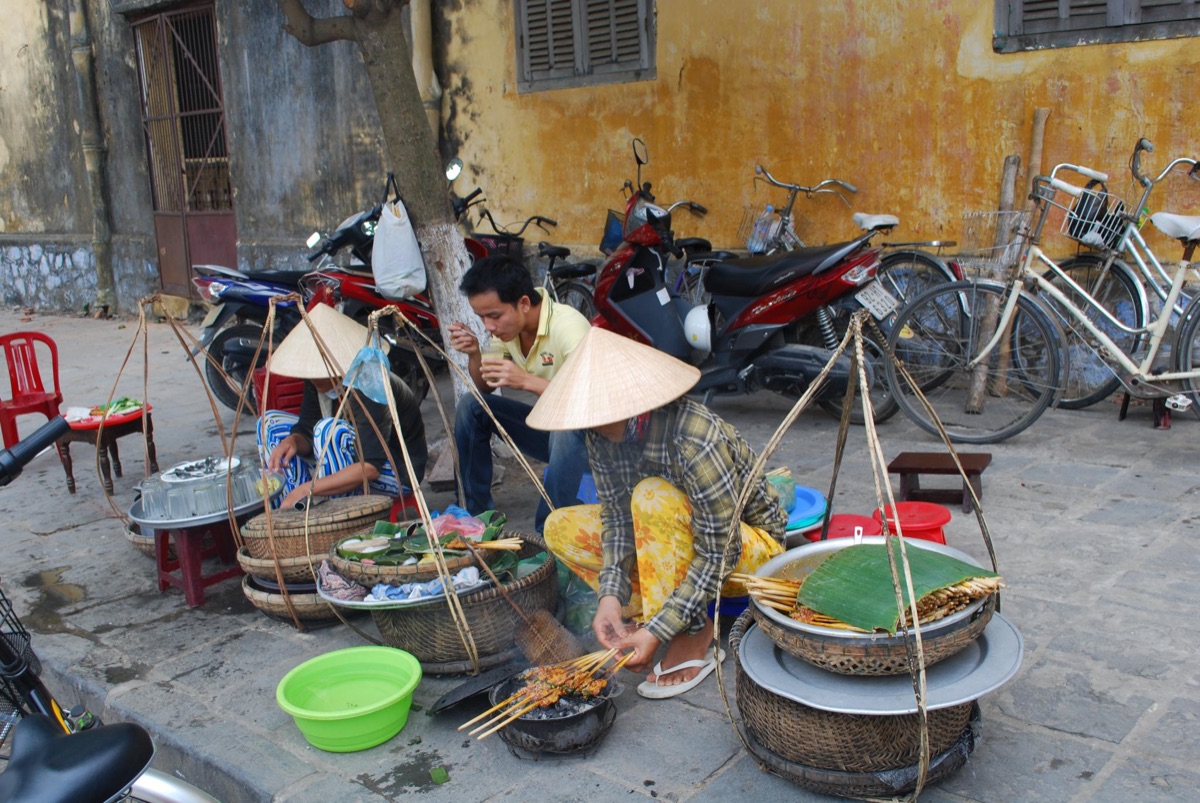
What are the must-try street food staples? A vendor pulls a long metal skewer from a bed of glowing coals, the meat sizzling as it hits a dusting of red chili flakes. The steam rises in a thick cloud, momentarily obscchanting the neon lights of the street.
Skewers (Chuan'r) are perhaps the most universal language of the Chinese street. These often consist of lamb, beef, or even various vegetables, heavily seasoned with cumin and chili. The key to a great skewer is the balance of heat and the "wok hei" or breath of the flame.
To eat these like a local, look for vendors using high-quality spices and constant heat. Often, you will see a mix of textures—tender meat on the inside with a slightly charred, crispy exterior.
If you are ordering, don't be afraid to ask for a specific spice level, but remember that "medium" in one city might be "extreme" in another.
How to Recreate Spicy Skewers at Home
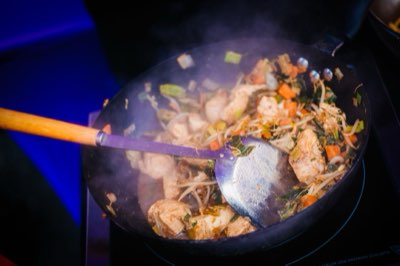
You don't need a charcoal pit to get close to these flavors. A heavy cast-iron skillet or a stovetop grill works wonders.
- Prepare the Meat: Use fatty cuts of lamb or beef (like ribeye or chuck) to prevent dryness. Cut into uniform 1-inch cubes. 2. The Signature Rub: Combine toasted cumin seeds (crushed), red chili flakes, salt, and a pinch of sugar. 3. The Sear: Get your pan extremely hot. Sear the meat in small batches to avoid crowding, which causes steaming instead of browning. 4. The Finish: Toss the hot meat in the spice mix immediately after removing it from the heat so the oils from the meat bloom the spices.
What sweet and savory treats should I try? The sound of a sharp *crack* echoes as someone bites into a bright red, translucent coating of sugar. The fruit inside is juicy and cold, creating a perfect contrast to the brittle, sweet shell.
Tanghulu—candied fruit on a stick—is a legendary seasonal treat. Traditionally made with hawthorns, these skewers are a masterpiece of texture. Achieving the perfect coating requires precision; the sugar must reach a specific temperature to become a hard, glass-like shell rather than a sticky syrup.
In many regions, sweet snacks are often enjoyed after a savory meal or during specific festivals. While some snacks are heavy and fried, others, like these fruit skewers, provide a refreshing acidity that cleanses the palate.
Mastering the Sugar Glaze
If you want to try making Tanghulu at home, the "crack" is your goal.
| Step | Action | Detail |
|---|---|---|
| 1. Prepare Fruit | Wash and dry completely | Moisture is the enemy of a hard glaze. |
| 2. Boil Sugar | 2 parts sugar to 1 part water | Do not stir once it starts boiling to avoid crystallization. |
| 3. Temperature Check | Aim for "Hard Crack" stage | The syrup should reach roughly 300°F (150°C). |
| 4. The Dip | Quick, single dip | Rotate the fruit through the syrup and then into cold water. |
*Pro Tip: If you don't have a thermometer, drop a small amount of syrup into ice water. If it hardens instantly into a brittle snap, it is ready.*
Beyond the Snack: Deep Dive into Regional Icons
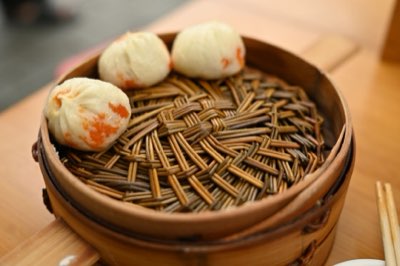
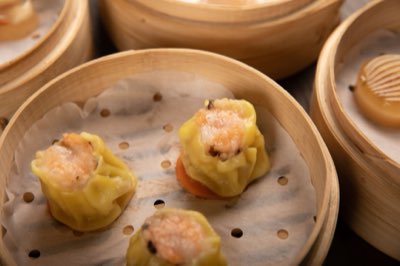
A steaming basket is lifted, releasing a cloud of vapor that smells of ginger and pork. Inside, tiny, delicate dumplings sit nestled against one another, their skins translucent and thin.
Sometimes, a "snack" is actually a miniature version of a legendary dish. In many cities, you can find street-side versions of dumplings or noodles that mimic the flavors of high-end restaurants.
For example, a simple bowl of hand-pulled noodles or a small plate of pan-fried dumplings can be just as satisfying as a full sit-down meal.
In Shaanxi province, for instance, you might find much heartier, dough-based snacks that serve as a full meal. These are often more filling than a simple skewer, designed to be a centerpiece of a traveler's diet.
Simple Regional Noodle Recreation
To mimic the hearty, hand-pulled feel of Northern Chinese noodles at home:
- The Dough: Use high-protein bread flour. Knead it thoroughly until very elastic. 2. Resting: Let the dough rest for at least 30 minutes; this is crucial for the texture. 3. The Sauce: Create a base of garlic, ginger, soy sauce, and chili oil. 4. The Assembly: If you can't pull noodles by hand, use thick linguine or udon, but toss them in a heavy amount of toasted sesame oil and aromatics to mimic the street-style richness.
Navigating the Market: Tips for the Modern Traveler
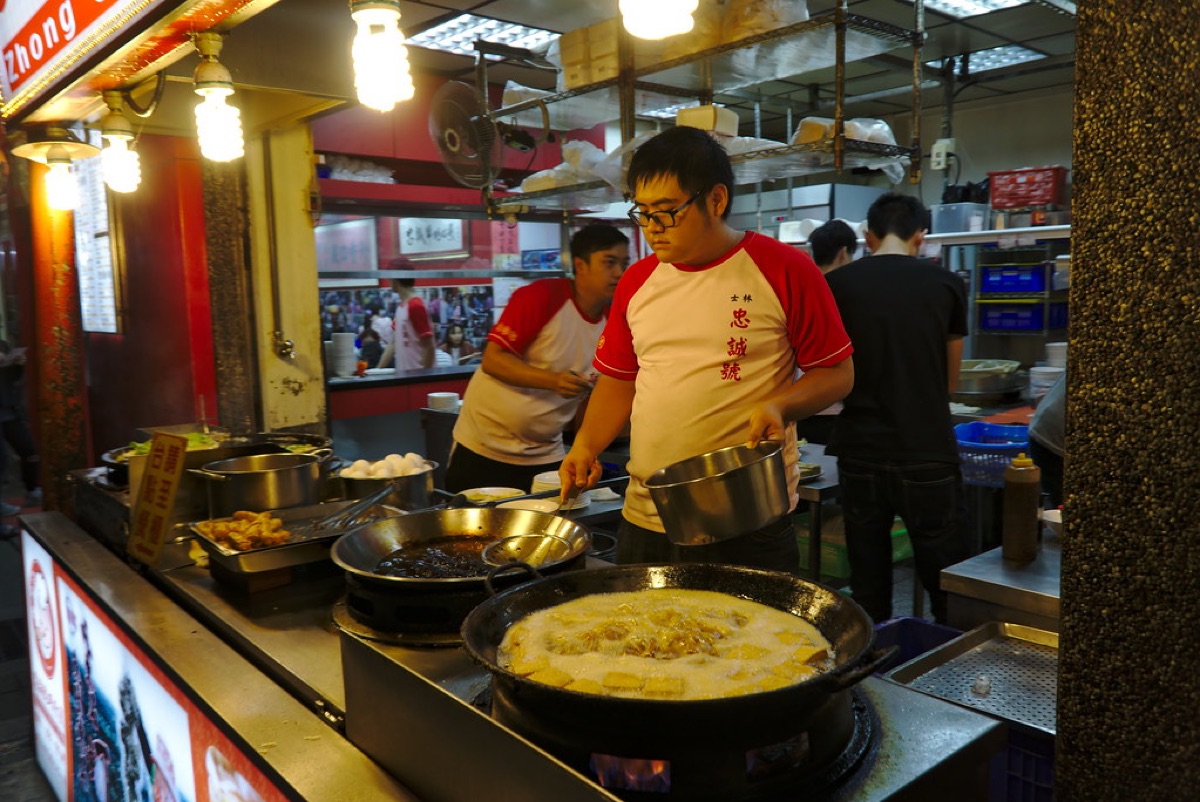
The market is a sensory overload—the shouting of vendors, the clatter of metal spatulas, and the dizzying array of colors. It can be intimidating, but it is also where the best food lives.
When choosing a vendor, look for high turnover. A busy stall usually means the ingredients are fresh and the food is being prepared constantly. If you see a long line of locals, join it. The smoke from a busy grill is often a sign of a well-maintained, high-heat cooking station.
Regarding hygiene, focus on vendors who cook food to order in front of you. High heat is your friend. While it is always wise to stay observant, the most popular stalls often maintain a level of cleanliness that keeps their local customers coming back daily.
Quick Guide to Street Food Success
- Follow the Crowd: Local popularity is the best endorsement of quality and freshness. 2. Watch the Heat: Prioritize foods that are freshly fried, grilled, or boiled. 3. Carry Small Change: While digital payments are king in China, having small denominations is helpful in smaller stalls. 4. Stay Hydrated: Keep bottled water handy to balance out spicy or salty snacks. 5. Observe First: Watch how locals handle sauces and napkins before you dive in. #


Comments 0