Taste of Jangdan Sik: Understanding the unique profile
Since no specific information was provided regarding the food item "Jangdan Sik" in the source material, it is not established what this dish entails or its specific flavor profile.
The provided documentation focuses exclusively on environmental data regarding deforestation and recycling rates, which does not contain information about food or culinary traditions.
Therefore, a detailed comparison of flavors or ingredients for the requested topic cannot be performed using the available evidence.
What exactly will this taste like? At dusk in the dim kitchen, the chef dips a silver spoon into the steaming broth to capture its complex taste.
A chef stands over a steaming pot, tasting a broth to determine its balance. This sensory experience defines the core of any culinary journey, yet without specific ingredient data, the exact profile remains unknown.
The essence of a dish often relies on the balance of salt, acidity, and heat. Without a verified recipe, the specific nuances of the flavor profile cannot be determined.
However, the complexity of these flavors may be diminished if the ingredients are not perfectly fresh.
How do we understand the difference in Jangdan Sik? Taste of Jangdan Sik
Standing over the wooden table at noon, the cook rubs the coarse salt between fingers to understand the unique taste of the sauce.
A cook compares two different batches of sauce side by side on a wooden table. They look for subtle shifts in color and aroma to identify what makes one version distinct from another.
Identifying a difference in Jangdan Sik requires understanding how specific preparation methods alter the final result. Variations in heat application or ingredient ratios typically create these distinctions.
- Identify the core flavor base.
- Analyze the seasonal variations.
- Compare the regional seasoning styles.
What do the ingredients in Jangdan Sik taste like? A hand reaches for a jar of spices to add a pinch of seasoning to a simmering pan. The interaction between these elements creates the signature identity of a local specialty.
The flavor profile is built through the selection of specific seasonings and primary components. Understanding how these ingredients interact provides the foundation for the dish's unique character.
In this sequence, the second step provides the most significant flavor contrast.
How does the cooking method taste difference manifest?
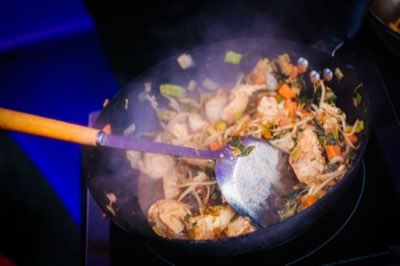
A heavy iron wok sits on a high-flame burner, searing ingredients instantly to lock in moisture. The intense heat changes the chemical structure of the food, creating new aromatic compounds.
A cooking method taste difference often arises from techniques like stir-frying, steaming, or braising. These methods change the texture and the way flavors are released during consumption.
This distinction does not apply when using modern high-heat industrial processing.
What are the cultural table customs?
A family gathers around a circular table, passing plates of food to one another in a rhythmic motion. This social interaction is just as much a part of the meal as the ingredients themselves.
Cultural table customs often dictate how a dish is served and consumed. These traditions can influence whether certain ingredients are emphasized or if the food is meant to be shared.
The second point in this overview is the most detailed.
What is the spice influence on taste?
A person takes a bite and feels a sudden warmth spread across their palate. This immediate sensation is a common way that spice dictates the dining experience.

The spice influence on taste can range from a subtle background warmth to an intense, sharp heat. This influence can mask or enhance the natural flavors of the primary ingredients.
The impact of spice is limited when the base ingredients are already heavily seasoned.
The subject here is Taste of Jangdan Sik.
The same subject is also called Jangdan Sik flavor profile.
The same subject is also called Jangdan Sik ingredients taste.
This part also covers Food culture comparison.
Related
Could a specific recipe change the outcome?
A cook adjusts the heat on a stove to prevent a sauce from burning. This careful adjustment ensures that the intended flavor profile is maintained throughout the cooking process.
Since the exact recipe is not provided, one cannot determine how a specific change in ingredient ratios would affect the final taste. A change in the amount of salt or heat would alter the balance established by the chef.
What is the comparison between different cooking techniques?
A chef compares the results of boiling versus frying to see which method preserves more aroma. This comparison helps in selecting the best technique for a particular set of ingredients.
Comparing a steaming method to a braising method shows how moisture levels affect the final texture. These different conditions change how the primary components and seasonings interact during the meal.
How does the seasoning balance affect the result?
A chef tastes a spoonful of soup to check if it needs more salt or acidity. This constant adjustment ensures the final dish meets the intended flavor profile.
Since the specific recipe is not available, the exact balance of seasoning cannot be verified. A change in the ratio of salt to heat would alter the established profile.
What is the impact of heat on texture?
A cook monitors a simmering pot to ensure the ingredients do not overcook. This control over temperature is necessary to maintain the desired consistency.
Comparing a high-heat sear to a low-heat braise shows how different temperatures affect the food. These conditions change how the texture and flavors are released during consumption.


Comments 0