Rice Cakes: 28 Flavors of Mountain Minority Cuisine
"Food is not just sustenance; it is a living history served on a plate."
While many associate rice cakes with a sweet snack, in the high-altitude regions of East and Southeast Asia, these chewy delights often serve as a hearty, savory centerpiece of a family meal.
* Ingredient Variety: Local grains like rice, corn, and potato define the texture and flavor of regional specialties. * Diverse Cooking Methods: Techniques range from steaming and frying to simmering in spicy broths. * Cultural Significance: These dishes often represent survival, celebration, and the history of nomadic or mountain-dwelling peoples.
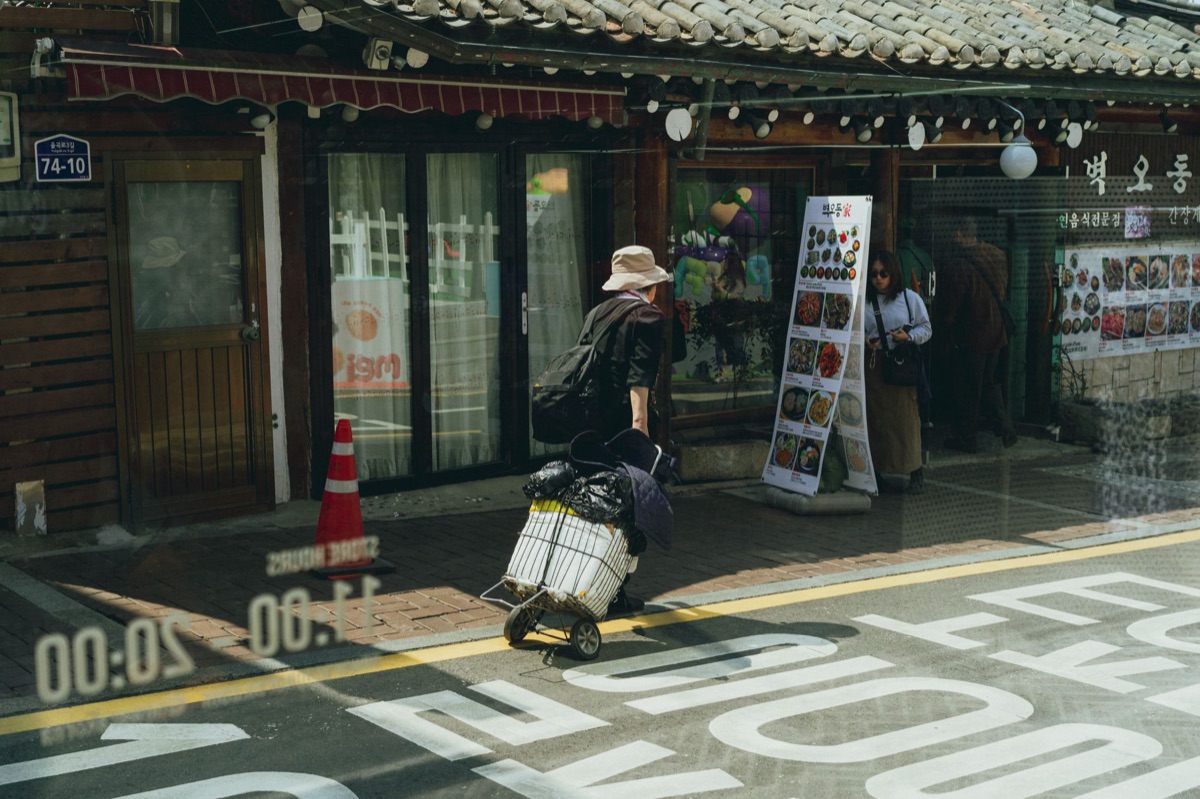
What is this chewy temptation from mountain villages? In the autumn of 2025, I found myself winding up a narrow, misty road toward a village perched over 4,500 feet above sea level. At 6:00 AM, the thick fog clung to the trees, and as I stepped into my small guesthouse, a sharp, savory, and spicy aroma hit me instantly.
On a heavy wooden cutting board sat piles of freshly steamed white rice cakes, while villagers stirred large iron pots filled with meat, vegetables, and thick, chewy morsels.
In many ethnic minority regions, the term "rice cake dish" covers a much broader category than a simple snack. It isn't just about rice cakes tossed in a spicy sauce; it often refers to any dish where the cake acts as a primary starch, sautéed or simmered alongside meats and vegetables.
In southern regions where rice is abundant, rice-based cakes dominate. In northern or high-altitude areas where corn or potatoes are staples, the ingredients shift accordingly. For these communities, these dishes are often a filling main course rather than a light dessert.
These recipes carry the history of migrations, trade routes, and the natural environment. But how do these humble ingredients transform into such complex culinary experiences?
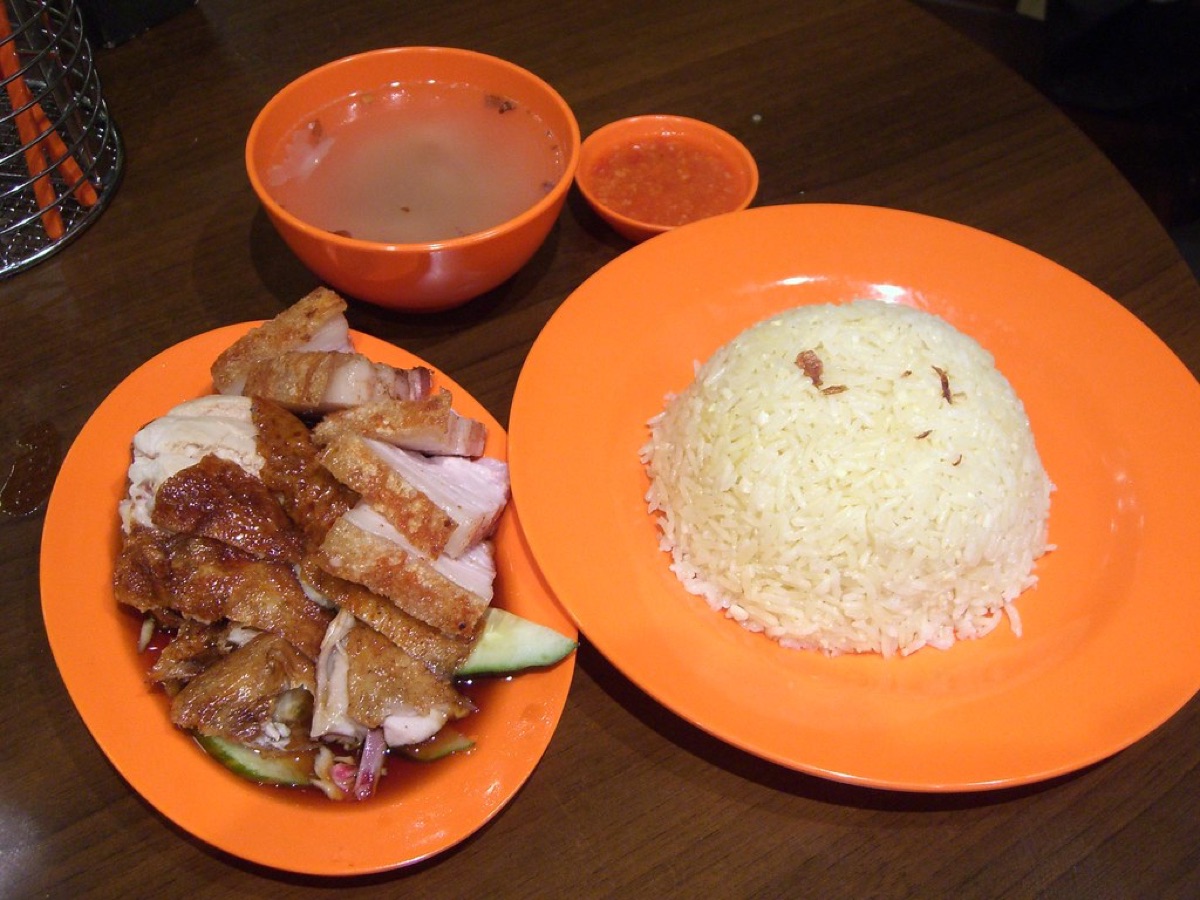
How were these flavors shaped by rice and corn?
In areas where sunlight hits terraced rice paddies, thick, glutinous rice cakes take center stage. Conversely, in harsher, high-altitude terrains, cakes made from cornmeal often occupy the dinner table.
In provinces like Yunnan or Guizhou, where various ethnic groups reside, rice-based dishes are highly developed. Steamed glutinous rice is often tossed with local spices like Sichuan peppercorns or dried chilies to create a flavor profile that is entirely different from Western rice-based dishes.
In regions where corn is the primary crop, cornmeal is often mixed with hot water to create a dough-like consistency, which is then shaped into cakes, stuffed with meat, or fried in oil. This was a resourceful way to ensure nutrition in environments where rice was a luxury.
The choice of grain dictates the texture, and that texture defines the identity of the dish. Let's look at how these ingredients are handled in the kitchen to achieve the perfect bite.
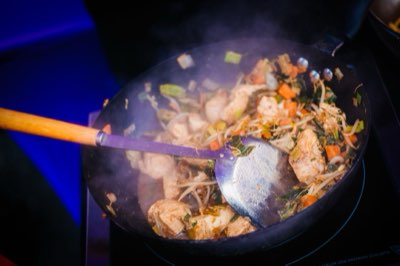
What magic is happening inside the cooking pot? The sound of oil sizzling in a heavy cast-iron pot often precedes the arrival of the main event. When thick, hand-cut rice cakes are tossed into a pan of searing meat, the kitchen transforms into a theater of aroma.
The secret to these dishes lies in the balance of textures. The perfect dish occurs when the chewiness of the cake meets the crunch of a vegetable or the tenderness of slow-cooked meat.
- Preparing the Cakes: Slice rice or corn-based cakes into uniform pieces. If they are too thin, they might dissolve into the sauce; if too thick, the seasoning won't penetrate the center.
- Building the Spice Base: Sauté aromatics like garlic, ginger, and regional spices—such as peppercorns or coriander seeds—in oil to extract deep flavors.
- Cooking the Protein: Sear meats or vegetables first to ensure they are cooked through before adding the starch.
- Simmering and Glazing: Simmer over medium heat to let the sauce soak into the cakes, or stir-fry over high heat for a crispy exterior. If the cakes are too firm, a small amount of broth can be added to adjust the consistency.
Timing is everything. If cooked too long, the cakes lose their shape; if not cooked enough, the center remains bland.
With these techniques in mind, where can a traveler go to find these authentic flavors?
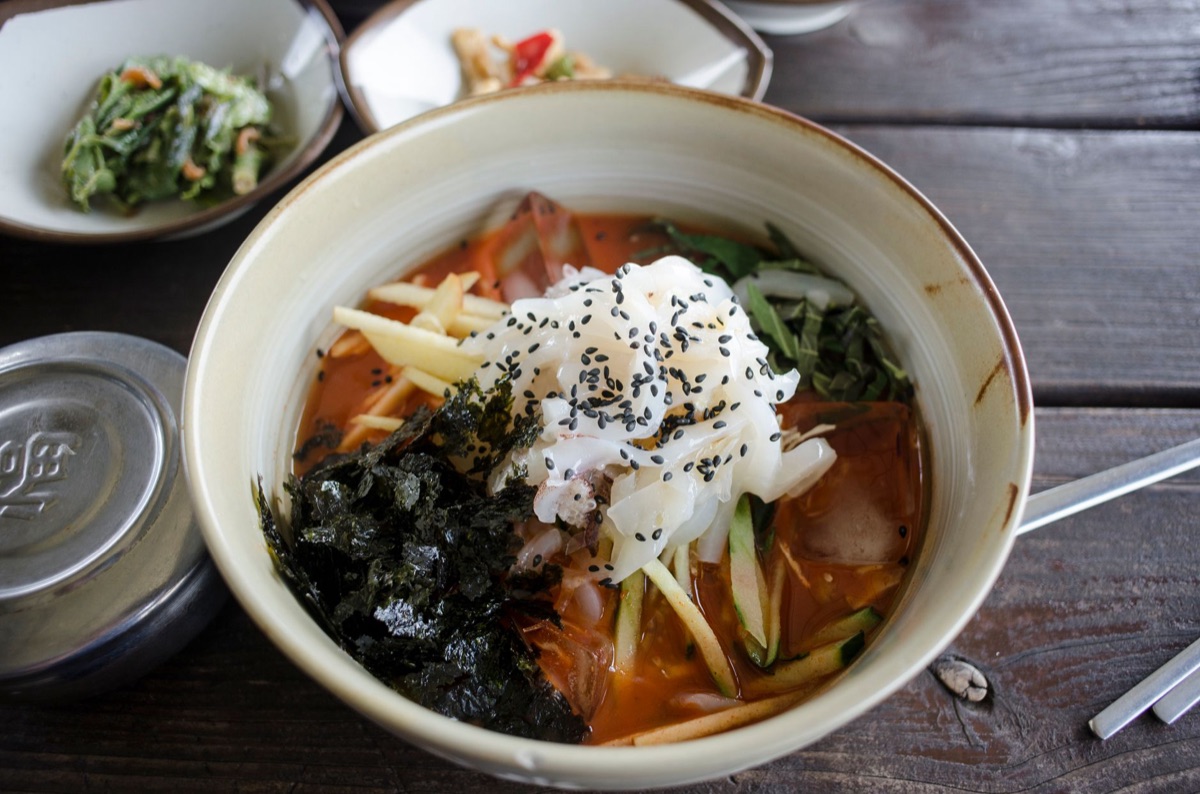
A culinary map for travelers: Where to go?
Imagine unfolding a map and tracing a path along jagged mountain ranges. The reward for navigating winding, narrow roads is often a small, family-run eatery serving a steaming bowl of local specialties.
If you want to experience these diverse rice cake dishes, consider these regions:
| Region | Primary Characteristics | Recommended Style |
|---|---|---|
| Yunnan Province | A melting pot of diverse ethnic groups | Bold, spice-heavy rice cake stir-frys |
| Guizhou Province | Rugged terrain with unique local ingredients | Spicy, numbing, and savory rice-based dishes |
| Guangxi Region | Deeply rooted rice-growing culture | Soft, delicate, and savory rice-based dishes |
In Yunnan, every village might offer a slightly different spice profile, making every stop a new discovery. Guizhou’s dishes often lean into a spicy, numbing heat that is deeply satisfying, while Guangxi offers more subtle, smooth textures.
However, traveling to eat requires more than just a map; it requires a bit of caution.
Important considerations for travelers and foodies
Walking into a local eatery in a remote area can be intimidating. Traditional dishes in these regions might be much more pungent or spicy than what you are used to at home.
* Check for Freshness: Instead of random street stalls, look for places where locals are queuing up. If rice cakes look overly dry, hard, or have been sitting out too long, it is best to skip them. * Manage the Heat: Traditional spice levels can be much higher than standard "spicy" levels found in American restaurants. Start with a small portion to test the intensity. - Mind Your Allergies: Always confirm whether the base is rice, corn, or another grain. If you have specific grain sensitivities, double-check the ingredients with the vendor.
With these tips, a meal can transition from a risky adventure to a lifelong memory. Here are a few common questions travelers often ask.

Comments 0