Sichuan vs Beijing: 2 Tteokbokki Styles Meet Global Palates
"Beyond the K-Drama trope, Tteokbokki’s journey through China reveals how a single dish transforms into a regional culinary identity, with Sichuan’s fiery depth clashing beautifully with Beijing’s nuanced approach."
While the term "Tteokbokki" refers to the iconic Korean rice cake dish, its essence—chewy starch-based bites coated in thick, flavorful sauces—has been adapted across China to suit local palates.
This exploration looks at how the fundamental concept of a rice cake dish shifts when it meets the heavy spice of the southwest and the refined, savory traditions of the north.
Key Takeaways: * The fundamental difference lies in the base flavor profile: Sichuan leans toward numbing heat, while Beijing leans toward deep, savory umami. * Regional variations dictate texture and protein choices, from aggressive oil-based coatings to thick, braised glazes.
* Both styles represent a microcosm of China’s vast culinary diversity, showing how a single concept can be reborn through local ingredients.
1. What is Tteokbokki? A Globalized Dish with Local Roots
I remember sitting in a small, steam-filled eatery in Chengdu on a rainy Tuesday in 2025, looking down at a plate of chewy rice cakes that looked nothing like the bright red, sweet-and-spicy version I had seen in Seoul. The texture was familiar, but the soul of the dish had shifted entirely.
According to statistics from the International Ramen Manufacturers Association, Taiwan is the world's twelfth-largest instant noodle market, with an annual NT$10 billion (US$300 million) in sales in 2018.
According to the World Instant Noodles Association, China was the world's largest instant noodle market in 2018 with demand reaching 40.25 billion servings.
The global popularity of rice cake dishes has paved the way for "regionalization." While the Korean original often balances sweetness with spice, Chinese adaptations often lean heavily into established regional flavor profiles.
In China, the "spirit" of the dish—the interplay between a chewy texture and a bold sauce—is used as a canvas for local identity.
Whether it is a thick rice cake or a similar starch-based dumpling, the goal remains the same: a satisfying, chewy bite that acts as a sponge for sauce.
In the south and west, that sauce is often an aggressive, oil-based infusion, whereas in the north, it often takes the form of a rich, slow-cooked braise.
But how does that oil-based infusion actually taste when it hits the tongue?
2. The Sichuan Inferno: Why is the heat so different?
The air in a Sichuan kitchen is often thick with the scent of toasted chilies and peppercorns, a sharp aroma that hits the back of the throat before you even take a bite.
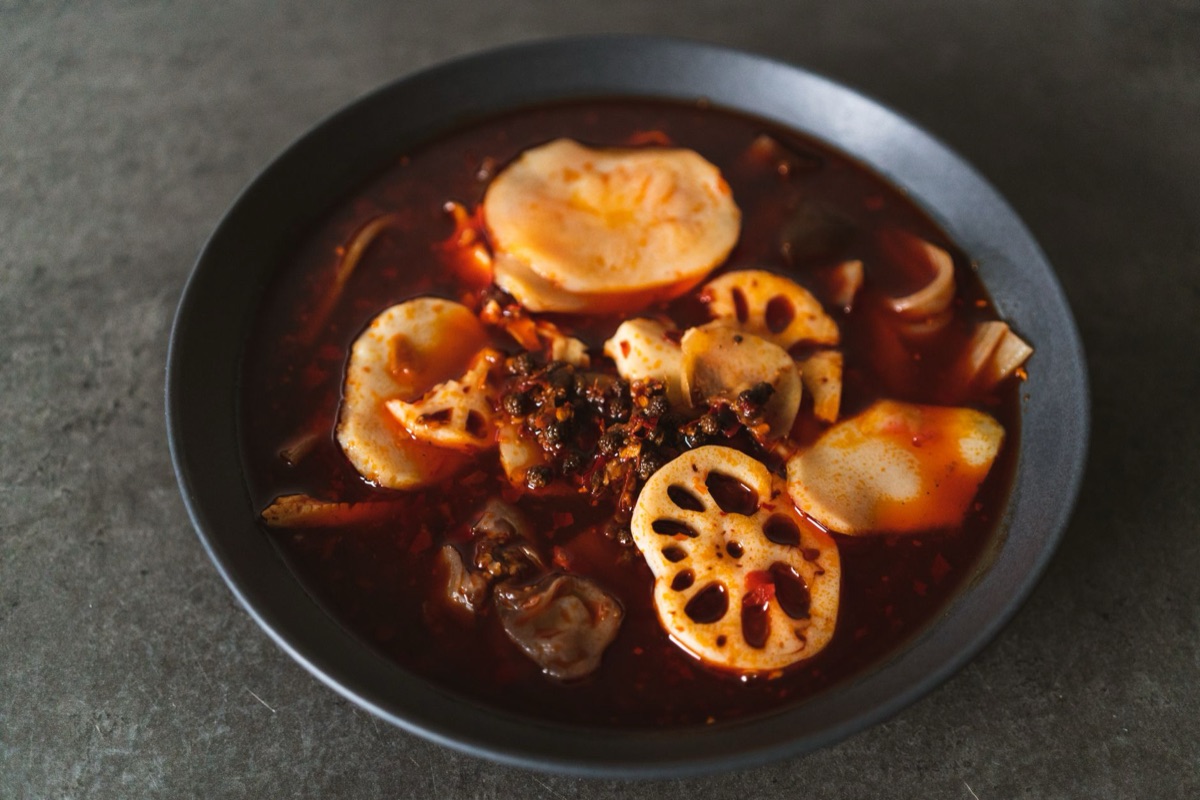
Sichuan-style rice cake dishes are defined by *málà*—the combination of chili heat and the numbing sensation of Sichuan peppercorns. Unlike the often vinegary or sugary Korean version, these dishes prioritize a complex, layered heat.
The oil is not just a medium; it is a flavor carrier, often infused with fermented bean pastes and aromatics.
You might find these rice cakes served alongside lotus root, wood ear mushrooms, or even beef slices, all swimming in a vibrant, red-tinted oil. The heat is aggressive, designed to stimulate the appetite and provide a sensory jolt that clears the palate.
It is a violent, beautiful flavor profile that leaves the mouth tingling long after the plate is empty. However, the northern approach takes a completely different path.
3. The Beijing Nuance: Is it really just savory?
Walking through a quiet courtyard in Beijing during a chilly autumn evening in late 2025, the smell of simmering soy-based broths often wafts through the air, promising warmth and comfort.
In contrast to the Sichuanese fire, Beijing-style adaptations tend toward a more refined, savory profile. The focus here is often on deep umami and a perfect balance of salt and sweetness, leaning toward the characteristics of traditional Northern Chinese braising.
Instead of a sharp, stinging heat, you might encounter a thick, dark glaze that clings heavily to the rice cakes.
The texture is often more substantial, with ingredients like mushrooms, root vegetables, or pork belly providing a rich, savory weight that makes the dish feel like a complete, hearty meal rather than just a snack.
It is a gentle, heavy comfort, but the technical execution is where the real divide lies.
4. Deconstructing the Differences: How do the techniques diverge?
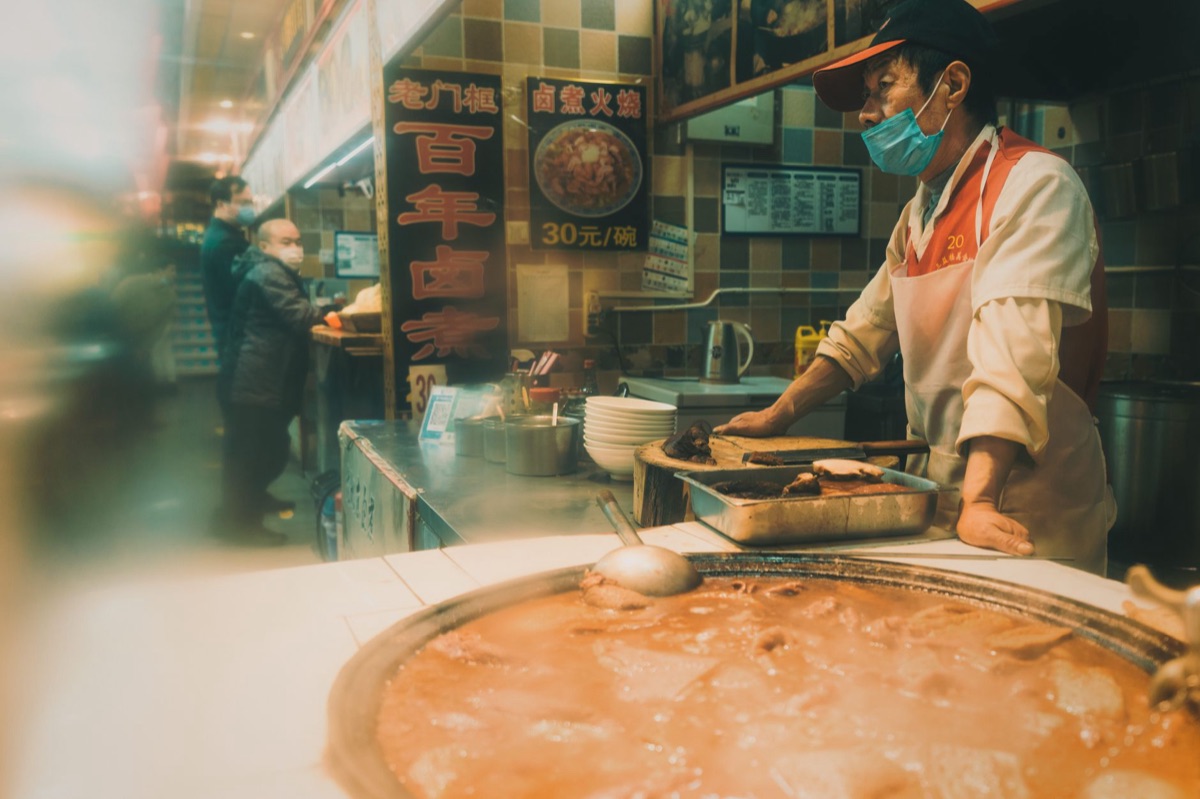
I once watched a chef in a Beijing noodle shop in early 2026 prepare a similar starch-based dish, and I noticed how he let the sauce reduce slowly until it was almost a thick syrup, a stark contrast to the high-heat stir-frying I saw in Chengdu.
The divergence between these two styles is best understood through their cooking techniques and the resulting textures.
| Feature | Sichuan Style | Beijing Style |
|---|---|---|
| Primary Flavor | Numbing, spicy, pungent (*málà*) | Savory, umami, rich |
| Sauce Base | Chili oil, fermented bean paste | Soy sauce, sugar, meat-based broth |
| Cooking Method | High-heat stir-frying and oil reduction | Slow simmering and thick reduction |
| Texture | Lightly coated, oily, and vibrant | Thickly glazed, heavy, and coating |
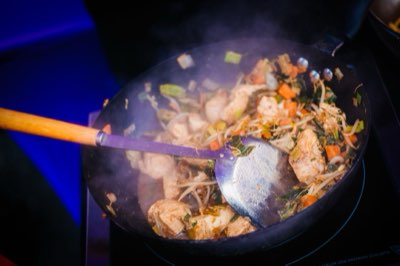
Sichuan Technique: This style often utilizes high heat to rapidly reduce sauces, incorporating rendered fats and chili oils to create a coating that is vibrant and pungent. The goal is to ensure every crevice of the rice cake is hit by the sharp aromatics.
Beijing Technique: This style relies on slow simmering. By cooking the rice cakes in a flavorful liquid, the starch slightly thickens the sauce from within, allowing the flavors to meld deeply into the rice cakes. This results in a much thicker, more cohesive glaze.
But how can you replicate these distinct personalities in your own kitchen?
5. Beyond the Basics: How to perfect the flavor at home?
When I try to recreate these flavors in my own kitchen, I find that the secret isn't just in the ingredients, but in how you manage the heat and the reduction.
If you want to bring a bit of Sichuan flair to your table, remember that the "Ma La" sensation is a delicate balance. If you use too much peppercorn, you lose the ability to taste the chili; if you use too much chili, you lose the numbing effect.
Sichuan Home Tip: 1. Toast your Sichuan peppercorns lightly before grinding them to release the oils. 2. Use a high-quality chili oil as your base. 3. Add aromatics like garlic and ginger during the initial oil tempering to create a deep, fragrant foundation.
Beijing Home Tip: 1. Use a high-quality soy sauce and a touch of rock sugar for a glossy, deep-colored glaze. 2. Simmer the rice cakes in a broth made from mushrooms or meat to build a natural umami base. 3.
Allow the sauce to reduce significantly before serving to ensure it clings to the rice cakes.
Ingredient Substitution Guide: * For Sichuan Heat: If you cannot find specific fermented bean pastes, a mix of chili paste and a little extra garlic can mimic the depth.
* For Beijing Richness: If you don't have access to specific braising meats, using dried shiitake mushrooms soaked in water can provide that essential earthy, savory undertone.
It leaves one wondering: what does this mean for the future of global fusion?
6. Global Culinary Takeaway: Why does diversity matter?
Looking back at my notes from these travels in 2025 and 2026, it is clear that a single dish can act as a mirror, reflecting the soul of an entire province.
As noted by the International Ramen Manufacturers Association, Taiwan is the world's twelfth-largest instant noodle market, with annual sales of NT$10 billion (US$300 million).
This comparison is just a small window into the vastness of Chinese regional cooking. Just as rice cakes change from the mountains of Sichuan to the streets of Beijing, so do dumplings, noodles, and soups.
It is a testament to the ability of food to absorb, adapt, and redefine itself while remaining rooted in local tradition.
Whether you prefer the sharp, electric sting of a spicy oil or the comforting, heavy embrace of a savory glaze, these variations prove that there is no single "correct" way to enjoy a rice cake. There is only the joy of discovery.
#

Comments 0