Chinese Cuisine: Discovering Regional Flavors Across China
"To understand a culture, you must first understand its kitchen."
If you think Chinese food is just takeout, you haven't truly traveled. From the numbing spice of a Sichuanese hot pot to the delicate, soup-filled dumplings of Shanghai, the culinary landscape is as vast as the country itself.
* Regional Variety: Flavors change drastically between the wheat-heavy North and the rice-centric South. * Culinary Hubs: Certain cities, like Xi'an or Guangzhou, act as living museums for specific cooking traditions. * Dining Spectrum: You can find world-class luxury in a banquet hall or life-changing flavor at a plastic-table street stall. * Authentic Travel: Learning which city owns which dish is the key to a successful food tour.
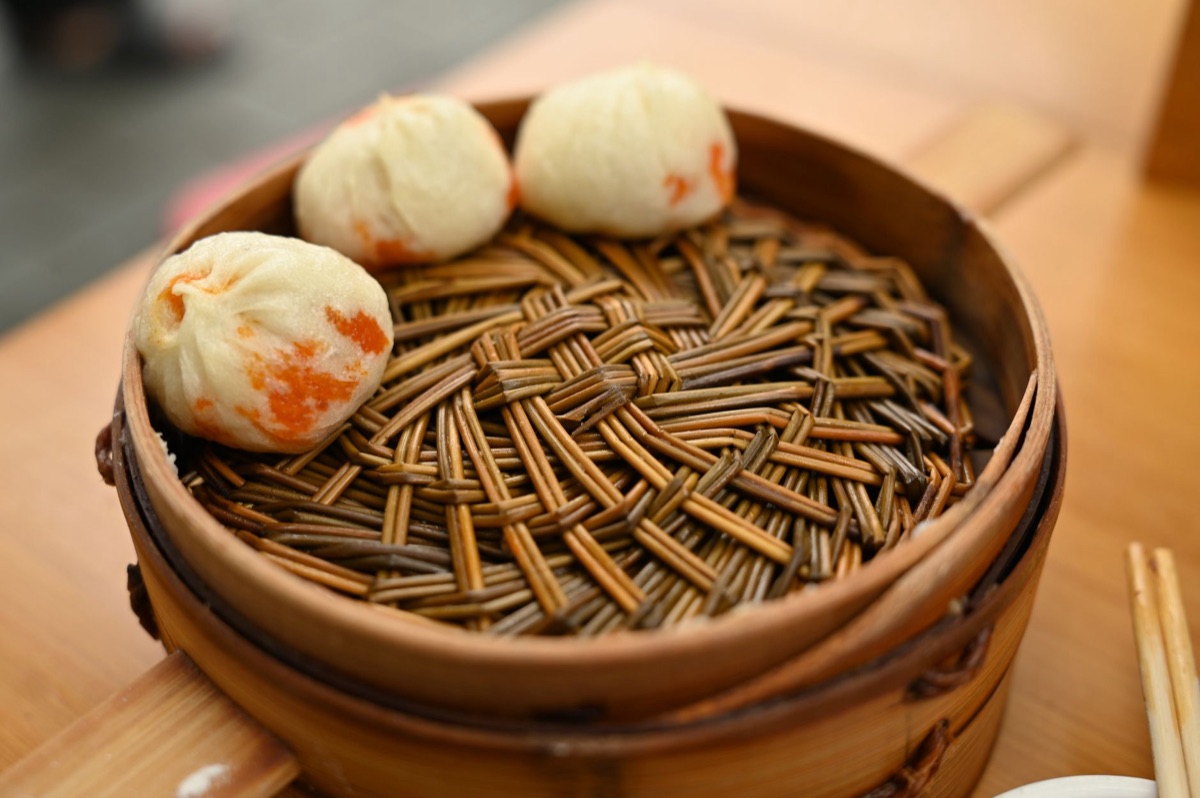
Why is Chinese cuisine so diverse? I remember standing in a crowded market in Chengdu in late 2025, the air thick with the scent of toasted chilies and fermented beans, realizing that nothing I had eaten in New York could have prepared me for this. According to World Bank data, China recorded GDP per capita of US$13,862 in 2025.
The humidity hit my skin, and the sharp, stinging aroma of Sichuan peppercorns seemed to vibrate in the air.
The diversity of Chinese food is driven by geography and climate. In the north, where the land is suited for grains, wheat is king, leading to a culture of thick noodles, dumplings, and heavy buns.
In the south, the fertile river deltas and coastal access make rice and seafood the foundation of every meal.
Geography also dictates the "heat" of a region. Coastal areas often rely on the natural saltiness of seafood and light seasonings, while inland provinces use spices like chili or peppercorns to balance the dampness of their environment.
This isn't just about taste; it is a historical method of preservation and health management.
Different culinary pillars define these regions. You might find the heavy, vinegar-forward acidity of Shandong cuisine in the north, which contrasts sharply with the sweet, delicate, and soup-heavy Huaiyang style of the lower Yangtze.
Each province acts as its own culinary kingdom, often with its own distinct set of rules for seasoning and texture.
But how do you actually navigate these massive flavor shifts when you land?
What are the must-try signature dishes? Walking into a traditional Beijing restaurant in early 2026, I watched a chef carefully carve a Peking Duck, the skin glistening like amber under the dining room lights. The precision of the knife work was almost meditative, signaling that this wasn't just a meal, but a ritual.
Peking Duck is perhaps the most famous export, but eating it in Beijing is a different experience entirely. The dish relies on a specialized oven-roasting technique that creates a skin so thin and crispy it shatters upon contact.
It is traditionally served with thin pancakes, cucumber slivers, scallions, and a thick, sweet bean sauce.
When looking for hot pot, you must understand the regional divide. In Chongqing, the hot pot is often a deep, oily, and intensely spicy red broth designed to numb the tongue.
In contrast, Northern-style hot pot often uses a clear, savory broth, focusing more on the quality of the meat and the dipping sauces.
The evolution of wheat-based dishes shows how one concept can branch into a thousand flavors. Consider the difference between a delicate, soup-filled Xiaolongbao from Shanghai and the thick, hand-pulled Lanzhou beef noodles.
| Dish Type | Primary Grain | Typical Flavor Profile | Key City/Region |
|---|---|---|---|
| Dumplings/Buns | Wheat | Savory, Umami, Doughy | Northern China / Xi'an |
| Rice Dishes | Rice | Light, Sweet, Floral | Southern China / Guangdong |
| Noodles | Wheat/Rice | Spicy, Salty, Textured | Sichuan / Yunnan |
While the flavors are distinct, the logistics of eating can be overwhelming.
From Street Stalls to Fine Dining: The Urban Culinary Map
I sat on a small, backless stool in a narrow Xi'an alleyway in the spring of 2026, steam from a nearby noodle stall rising to meet the evening mist. The sound of chopping, the shouting of orders, and the heavy scent of cumin created a sensory overload that felt more "real" than any five-star hotel.
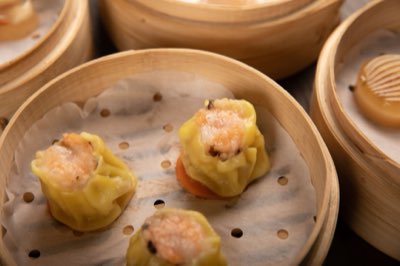
For a true immersion, you must visit the specific cities that birthed these flavors. Guangzhou is the heart of Cantonese cuisine, where Dim Sum culture thrives. Here, breakfast and brunch are social events involving small steamer baskets of shrimp dumplings (Har Gow) and pork buns (Siu Mai).
The etiquette involves tea-pouring rituals and a focus on the freshness of ingredients.
If you crave hearty, wheat-based comfort, head to Xi'an. This ancient city is a paradise for lovers of thick noodles and hand-pulled dough. The Silk Road history is reflected in the heavy use of spices like cumin and the presence of various flatbreads that define the local diet.
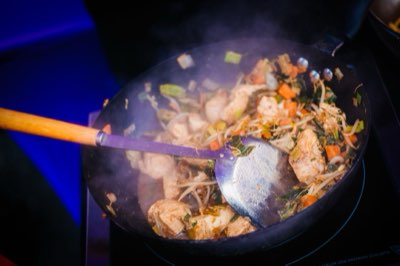
Chengdu offers a different kind of intensity. It is the capital of "Mala"—the combination of chili heat and the numbing sensation of Sichuan peppercorns. The dining here is often slow and communal, designed to be experienced over hours of sipping tea and sharing spicy plates.
Travel Tip for Foodies: To avoid tourist traps, look for places where the menu is handwritten or where there is a high turnover of local residents. If a restaurant has a massive English-only menu right next to a major landmark, it might be prioritizing tourists over authenticity.
But what happens when the sun goes down and the formal meals end?

Beyond the Main Course: Snacks, Rituals, and Dining Etiquette
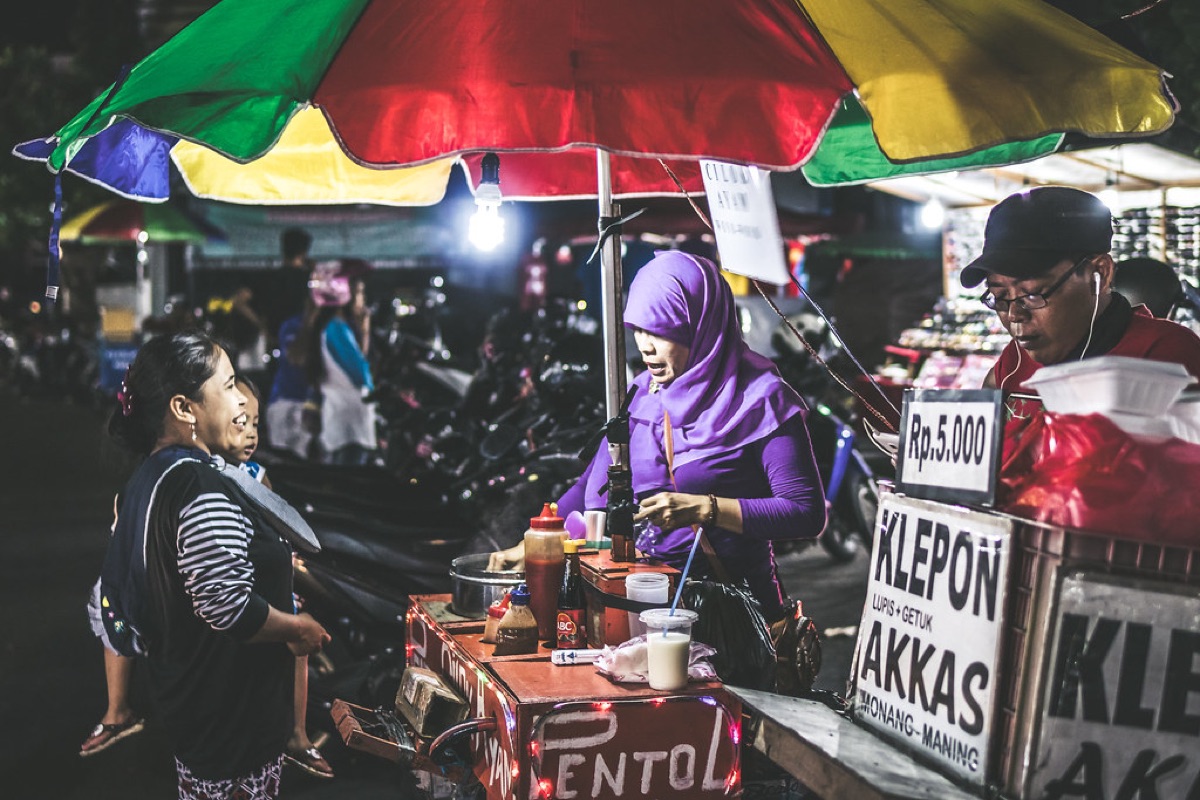
The sun was setting over a bustling night market, and I found myself wandering between stalls, lured by the smell of sugar-coated fruit and grilled skewers. It was a constant cycle of small bites, a perfect example of how food is a continuous activity rather than just three set meals.
Street food is a vital part of the urban fabric. In many cities, breakfast is a mobile affair, with vendors selling fried dough sticks (Youtiao) or savory rice rolls. These snacks are often designed to be eaten quickly, providing energy for the day ahead, but they carry deep regional identities.
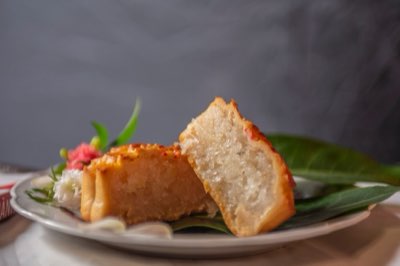
Tea and desserts also play a crucial role in the dining ritual. During festivals like the Mid-Autumn Festival, Mooncakes become the centerpiece, often paired with specific teas to balance the sweetness. This ritualistic side of eating connects the food to the lunar calendar and family traditions.
When dining with locals, remember that communal eating is the norm. Dishes are placed in the center to be shared, and using your chopsticks to grab food from a communal plate requires a bit of etiquette—usually, using the "serving" end of the chopsticks is a polite gesture.
A Checklist for Your First Authentic Meal:
- Check the Turnover: Look for a line of locals. High turnover usually means the ingredients are fresh and the flavor is consistent.
- Mind the Chopsticks: Avoid sticking your chopsticks vertically into a bowl of rice, as this mimics a ritual for the deceased.
- Balance the Heat: If a dish is too spicy, look for a tea like Pu-erh or a cold beverage to cleanse the palate.
- Share the Load: Always order several dishes for the table rather than one large plate to experience the intended flavor balance.

Comments 0