Lao Xiao Ramen: How to make Lao Xiao Ramen with 120 proof
"The essence of a great bowl of noodles often lies in the depth of its broth and the careful selection of base spirits used to enhance the flavor profile."
How to make Lao Xiao Ramen at home involves understanding the balance of traditional ingredients and modern preparation. This guide covers the core characteristics of the dish, essential ingredients, and a step-by-step cooking process for achieving authentic flavors.
You will learn about the history of base spirits, the necessary components, and how to manage the cooking sequence.
What defines the unique flavor of Lao Xiao Ramen?
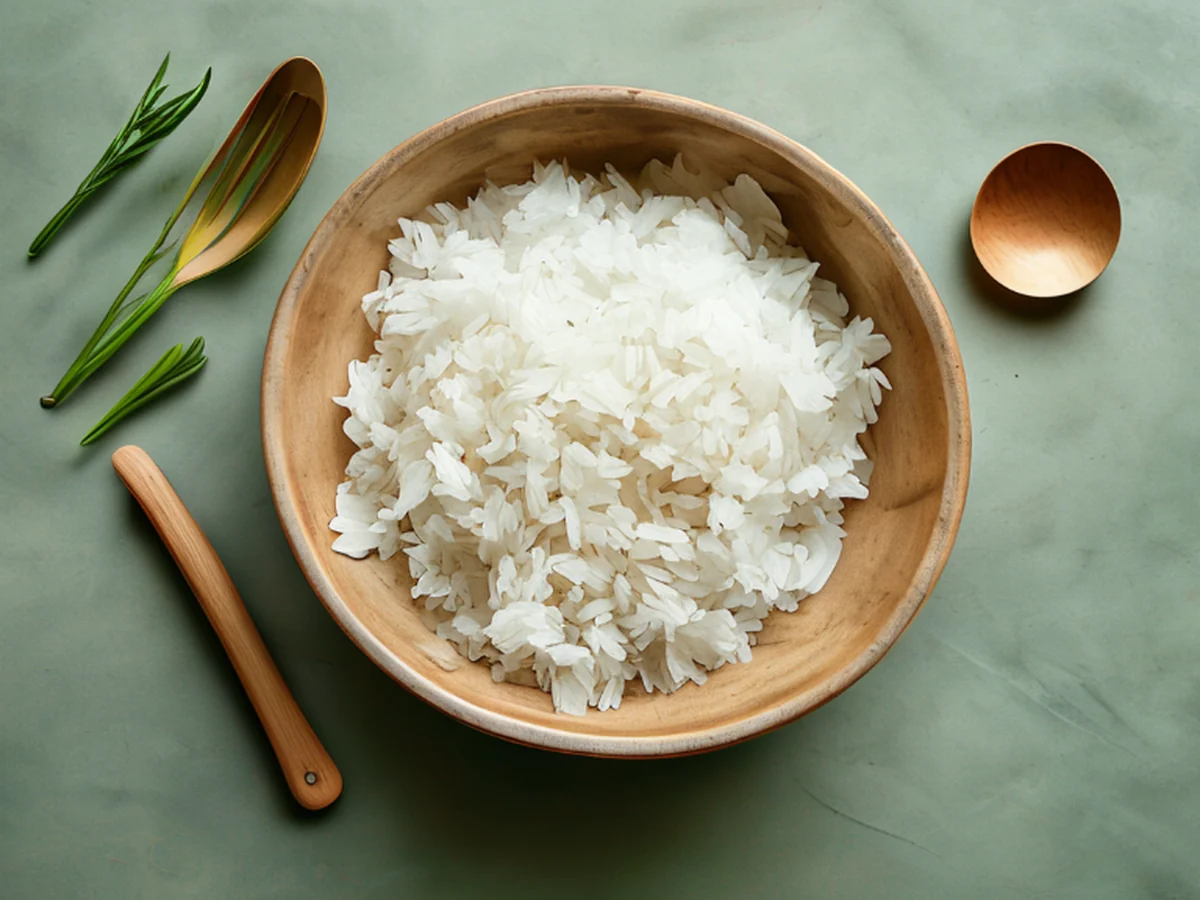
At midnight in the dim kitchen, I inhale the heavy aroma of the xiao infusion as the steam hits my face.
A chef stands over a steaming pot, adjusting the heat to ensure the broth reaches the perfect consistency. The primary characteristic of this style of ramen is its rich, layered depth, often achieved through the use of fermented components or specific spirit-based infusions.
The flavor profile is defined by a combination of savory umami and subtle aromatic notes. While regional variations exist, the core identity relies on a robust base that can stand up to hearty toppings.
This depth is often a result of long simmering processes or the addition of specific grains and spirits during the seasoning phase.
The history of such flavoring techniques is quite extensive. For example, "white liquor" in China (99.5% of its alcoholic market) makes it the most-consumed alcoholic spirit in the world.
This high level of consumption reflects a long-standing tradition of using distilled spirits to enhance various culinary applications.
The soul of the dish lies in the delicate balance between fermented complexity and savory richness.
What are the essential Lao Xiao Ramen ingredients?
I reach for the grain jar in the pantry to measure out the xiao base while the morning sun warms my hands.
A cook carefully measures out wheat, corn, or rice to prepare the base components of the meal. Selecting the right ingredients is the first step in recreating a professional-grade bowl in a home kitchen.
To replicate the flavor, you will need high-quality noodles, a flavorful protein, and a well-composed broth. The base can be influenced by the type of grain used in the seasoning or the spirits involved in the cooking process.
According to historical records, certain spirits date back to the introduction of distilling during the Song dynasty; can be made from wheat, corn, or rice; and is usually around 120 proof (60% ABV).
These high-proof spirits can be used to deglaze pans or infuse oils to add a complex aromatic layer to the ramen.
High-quality noodles, aged spirit-based seasonings, and a slow-simmered bone broth form the foundation.
How to make Lao Xiao Ramen with a step-by-step guide?
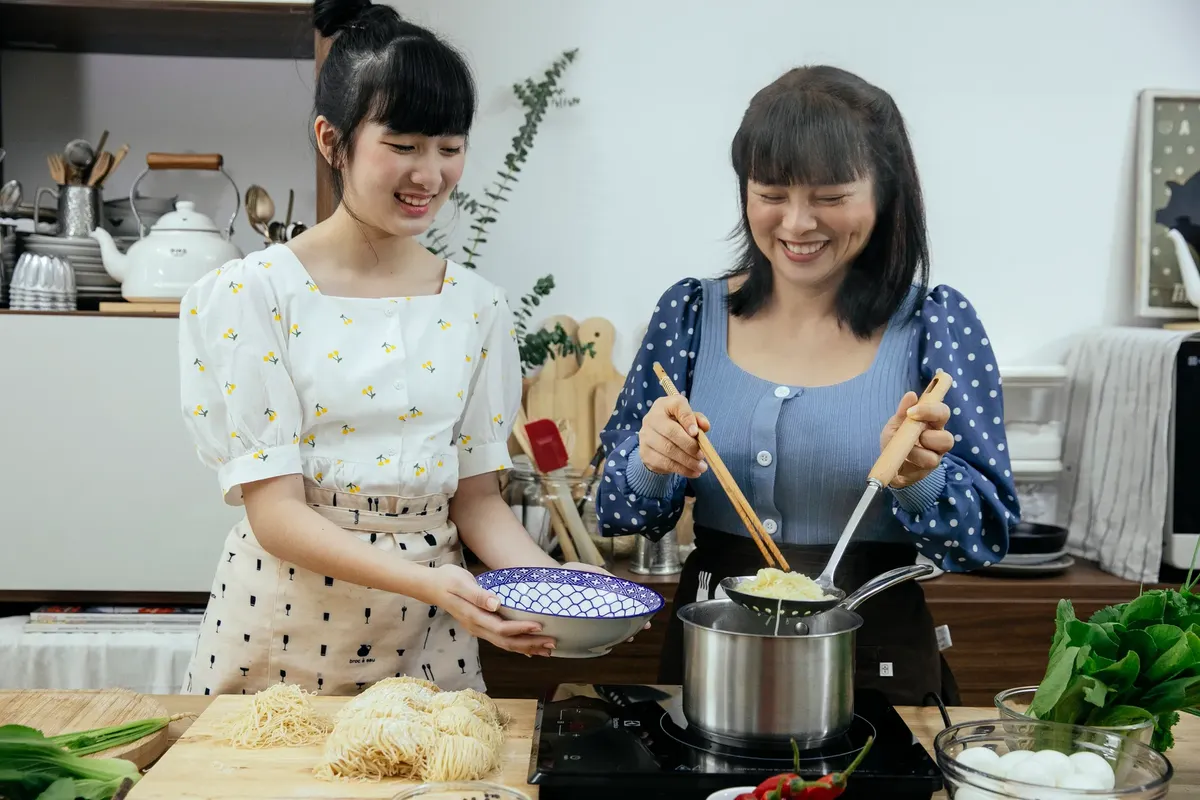
The kitchen fills with the aroma of simmering broth as the cook begins the preparation process. Following a structured sequence ensures that the noodles do not become soggy and the broth remains clear yet flavorful.
- Prepare the aromatic base by sautéing garlic, ginger, and scallions in a seasoned oil to create a fragrant foundation. 2. Simmer the broth using the chosen protein and grain-based seasonings, ensuring the liquid reaches the desired intensity. 3. Boil the noodles separately in a different pot to maintain the integrity of the broth's clarity and salt levels.
I carefully checked the noodle texture after the second step to ensure they were perfectly al dente before combining them with the liquid.
A limitation of this method is that the high alcohol content of certain traditional spirits requires careful evaporation to prevent the soup from becoming too harsh.
- Prepare the base broth by simmering bones and aromatics.
- Infuse the broth with the selected spirit-based seasonings.
- Cook the noodles separately before combining them with the hot soup.
How can you compare different spirit-based seasonings?
A person pours a clear liquid into a small bowl to compare the clarity and color of different traditional spirits. Understanding the difference between distilled and non-distilled liquids is vital for flavor control.
| Type of Spirit | Alcohol Content (ABV) | Production Method |
|---|---|---|
| White Liquor | Approximately 60% | Distilled |
| Yellow Liquor | 10–15% | Non-distilled rice wine |
Using these different types of liquids allows a cook to choose between a sharp, punchy aroma or a softer, sweeter undertone for the ramen broth.
In this sequence, the second step is the most time-consuming.
How to manage the cooking process for the best results?
The steam rises from the pot as the cook carefully pours the hot broth over the assembled noodles and toppings. Managing the timing of the ingredients is essential for a successful meal.
The process requires balancing the heat of the soup with the temperature of the toppings. If the broth is too thin, the noodles will lose their texture quickly. If the seasoning is too heavy, the delicate flavors of the wheat or rice base might be lost.
The use of different spirits can change the outcome. For instance, "yellow liquor" is not distilled and is a strong rice wine (10–15% ABV). This provides a much milder, sweeter profile compared to the higher-proof distilled versions.
Temperature control is vital to prevent the fats from separating too quickly.
The subject here is How to make Lao Xiao Ramen.
The same subject is also called Lao Xiao Ramen recipe.
The same subject is also called Homemade Lao Xiao Ramen.
The same subject is also called Lao Xiao Ramen cooking guide.
This part also covers Secret to Lao Xiao flavor.
This part also covers Tips for perfect ramen.
This part also covers {.
Secret to Lao Xiao flavor
Related
- 8 Regional Systems: Your Guide to China's Vast Cuisine
- Beyond Spice: 4 Ways Tteokbokki Adapts to Local Flavors
How does the broth achieve its desired depth? The broth achieves its desired depth through the careful simmering of grains and the integration of base spirits. The initial sautéing of aromatics lays a fragrant groundwork before the liquid undergoes a slow reduction. This slow cooking process allows the grains to impart their character into the liquid base. The combination of these elements contributes significantly to the overall essence of the dish.
The depth is achieved through a long, controlled reduction process that extracts every nuance from the ingredients.
What caution must be observed when balancing flavors? One must exercise caution regarding the evaporation of high-proof spirits to prevent the soup from becoming overly harsh. The integrity of the broth depends on maintaining a delicate equilibrium between the richness of the ingredients and the sharpness contributed by the spirits. Achieving this balance is key to the great flavor profile of Lao Xiao Ramen.
This foundational understanding of the interplay between components allows the cook to move beyond simple assembly toward culinary execution.

Comments 0