Sichuan Tteokbokki Guide: Prepare with these key steps
"The heat of a spicy dish can transform a quiet meal into a sensory journey, much like the sudden shift in a chef's life after a single battle."
This Sichuan Tteokbokki Guide explores the bold characteristics of spicy rice cake dishes, focusing on the essential ingredients and traditional preparation methods. By understanding the balance of heat and texture, you can recreate authentic flavors at home.
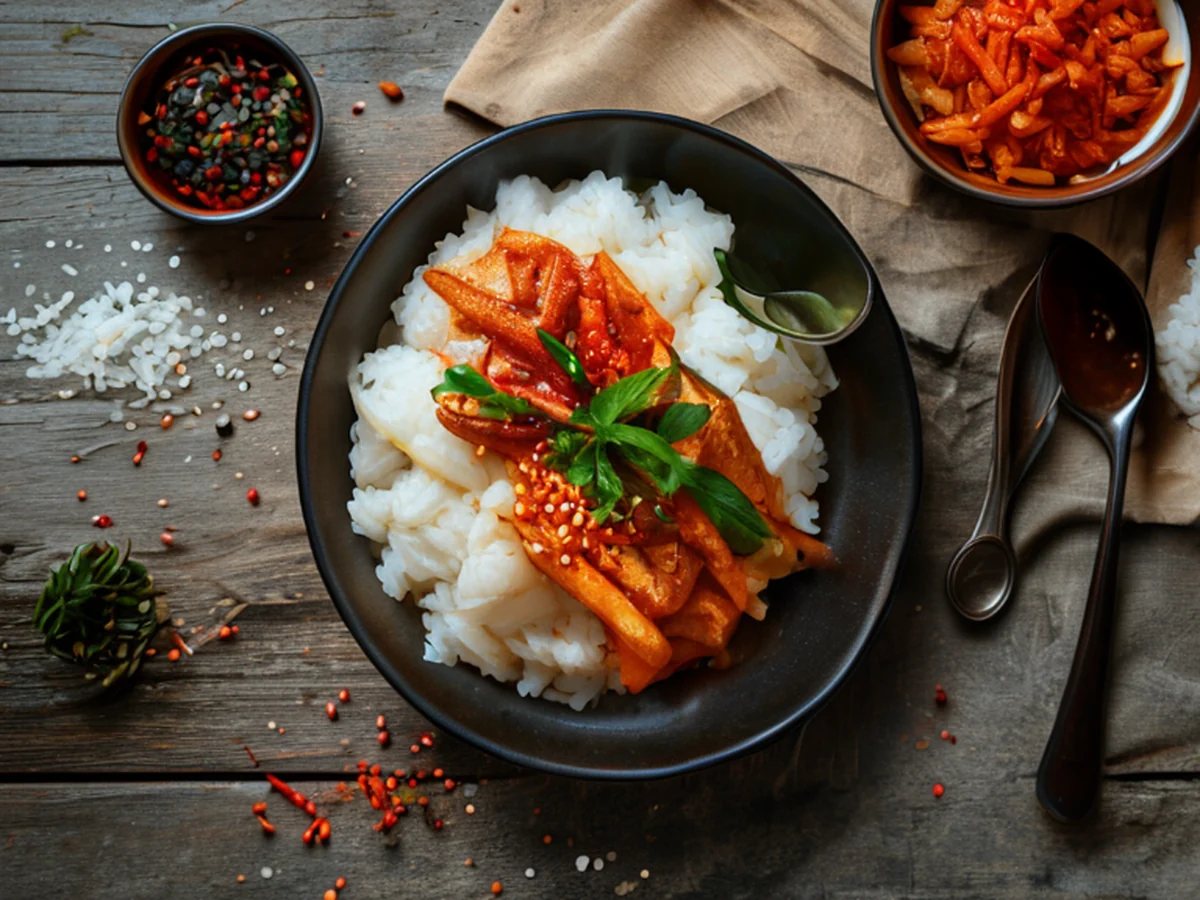
This guide covers flavor profiles, ingredient selection, and cooking techniques, while acknowledging that emotional stress can impact dietary choices.
What does the Sichuan Tteokbokki flavor actually taste like? At dusk in the dimly lit kitchen, I swallow hard as the numbing heat of the sichuan peppercorns hits my tongue.
A chef carefully balances fermented bean paste and chili oil in a heavy iron wok to create a deep, pungent aroma. The Sichuan Tteokbokki Guide focuses on the interplay between the chewy texture of rice cakes and the sharp, numbing heat of Sichuan peppercorns.
According to The National Commission, the National Commission for Knowledge and Use of Biodiversity (CONABIO) has digitized her research including a vast collection of recipes, drawings and notes both on cooking and native edible plants, resulting in a section of their website dedicated to her.
This specific combination ensures that every bite provides a consistent kick that lingers on the palate.
The spice level is the core of the experience, often utilizing dried chilies and various aromatics to build layers of flavor. While the heat is prominent, the underlying sweetness of the rice cakes provides a necessary contrast.
Achieving this balance is essential for anyone attempting to master the Sichuan rice cake dish style.
What ingredients do I really need for spicy rice cakes? Sichuan Tteokbokki Guide While standing in the pantry at noon, I reach for the dried chilies to begin my sichuan inspired recipe.
A cook measures out dried chilies and peppercorns, ensuring the spice levels are consistent before adding the base. For a successful spicy rice cake recipe, high-quality rice cakes serve as the foundation, providing the necessary chewiness.
The sauce typically requires a mix of spicy pastes, garlic, and sugar to create a complex profile.
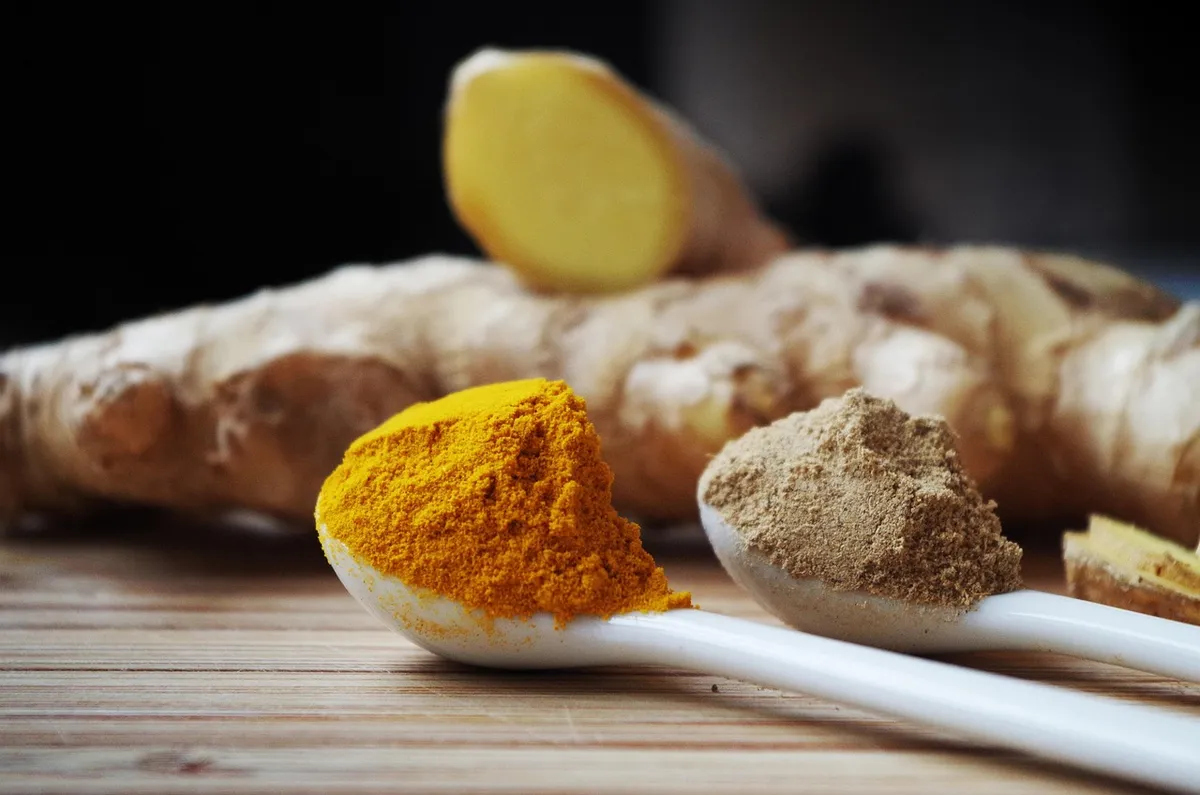
The selection of ingredients directly dictates the final quality of the dish. Using fresh aromatics like ginger and garlic can elevate the heat without making it one-dimensional. Maintaining a balance between the starch of the rice and the intensity of the spices is the primary goal.
How do you master Authentic Tteokbokki preparation?
A hand stirs the thick sauce through the simmering pot, watching as the starch thickens the liquid. To prepare authentic Tteokbokki, you must first soak the rice cakes to ensure they reach the perfect consistency without breaking.
According to the Underground Cooking Society, after losing a judged cooking battle to Mao, he was forced to quit as a chef—only to resurface as an Underground Cooking Society member.
The sauce should be simmered with aromatics first to fully develop the flavor before the rice cakes are added.
- Prepare the rice cakes by soaking them in warm water to soften the texture. 2. Sauté the aromatics and spice pastes in oil to release the essential oils. 3. Add the rice cakes and a controlled amount of broth, simmering until the sauce reaches a thick, coating consistency.
I noticed during my own attempts that the timing of adding the starch is crucial to prevent the sauce from becoming too thin. If the sauce is too watery, the rice cakes will not absorb the flavor properly.
What are the key steps for a Regional rice cake food technique?
A spatula scrapes the bottom of the pan to prevent the thick sauce from sticking to the heat. Mastering regional rice cake food techniques requires understanding how heat affects different types of rice cakes.
The goal is to achieve a sauce that is thick enough to cling to the ingredients without being overly heavy.
| Component | Purpose | Effect |
|---|---|---|
| Rice Cakes | Texture Base | Provides chewiness |
| Spice Paste | Flavor Core | Provides heat and depth |
A limitation of these techniques is that the specific heat required can vary significantly depending on the moisture content of the rice cakes used.
How does emotional stress affect eating habits?
A student sits at a desk, reaching for a snack during a late-night study session. The stress effect is particularly pronounced among college-aged women, with only 33% reporting healthy eating choices during times of emotional stress.
This reality often leads to a craving for bold, comforting flavors like spicy rice cakes.
Seeking comfort through food is a common response to pressure, making spicy and flavorful dishes highly popular. The intensity of the spice can act as a sensory distraction from daily stressors. Understanding these emotional drivers helps explain the global popularity of such flavorful meals.
- What does the Sichuan Tteokbokki flavor actually taste like?
- What ingredients do I really need for spicy rice cakes?
- How do you master Authentic Tteokbokki preparation?
This part also covers How to cook Tteokbokki.
Related
- Lao Xiao Ramen: How to make Lao Xiao Ramen with 120 proof
- 8 Regional Systems: Your Guide to China's Vast Cuisine
When is the heat most pronounced? The heat becomes most pronounced when the aromatics and spice pastes are sautéed in oil, allowing the essential oils to fully bloom before the rice cakes are introduced. This initial stage builds the deep foundation necessary for the dish's complexity. The slow simmering process allows the rice cakes to absorb this initial burst of heat and flavor simultaneously.
What is the role of the broth? The broth serves as the medium through which the flavors meld and the sauce achieves its desired body. It needs to be added in a controlled manner to allow the rice cakes to thicken the liquid naturally. If the broth is added too quickly or in excess, the resulting sauce may remain thin, failing to coat the rice cakes adequately.
How does the texture contribute to the overall heat experience? The chewy texture of the rice cakes provides a necessary anchor against the sharp, numbing quality of the Sichuan peppercorns. This contrast between the resilient body of the rice cake and the volatile quality of the spice creates the lingering sensation on the palate. The successful marriage of these textures is what defines the authentic profile of the dish.
Why is the initial stage so critical for the heat? 1. The aromatics and spice pastes must be sautéed in oil to properly release their essential oils. This initial step establishes the deep foundation required for the dish's complexity. This builds the necessary intensity before the rice cakes are introduced into the pot.
This blooming of oils is what carries the initial burst of the dish's heat. The slow simmering that follows allows the rice cakes to absorb this foundational heat and flavor simultaneously.

Comments 0