How to make Tanghulu at home: Guide to 149 °C syrup
"The sugar must reach a specific temperature to achieve that signature glass-like crunch."
To master the art of making Tanghulu at home, you must focus on the precise temperature of the sugar syrup and the moisture content of your fruit. This guide covers the essential ingredients, the heating process to reach the hard-crack stage, and practical tips for a successful coating.
What do I actually need to make Tanghulu? In the bright kitchen, I carefully slice firm fruit to make the base for the sweet treats.
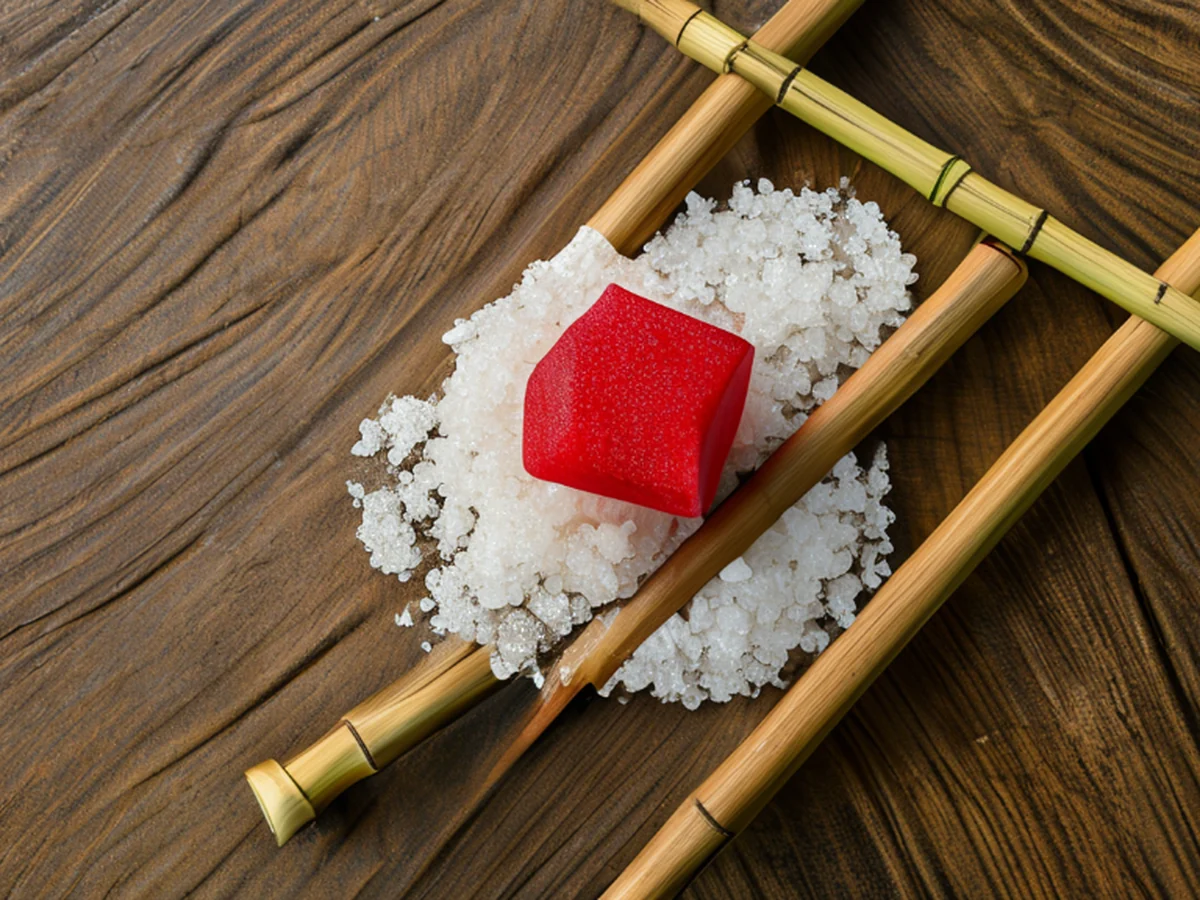
A person stands in a bright kitchen, washing bright red strawberries and slicing firm hawthorns on a wooden board. Preparing the base requires only two primary components: fresh fruit and granulated sugar.
The fruit serves as the juicy core, while sugar provides the structural shell. Selecting fruit with low water content ensures the syrup adheres properly without melting the coating. While various fruits work, the classic choice often involves firm, seasonal varieties.
However, the quality of the final crunch is limited if the fruit is too watery or bruised.
How to make Tanghulu at home using a microwave?
A hand reaches for a glass bowl in the dim kitchen to make the syrup, sliding it into the microwave as the heat begins to rise.
A hand reaches for a glass bowl, carefully measuring white sugar before sliding it into the microwave. One online method involved using a microwave in order to heat the sugar to the hard-crack stage, requiring temperatures of 300 °F (149 °C).
This streamlined approach simplifies the traditional stovetop method. To use this technique, follow these steps:
- Combine sugar and a small amount of water in a microwave-safe bowl. 2. Heat the mixture in short intervals, stirring occasionally to prevent uneven heating. 3. Monitor the syrup closely until it reaches the required 300 °F (149 °C) threshold.
I remember watching the syrup turn from a cloudy liquid to a clear, golden amber during my first attempt. Always ensure the fruit is completely dry before dipping to avoid the sugar sliding off.
- Combine sugar and water in a microwave-safe bowl.
- Heat the mixture in short intervals until it reaches a clear, syrupy consistency.
- Dip the fruit into the hot syrup and let it cool on parchment paper.
How do I get the perfect sugar coating? The golden syrup bubbles in a deep pot, casting a warm glow against the kitchen tiles. Achieving a thin, crunchy layer is the primary goal of any DIY fruit candy guide.
The coating should be thin enough to snap when bitten but thick enough to provide a barrier. If the syrup is too thick, the result becomes overly chewy rather than crunchy.
| Feature | Goal | Requirement |
|---|---|---|
| Syrup Texture | Hard-crack stage | 300 °F (149 °C) |
| Coating Thickness | Thin and brittle | Rapid dipping |
The table above shows the necessary conditions for a successful coating. Using a thermometer is a reliable way to ensure the sugar reaches the hard-crack stage.
I find that the third step is the most critical part of this process.
How to prevent the sugar from burning?
A chef carefully adjusts the heat, watching the steam rise from the pot. Managing the heat is the most critical part of the process to prevent bitterness.
If the sugar exceeds the target temperature too quickly, it will burn and taste bitter. If it does not reach the hard-crack stage, the coating will remain sticky and soft. Keep a bowl of ice water nearby to quickly test the syrup's consistency by dipping a spoon into the cold water.
Note that these techniques may not be effective if the heat source is too inconsistent.
What are some helpful tips for success?
A tray of finished treats sits on the counter, the sugar shells gleaming under the light. Successful results depend on managing temperature and moisture.
To ensure the best results, keep these points in mind: * Dry the fruit thoroughly with paper towels before dipping. * Use a thermometer to verify the syrup reaches 300 °F (149 °C). * Dip the fruit quickly into the syrup to maintain a thin layer.
A final check involves tapping the hardened sugar with a spoon to hear a clear, sharp sound. This sound confirms the sugar has reached the proper consistency.
The effectiveness of these tips is limited if the fruit is not completely dry before dipping.
The subject here is How to make Tanghulu at home.
The same subject is also called Easy Tanghulu recipe.
The same subject is also called Homemade candied fruit.
The same subject is also called Tanghulu ingredients list.
This part also covers Guangzhou style candy tips.
This part also covers Perfect sugar coating method.
This part also covers {.
Guangzhou style candy tips
Related
- Sichuan Tteokbokki Guide: Prepare with these key steps
- Lao Xiao Ramen: How to make Lao Xiao Ramen with 120 proof
Why is temperature control so important?
Temperature control ensures the sugar reaches the hard-crack stage. If the temperature is below 300 °F (149 °C), the coating will be sticky. If it exceeds this temperature, the sugar will burn and taste bitter.
According to The Ministry of the Interior, the Ministry of the Interior and Safety reported that 76 tanghulu stores closed in early May, higher than the number of stores closed at the same time last year.
Precision in heating is necessary to achieve the signature glass-like crunch. The syrup must reach the specific 300 °F (149 °C) threshold to ensure the coating is thin and brittle. If the syrup is too thick, the result becomes chewy instead of crunchy.
I believe the second point explains the core reason for this necessity.
What are the risks of moisture?
Moisture prevents the sugar from adhering properly to the fruit. If the fruit is not completely dry, the coating might slide off. Using fruit with low water content helps maintain the structural shell.
To avoid a soft coating, ensure the fruit is dry before dipping. A thin layer is achieved through rapid dipping. If the sugar is not at the correct temperature, the moisture from the fruit may prevent the shell from hardening into a brittle layer.
Why is the initial fruit preparation so important? The initial preparation of the fruit is vital because it dictates the success of the entire endeavor. 1. Slicing the fruit allows for consistent dipping, ensuring an even coating. 2. Selecting low-moisture fruit guarantees that the syrup adheres correctly without interference. 3. A sound base is necessary for the sugar to form a proper, brittle shell.
The integrity of the final product relies heavily on the quality of the starting materials. If the fruit possesses too much residual moisture, the sugar coating will not set properly. This moisture competes with the sugar attempting to crystallize into its desired glass-like state.
The combination of quality fruit and precise sugar temperature dictates the final texture. The sugar, when heated correctly, forms the structure, but the fruit must cooperate by being suitably dry. This synergy between the two components is what yields excellent Tanghulu.

Comments 0