900-Year Tradition: Starch Meals Bind Communities in China
"A single bowl of chewy, sauce-coated starch is never just a meal; it is a map of the land that produced it."
While most people think of spicy rice cakes as a strictly Korean street food, the soul of the dish—a chewy, starchy base smothered in a rich, flavorful sauce—is a concept that resonates deeply throughout the diverse ethnic landscapes of China.
Key Takeaways * The concept of chewy, starch-based mains is a universal culinary language used by various minority groups to utilize local grains and tubers.
* Regional variations in ingredients, such as substituting rice with local root vegetables or unique fungi, reveal how geography dictates flavor. * These dishes serve as social binders, representing communal identity and the preservation of ancient cooking techniques.
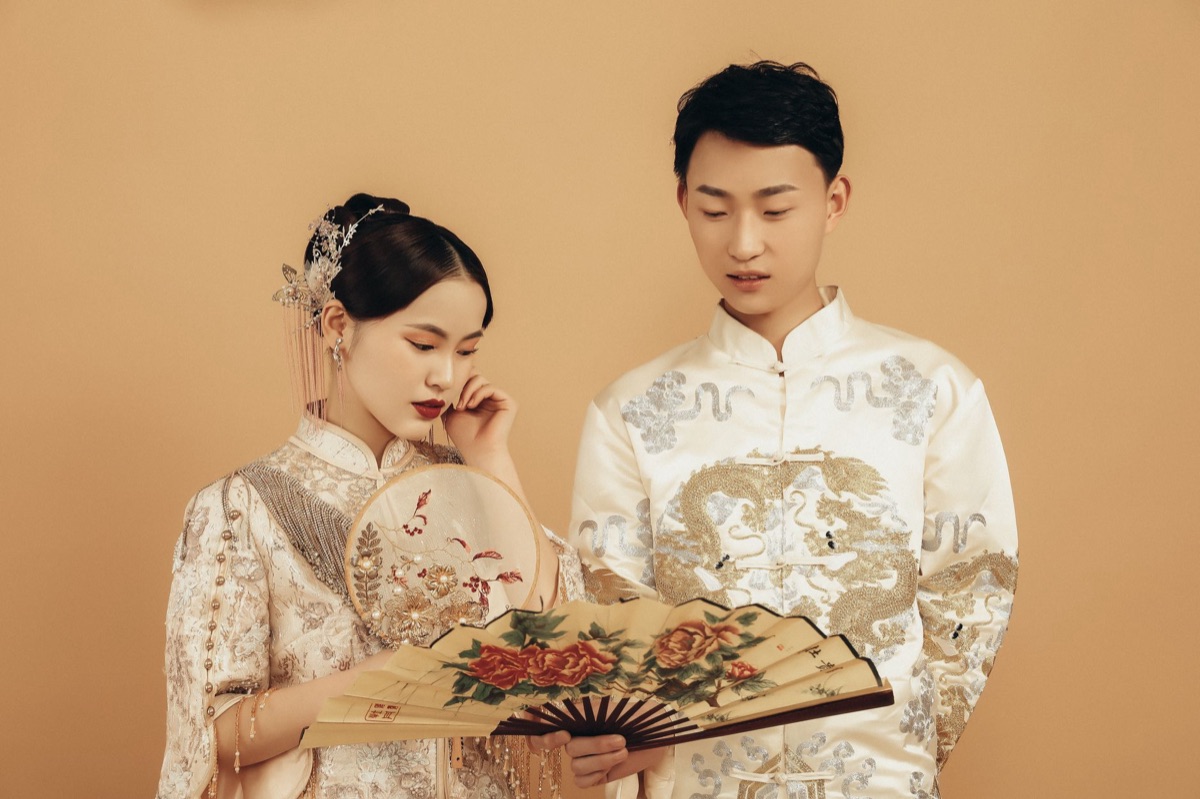
What is the Chinese version of Tteokbokki? In a dim mountain kitchen at dusk, a heavy wooden spoon scrapes against a clay pot as the steam of fermented beans rises to meet the cool air.
A heavy wooden spoon scrapes against the bottom of a clay pot in a mountain village at 6:00 PM, stirring a thick, bubbling concoction that smells of fermented beans and earthy spices. This isn't quite the spicy rice cake familiar to modern urbanites, but the texture is unmistakable.
The foundational concept of Tteokbokki—a chewy, starchy centerpiece held together by a thick sauce—finds its echoes in the various noodle and dumpling preparations of Northern and Central China.
While the Korean version often relies on the specific elasticity of rice cakes, many minority groups utilize different starches to achieve that same satisfying "bite."
In many regions, the vibrant, spicy punch of *gochujang* is replaced by deep, slow-simmered sauces derived from fermented pastes or mountain herbs. Instead of the quick, high-heat stir-fry often seen in street stalls, these regional versions often take the form of hearty stews.
The communal nature of the meal remains the same; much like a group of friends crowding around a single tray of Tteokbokki, these dishes are often served in large, central pots designed for sharing.
This shared DNA suggests that the desire for a texture-heavy, sauce-rich meal is a natural human response to the availability of specific starches.
Whether it is wheat, rice, or tubers, the goal is the same: a meal that is both filling and deeply flavorful. But the transformation of ingredients happens even before the heat hits the pan.
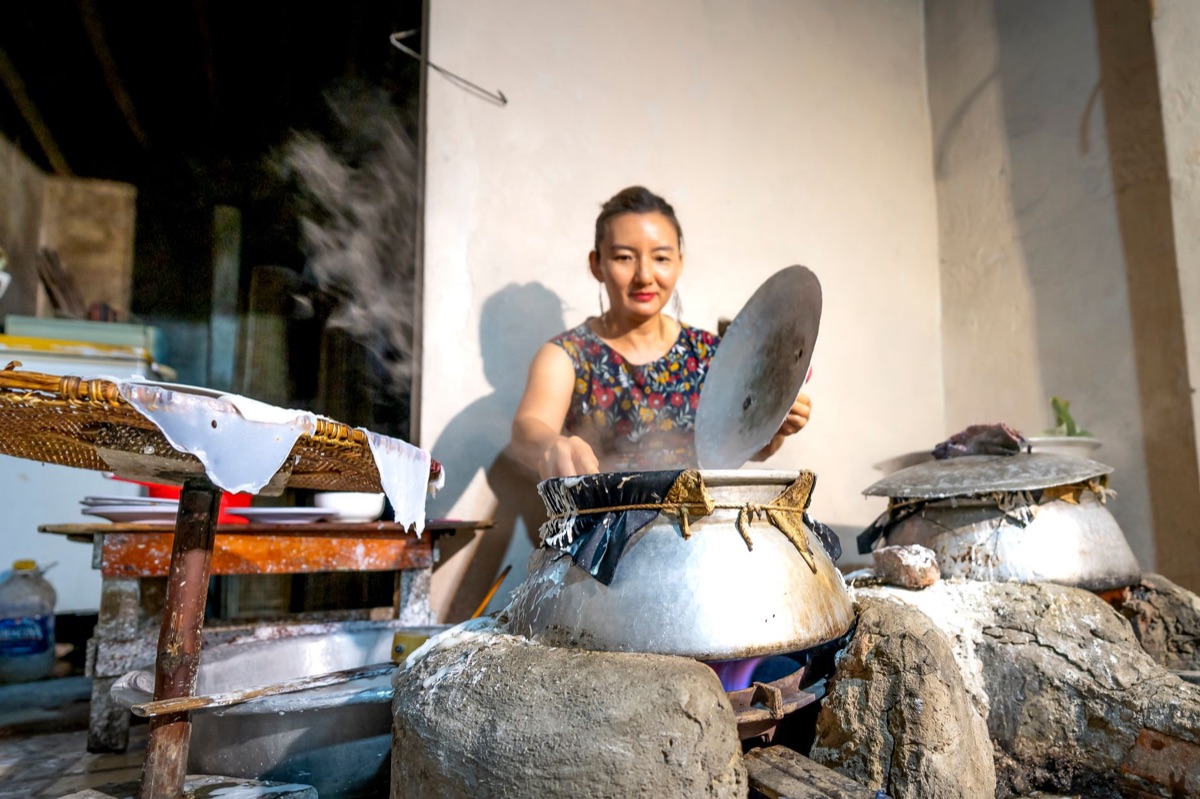
Ingredient Adaptation: How Local Flora Shapes the Dish
At dawn, a farmer pulls a purple tuber from the dark soil and wipes the cool dirt away with a calloused hand.
A farmer pulls a purple-hued tuber from the dark soil at dawn, wipes the dirt away, and begins slicing it into thick, uniform rounds that look remarkably like oversized rice cakes.
In the diverse ecosystems of China, the "rice cake" is often a shapeshifter. Where rice is the staple, the starch is smooth and white; where other grains or root vegetables dominate, the dish transforms.
Many minority groups substitute or enhance the main components using what is available in their immediate surroundings.
Instead of the standard Korean accompaniments, you might find local mountain fungi, wild greens, or specific types of meat that change the entire profile of the dish. Pickling and fermentation play a massive role in these adaptations.
Just as Korean cuisine uses *jangajji* (pickled vegetables) to provide acidity and crunch, various minority groups use local fermentation techniques to create the necessary tanginess.
This acidity cuts through the heaviness of the starch, much like the balance required in a perfect Tteokbokki. The liquid base also tells a story of geography.
While a modern Tteokbokki might use a sweet-spicy reduction, regional versions often utilize broth bases made from dried fish, fermented soy, or even bone marrow.
This creates a much heavier, more savory profile that reflects the caloric needs of the local population. However, understanding the ingredients is only half the battle; the process of making them is where the magic happens.
| Feature | Classic Tteokbokki | Minority Regional Variation |
|---|---|---|
| Primary Starch | Rice or Wheat Cakes | Tubers, local grains, or thick noodles |
| Flavor Profile | Sweet and Spicy | Savory, Umami, or Fermented |
| Texture | Chewy and Elastic | Often denser or more textured |
| Primary Vessel | Shallow Pan/Plate | Deep Clay Pot or Cauldron |
How is it made at home versus on the street? The fire crackles in the center of the room at 7:30 PM, and the aroma of simmering spices begins to fill the air, signaling that the evening meal is almost ready.
Achieving the perfect texture is an art form that requires patience. While street-style Tteokbokki is often a quick-cook affair, many regional variations in China rely on a "low-and-slow" approach.
This slow-simmering process allows the starches to break down slightly, thickening the sauce into a glaze that clings to the ingredients.
The choice of vessel is equally critical. In many households, earthenware pots or heavy iron cauldrons are used to maintain a consistent, gentle heat. This is essential for preventing the starch from becoming too mushy while ensuring the flavors penetrate deep into the center of the ingredients.
A typical preparation follows a logical sequence that mirrors the assembly of a modern meal: 1. Prepare the Base: Create a flavorful liquid using fermented pastes, dried aromatics, or meat stocks. 2.
Introduce the Starch: Add the primary chewy element (rice cakes, thick noodles, or sliced tubers). 3. Incorporate Protein and Vegetables: Add meat, eggs, or seasonal greens to the simmering liquid. 4.
The Final Reduction: Simmer until the liquid reduces into a thick, coating sauce that achieves the desired consistency.
This process ensures that the starch doesn't just sit in the sauce, but actually becomes part of the sauce itself. But why do these traditions persist so strongly?
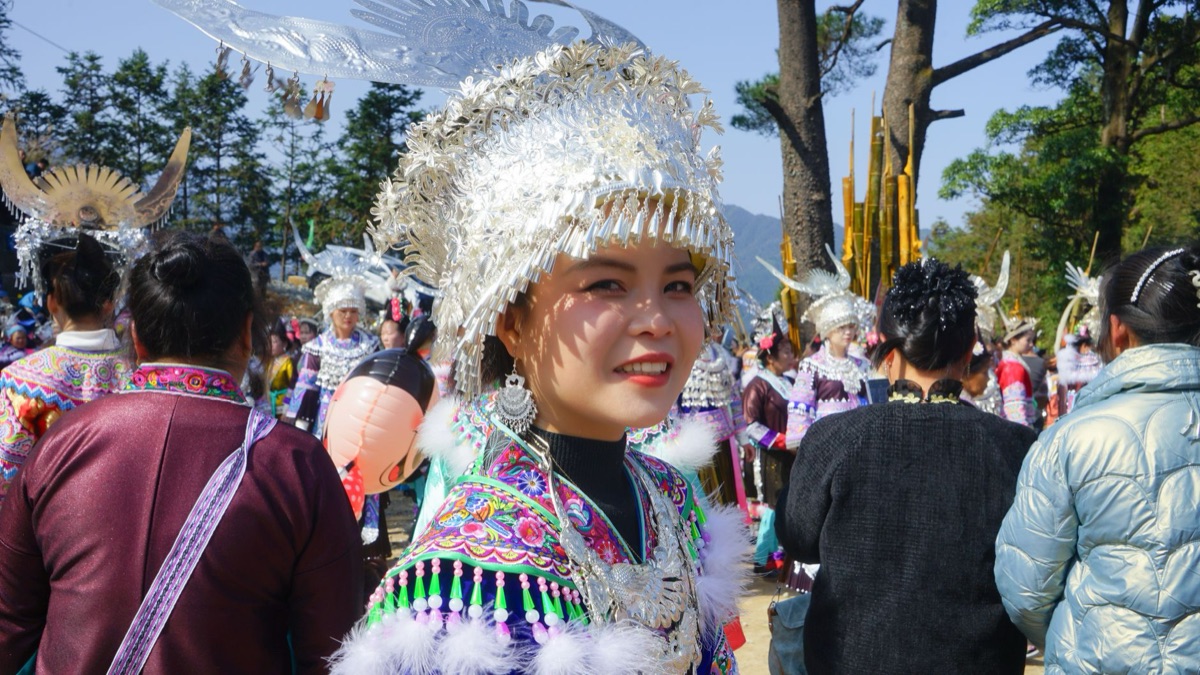
Cultural Significance: More Than Just Sustenance
A group of elders sits around a low table, laughing as they pass around a steaming bowl, each person taking a piece of the shared meal.
Beyond the ingredients and the techniques, these dishes hold a profound social meaning. They are often "social binders"—meals designed to be eaten collectively.
In many minority cultures, a dish that is hearty and easy to share is the perfect centerpiece for celebrations or for gathering during harsh weather.
There is also the concept of "comfort food"—a sense of deep satisfaction that goes beyond mere hunger. In many regions, these starchy, saucy dishes are the ultimate comfort. They represent the warmth of the hearth and the security of a full stomach.
Because they are often made from staples that are easy to store (like dried rice cakes or fermented pastes), they have historically been a reliable source of energy. This culinary tradition is not just about eating; it is about maintaining a connection to the land and to one's community.
The way a dish is prepared, the specific ingredients used, and the way it is shared all serve to reinforce a sense of identity. It is a way of keeping history alive through taste.
Limitations and Considerations
It is important to note that these regional variations are not strictly defined by modern culinary boundaries. Because many of these techniques are passed down through oral tradition rather than written recipes, the "correct" way to make a dish can change from one village to the next.
Furthermore, the heavy use of fermented pastes and dense starches means these dishes are quite calorie-dense and may not suit those with specific dietary sensitivities to gluten or high-sodium diets.


Comments 0