Tteokbokki: Starch Dish Echoes 1000 Years of Migration
"A single bowl of rice cakes can tell the story of a thousand years of migration, survival, and celebration."
How does a vibrant, spicy dish like Tteokbokki echo the deep, varied culinary roots found among China’s diverse minority groups? While we often see it as a trendy street food, its essence lies in the fundamental relationship between starch, spice, and community.
Key Takeaways: * The universality of comfort food: Simple ingredients like rice cakes carry deep cultural weight across different ethnic groups. * The journey of flavor: Tracing parallels between modern Tteokbokki and regional starchy staples found in minority cuisines.
* Beyond the surface: Understanding how a dish moves from a survival staple to a celebrated cultural narrative.

What exactly is Tteokbokki? I remember sitting on a small, plastic stool in a narrow alleyway in Seoul on a rainy Tuesday in 2025, the steam from a bubbling pot rising to meet the cool evening air. The vendor handed me a bowl of bright red, chewy rice cakes, and suddenly, the world felt much smaller and much warmer.
Tteokbokki is a dish centered on *garae-tteok*—cylindrical, chewy rice cakes—simmered in a thick, spicy sauce typically made from *gochujang* (red chili paste). It is the ultimate comfort food, balancing a heavy, satisfying chew with a sharp kick of heat and a subtle hint of sweetness.
In its modern form, it is a global phenomenon, often topped with melting cheese or loaded with fish cakes. However, its roots are much older. Before it was a spicy street snack, similar rice-based dishes were often prepared in soy-based, savory sauces for royal tables.
This transition from a refined, quiet dish to a loud, spicy, communal favorite mirrors how many traditional foods evolve as they move from palace kitchens to the hands of the people.
As we look closer, we see that this isn't just a Korean specialty, but a window into how different cultures handle the humble grain. But why does this specific texture resonate so deeply across borders?
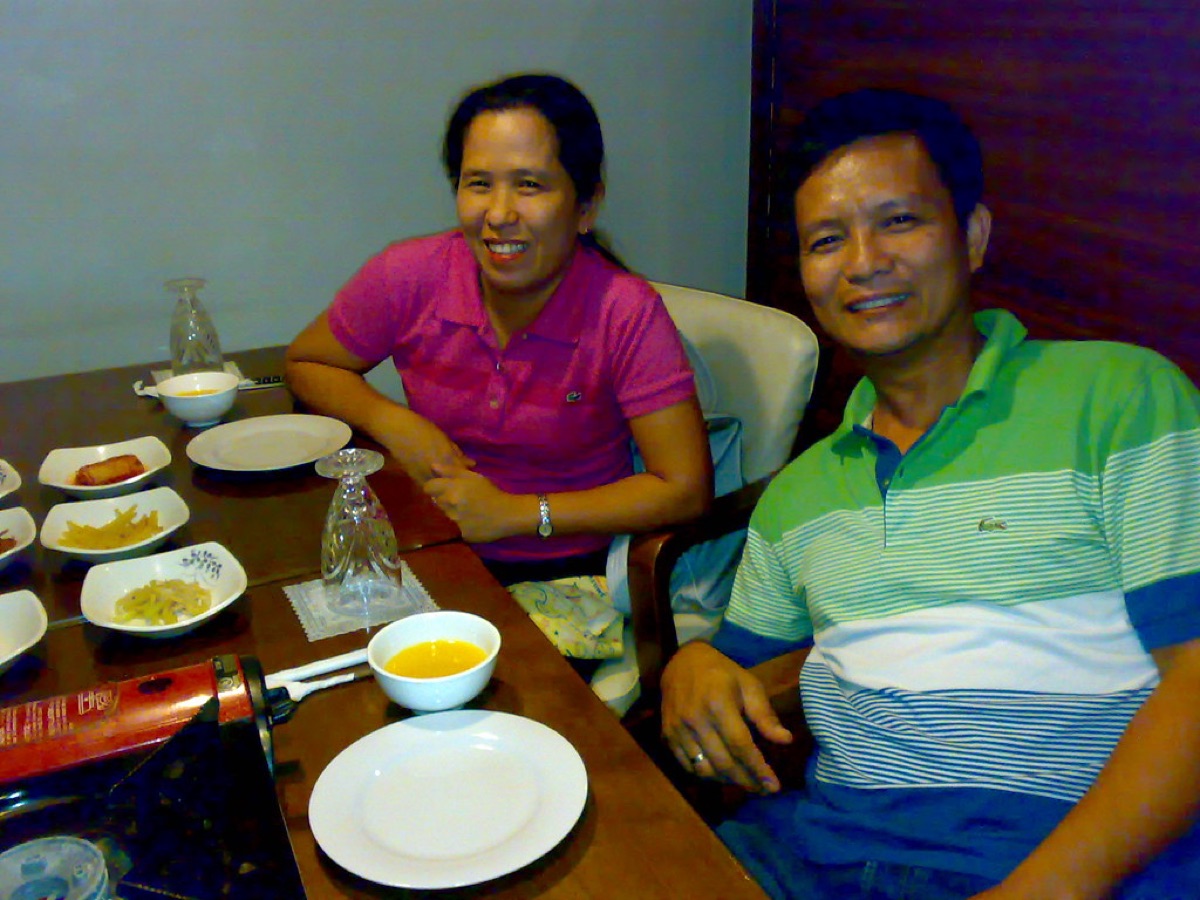
What are Tteokbokki's diverse cousins? Walking through a bustling market in Yunnan or a quiet village in Guizhou in the spring of 2026, you realize that the "starchy vehicle" is a universal language.
In many Chinese minority cultures, rice and various grains are not just food; they are the foundation of identity. Just as Tteokbokki uses rice cakes to carry flavor, many ethnic groups in Southwest China use rice noodles, glutinous rice balls, or thick rice flour cakes to anchor their meals.
The concept of a thick, seasoned sauce coating a dense starch is a recurring theme in regional diversity.
For instance, the heavy, spice-laden stews of certain highland groups share a functional DNA with Tteokbokki: they provide high-calorie, soul-warming sustenance for people living in rugged terrains.
Whether it is a rice cake in Seoul or a thick rice-flour noodle in a remote mountain village, the goal remains the same: to turn a humble, shelf-stable starch into a centerpiece of flavor. This shared culinary logic connects a modern city-dweller to a farmer in a distant province.
This connection suggests that flavor profiles aren't just random; they are engineered for survival and satisfaction. This leads us to the science of the bite itself.
Deconstructing the Flavor Profile: A Journey Through Ingredients
I once tried to recreate a specific spicy sauce using only dried peppers and salt in my own kitchen, only to realize that the depth of flavor was missing a crucial, fermented element.
The magic of Tteokbokki lies in the interplay of three pillars: sweetness, spiciness, and umami. The *gochujang* provides the fermented depth, while sugar or corn syrup adds a glossy sheen and a mellow sweetness that cuts through the heat.
When we compare this to regional Chinese seasonings, we see fascinating parallels. While Tteokbokki relies heavily on fermented chili paste, many minority dishes use fermented bean pastes or chili oils to achieve a similar complexity.
The additions—fish cakes, boiled eggs, or even fried dumplings—act as texture modifiers. Just as a dish might be customized with different mountain herbs or fermented vegetables in a minority household, Tteokbokki is a canvas.
You can lean into the seafood umami with dried anchovies or go for a creamy, modern texture with cheese. But how do we move from the theory of flavor to the reality of the table?
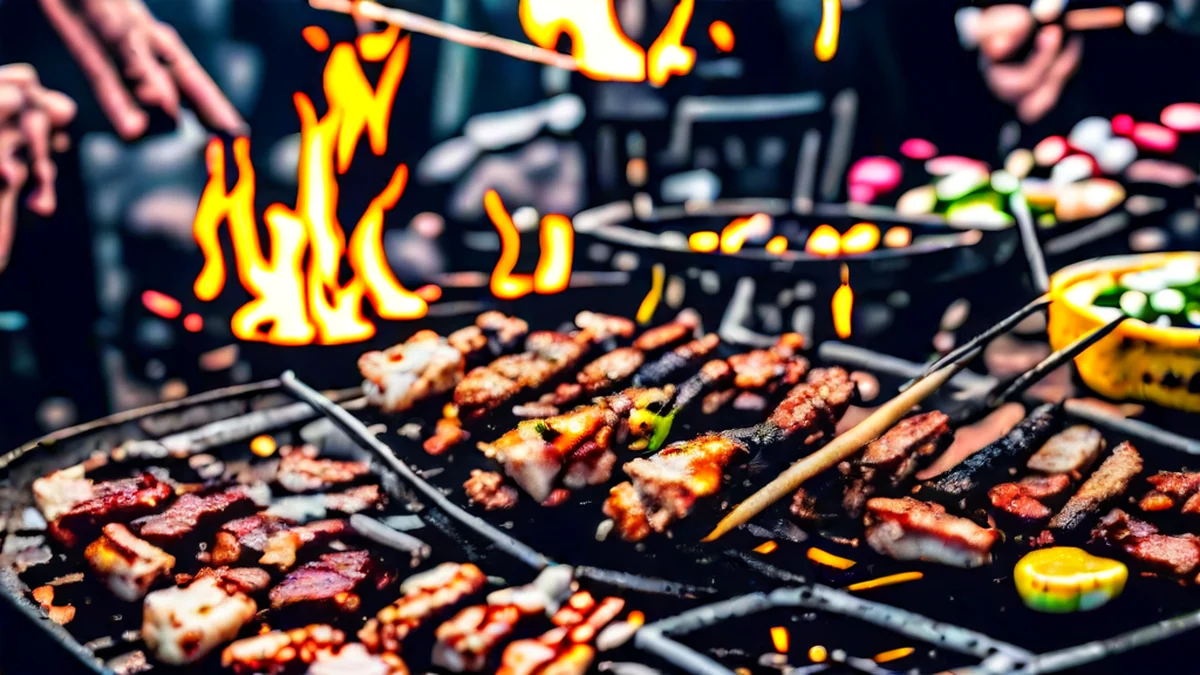
From Street Stall to Hearth: The Ritual of Eating
The vendor wiped the counter with a rag at 6:30 PM, looking up as a group of students approached, their laughter cutting through the sound of passing traffic.
Tteokbokki is rarely a solitary meal. It is a dish of the "in-between" moments—a quick lunch between classes, a late-night snack with friends, or a shared treat during a festival.
This communal aspect is a cornerstone of dining in many minority cultures, where meals are often served in large, central pots meant for sharing. In many traditional settings, the ritual of eating involves a communal pot where everyone dips in, reinforcing social bonds.
This mirrors the way many ethnic groups share a single steaming pot of rice-based stew or a communal noodle soup. The act of eating together, often using chopsticks to navigate thick, sauce-coated pieces, makes the meal an interactive experience.
It is not just about consumption; it is about the shared rhythm of the meal.
If you want to bring this ritual and flavor into your own life, you need a reliable method.
Bringing the Story Home: A Modern Adaptation
To bring this flavor into your own kitchen, you don't need a professional kitchen, just a bit of patience and the right balance of ingredients.
Ingredients List * 500g (approx. 1.1 lbs) Korean rice cakes (*garae-tteok*), soaked in warm water for 20 minutes * 2 sheets of fish cakes, cut into triangles * 2 cups of water or anchovy-kelp stock * 3 tablespoons *gochujang* (Korean red chili paste) * 1 tablespoon soy sauce * 1 tablespoon sugar * 1 tablespoon Gochugaru (Korean chili flakes) — adjust for heat preference * 1 clove of garlic, minced * 1/2 white onion, sliced * 1 hard-boiled egg * 1 teaspoon sesame oil * 1 teaspoon toasted sesame seeds (for garnish)
Step-by-Step Cooking Guide
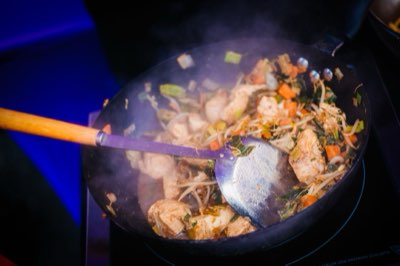
- Prepare the Base: In a wide, shallow pan, combine the water (or stock), *gochujang*, soy sauce, sugar, chili flakes, and minced garlic. Bring the mixture to a gentle simmer over medium heat, whisking until the paste is fully dissolved.
- Sauté the Aromatics: Add the sliced onions to the simmering sauce. Let them cook for about 2 minutes until they begin to soften and absorb the red hue.
- Simmer the Rice Cakes: Add the soaked rice cakes to the pan. Turn the heat down to medium-low. This is crucial; you want the rice cakes to soften slowly without sticking to the bottom. Stir occasionally to ensure even coating.
- Add Protein: Once the rice cakes are tender and the sauce has begun to thicken, add the fish cakes and the hard-boiled egg.
- The Final Reduction: Continue to simmer for another 3-5 minutes. The sauce should reduce into a thick, glossy glaze that clings heavily to the rice cakes. If it gets too thick, add a splash of water.
- Finish and Serve: Remove from heat. Droll with sesame oil and sprinkle with toasted sesame seeds.
Pro Tip: For a deeper, more authentic "aged" flavor, use a mix of *gochujang* and a small amount of fermented bean paste (*doenjang*). If you want a more luxurious texture, add a splash of heavy cream or a slice of American cheese right before serving to create a "Rose" style sauce.
| Feature | Traditional Style | Modern/Street Style |
|---|---|---|
| Primary Texture | Soft, thick, and heavy | Chewy, bouncy, and glossy |
| Dominant Flavor | Savory, soy-based, subtle | Spicy, sweet, and bold |
| Common Additions | Beef, mushrooms, soy-braised | Cheese, ramen noodles, fish cakes |
Comments 0