Shelf life guide for Ethnic Tteokbokki Home Recipe
"The perfect noodle relies on the delicate balance of protein, moisture, and heat to ensure the texture remains consistent from the factory to the dinner table."
You will learn about protein levels, moisture control, and dehydration methods to ensure your noodles do not break during processing.
How can I select the right flour for an Ethnic Tteokbokki Home Recipe?
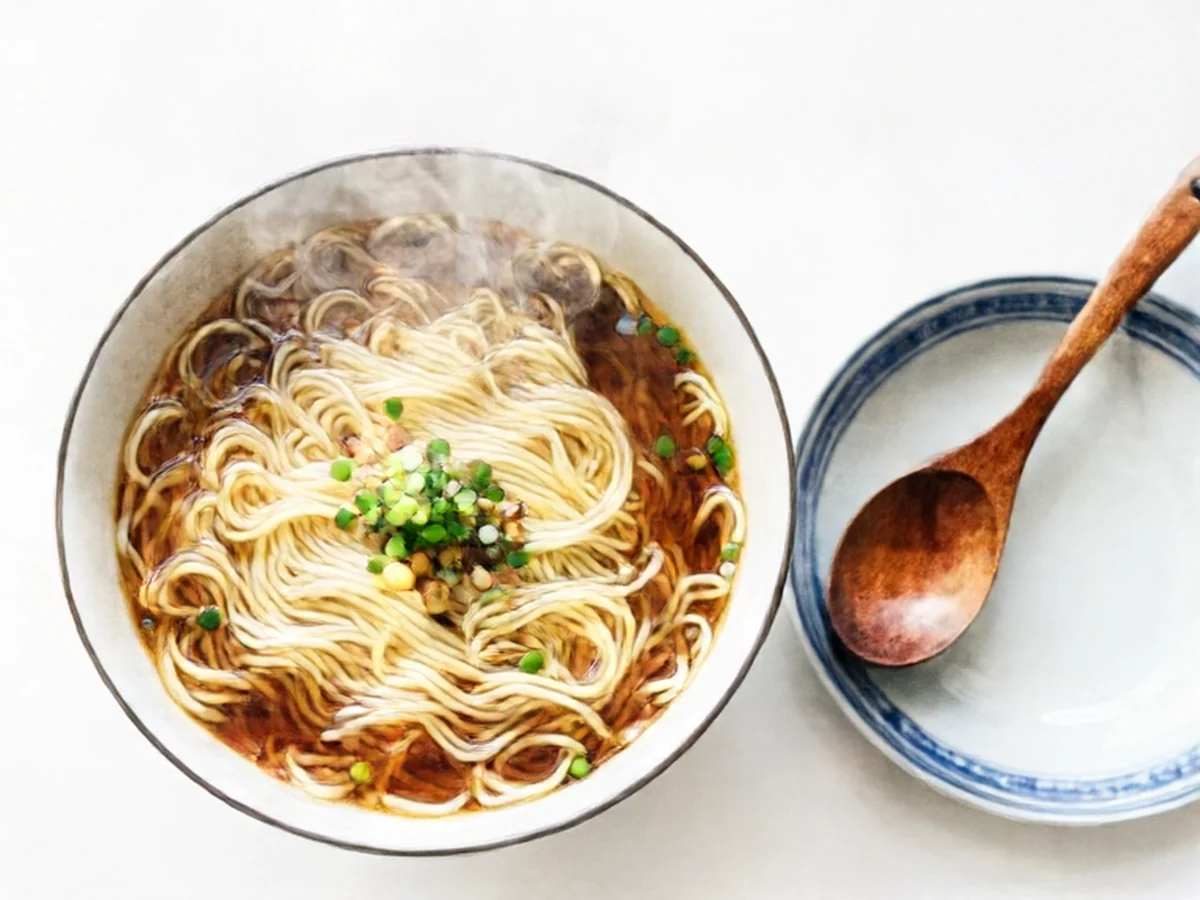
A person stands in a kitchen, running dry flour through their fingers to feel the texture before mixing it with water. Selecting the right flour is the first step in an Ethnic Tteokbokki Home Recipe because the protein content determines the structural integrity of the noodle.
This requires a higher amount of protein in the flour to maintain stability.
Additionally, during the frying process, a high protein content can help decrease the fat uptake.
How much moisture and fat do I need for my DIY tteokbokki?
At dawn, I reach for the heavy jar on the shelf and feel the slick oil coating my skin. At dawn, I reach for the heavy jar on the shelf and feel the slick oil coating my skin as I prepare the dough.
An artisan carefully monitors the steam rising from a tray of noodles to ensure they reach the perfect level of dryness. Understanding the relationship between moisture and fat is vital for an Ethnic Style Tteokbokki DIY to ensure shelf life and texture.
According to the USDA, oil-fried instant noodles should not have a combined fat content of ingredients and frying higher than 20% of total weight. In contrast, non-fried instant noodles should have a fat content lower than 3%.
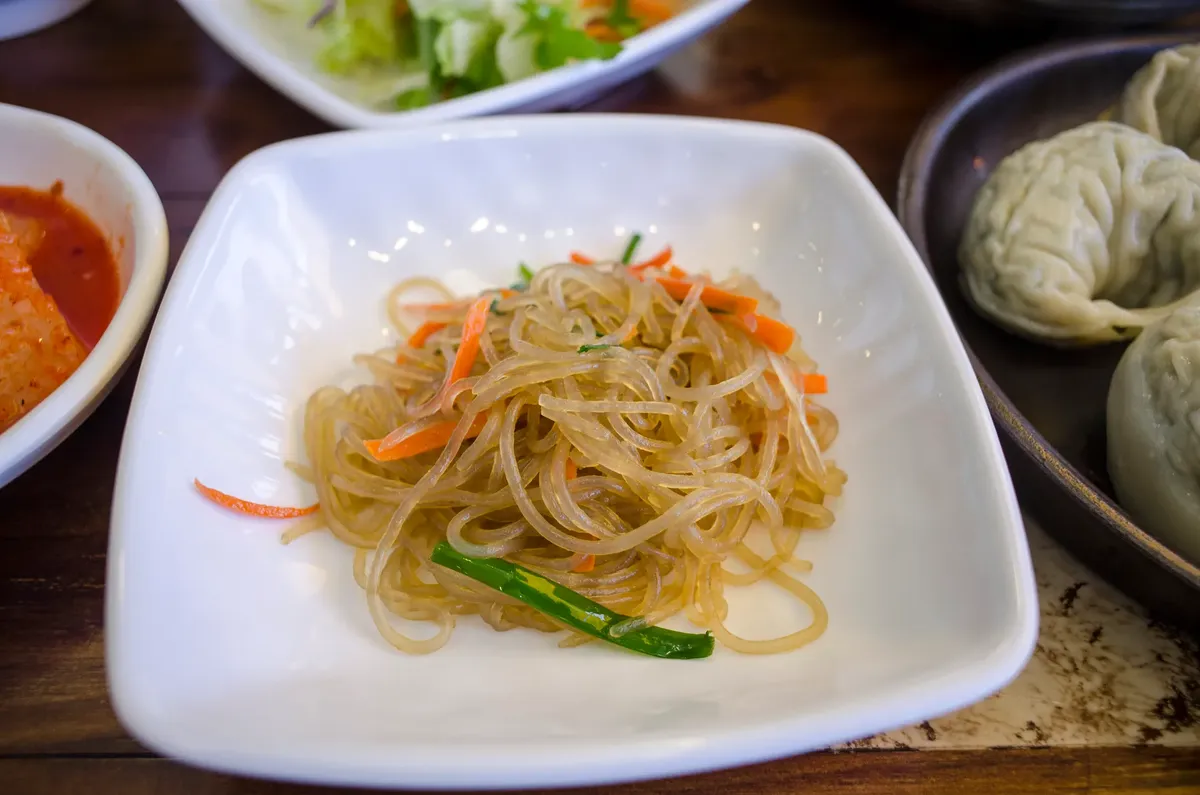
These regulations ensure that the fat levels remain within safe and palatable limits for consumers.
How do dehydration methods affect an Ethnic Food Cooking Guide?
A chef adjusts the temperature of a hot air dryer to prevent the noodles from becoming too brittle. Different drying techniques result in vastly different textures and moisture levels, which is a key consideration in an Ethnic Food Cooking Guide.
Fried instant noodles are dried by oil frying for 1–2 minutes at a temperature of 140–160 °C (284–320 °F). This process decreases the moisture content from 30–50% to 2–5%.
Conversely, air-dried noodles are dried for 30–40 minutes in hot air at a temperature of 70–90 °C (158–194 °F), resulting in a moisture content of 8–12%.
| Method | Moisture Content |
|---|---|
| Oil-fried | 2–5% |
| Air-dried | 8–12% |
I observed that the choice between these methods fundamentally changes the final product's snap and mouthfeel.
How do I make my own ethnic-style tteokbokki? A cook carefully shapes dough into long strands before placing them into a steamer to set the texture. To achieve the right consistency, one must follow a precise sequence of steps.
- Prepare the dough by ensuring the water absorption level stays between 30% and 38% of the flour weight to prevent stickiness or incomplete hydration. 2. Shape the noodles and steam them for 1–5 minutes at 100 °C (212 °F) to improve texture through starch gelatinization. 3. Apply the chosen dehydration method, such as frying or air-drying, to reach the target moisture level.
A final check of the moisture levels ensures the noodles meet the desired standards for their specific production method.
How does shelf life affect an Ethnic Tteokbokki Home Recipe?
A person checks the expiration date on a package of noodles before storing them in a pantry. The method of production directly dictates how long the noodles can be kept before they lose quality.
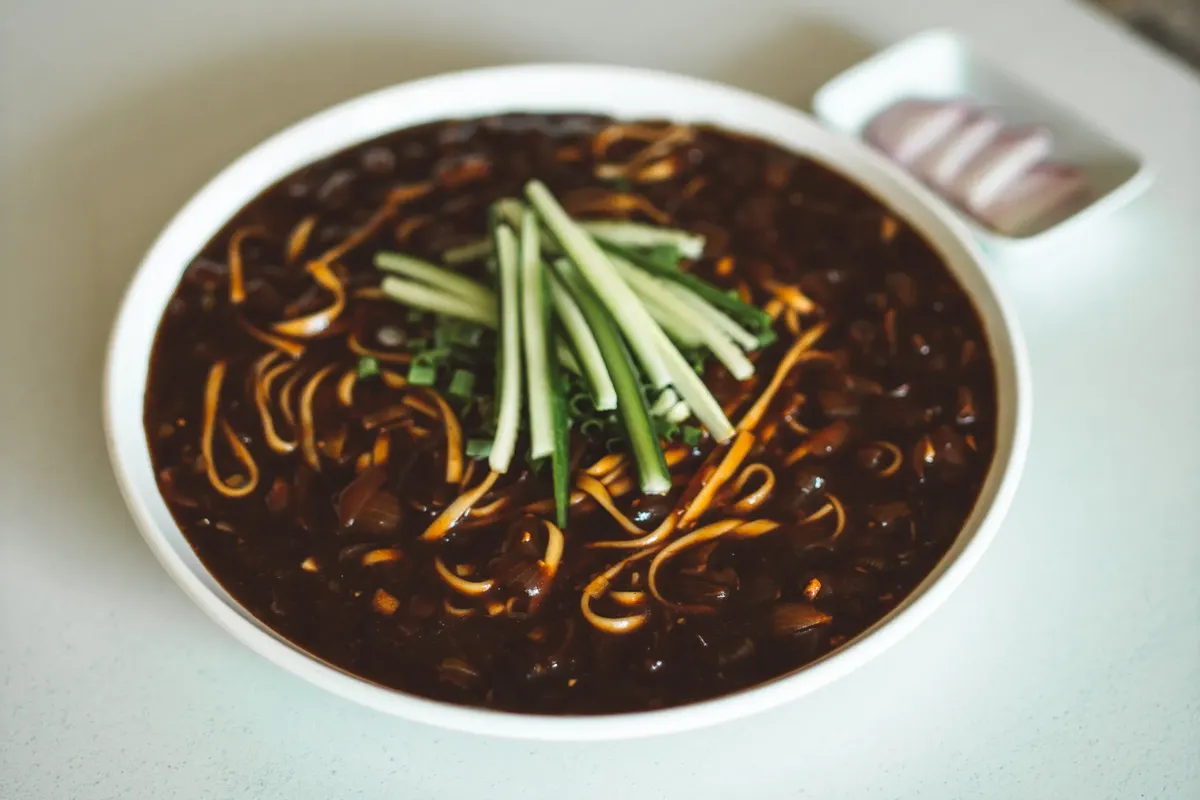
The shelf life of instant noodles ranges from 4–12 months, depending on the method of production and environmental factors. In fried noodles, the oil content is about 15–20%, which can decrease the shelf life due to oxidation.
In hot-air dried noodles, the oil content does not go above 3%, which affects how the product ages.
What are the limitations of an Ethnic Tteokbokki Home Recipe?
A baker looks at a cracked noodle, noting that the protein was insufficient for the drying method used. While these technical steps provide a foundation, certain conditions can interfere with the results.
A limitation of these methods is that if the water absorption level is too low, the dough will be too sticky to handle during processing. This can lead to shape irregularities or breakage during the steaming and drying phases.
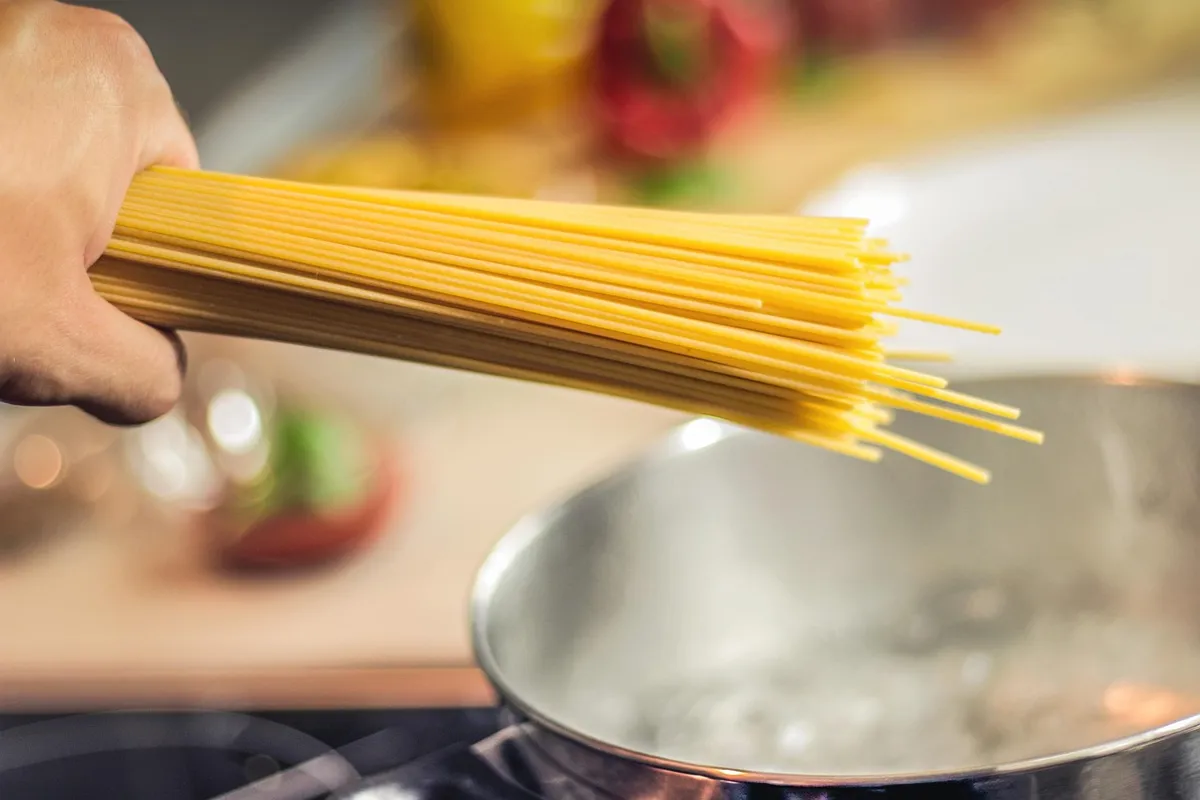
- This guide provides a comprehensive look at the technical requirements for creating high-quality instant noodles at home or in a production setting.
- This guide covers the essential science of noodle making, though it is limited to the technical parameters of instant noodle production rather than specific ethnic flavor profiles.
- For instant noodles, flours that have 8.5–12.5% protein are optimal because noodles must be able to withstand the drying process without breaking apart.
The same subject is also called Rare Ethnic Rice Cake Guide.
The same subject is also called Homemade Ethnic Rice Cake.
This part also covers Unique Ethnic Cooking Tips.
This part also covers Ethnic Tteokbokki History.
This part also covers Evolving Ethnic Food Recipe.
Unique Ethnic Cooking Tips
Related
- Lao Xiao Ramen: How to make Lao Xiao Ramen with 120 proof
- Spicy Rice Cake Recipe: Extra-Firm Tofu Guide
How does the initial dough preparation affect the final perfect noodle structure?
The initial dough preparation dictates the ultimate success of the perfect noodle, as its consistency influences how well it survives the rigorous drying process.
If the dough is improperly hydrated, the resulting noodle strands will exhibit structural weaknesses that become apparent during thermal treatments.
- Ensuring the water absorption level is correct is crucial because this step sets the foundation for the noodle's ability to maintain its shape. 2. The subsequent steaming phase relies on this initial hydration to achieve the desired texture through gelatinization. 3. The final dehydration step then locks in the structure established during the initial mixing stages.
What factors influence the shelf life of the perfect noodle?
The method of dehydration significantly impacts how long the perfect noodle remains viable. Oil-fried noodles, which contain more fat due to the frying process, are susceptible to oxidation, which limits their storage duration.
Conversely, air-dried noodles, having less added oil, maintain their quality for a longer period.
The stability of the perfect noodle is directly linked to its moisture content upon completion of the drying phase. Achieving the correct moisture level prevents microbial growth and degradation during storage. Therefore, the drying technique must match the intended shelf life.
When is the perfect noodle most susceptible to structural failure?
The perfect noodle is most vulnerable during the transition from hydrated dough to dried strand. If the initial dough preparation is flawed, the noodle strands will struggle to maintain integrity during the thermal treatments.
This weakness becomes apparent when the noodle undergoes the stresses of drying.
- The dough's initial hydration level determines its resilience throughout the subsequent stages. 2. The steaming process sets the texture, but the dehydration process locks in the final structure. 3. Any weakness from the first stage compromises the noodle's ability to survive the drying phase.
The successful combination of these stages ensures the perfect noodle achieves its desired final state.
Comments 0