8 Must-Try Dim Sums: Har Gow to Egg Tarts, A Ritual
"To eat dim sum is to participate in a conversation that has lasted for generations."
Dim sum is far more than a collection of small plates; it is a ritual of connection, a morning ceremony that defines the rhythm of life in Guangdong. To truly understand it, one must look past the steam and see the artistry of balance between texture, flavor, and tradition.
Key Takeaways: * Dim sum is a multi-course ritual of "Yum Cha" (drinking tea), not just a quick snack. * Success lies in understanding the delicate balance of wrapper texture and filling moisture. * Mastering the "golden ratio" of ingredients is the secret to authentic Cantonese flavor.
The Morning Ritual: Why We Gather for Dim Sum
The sun creeps over the skyline of Guangzhou in the early morning of 2026, a city that spans 7,434.4 square kilometers of bustling energy, and the steam begins to rise from bamboo baskets in every corner of the district.
I remember sitting in a crowded tea house in Yuexiu at 7:30 AM, the air thick with the scent of jasmine and toasted flour, watching elders tap the table to signal a polite greeting to a neighbor.
In Cantonese culture, dim sum is inextricably linked to *Yum Cha*, which literally translates to "drinking tea." While the food is the star, the tea is the soul of the meal.
It is a morning ritual designed to foster community, where families and friends gather to catch up over small, handcrafted bites.
The flavor profile of dim sum is characterized by subtlety. Unlike the heavy spices of Sichuan or the bold oils of Hunan, Cantonese dim sum focuses on the natural essence of ingredients—the sweetness of fresh shrimp, the savory depth of roasted pork, and the delicate aroma of steamed dough.
It is a culinary dance of lightness and precision.
Because the city is so vast, with a population that reached 18,676,605 according to the 2020 census, these morning gatherings serve as a vital social glue, bringing people from various urban districts together at a single table.
But as the morning progresses, the complexity of the menu can become overwhelming for the uninitiated.
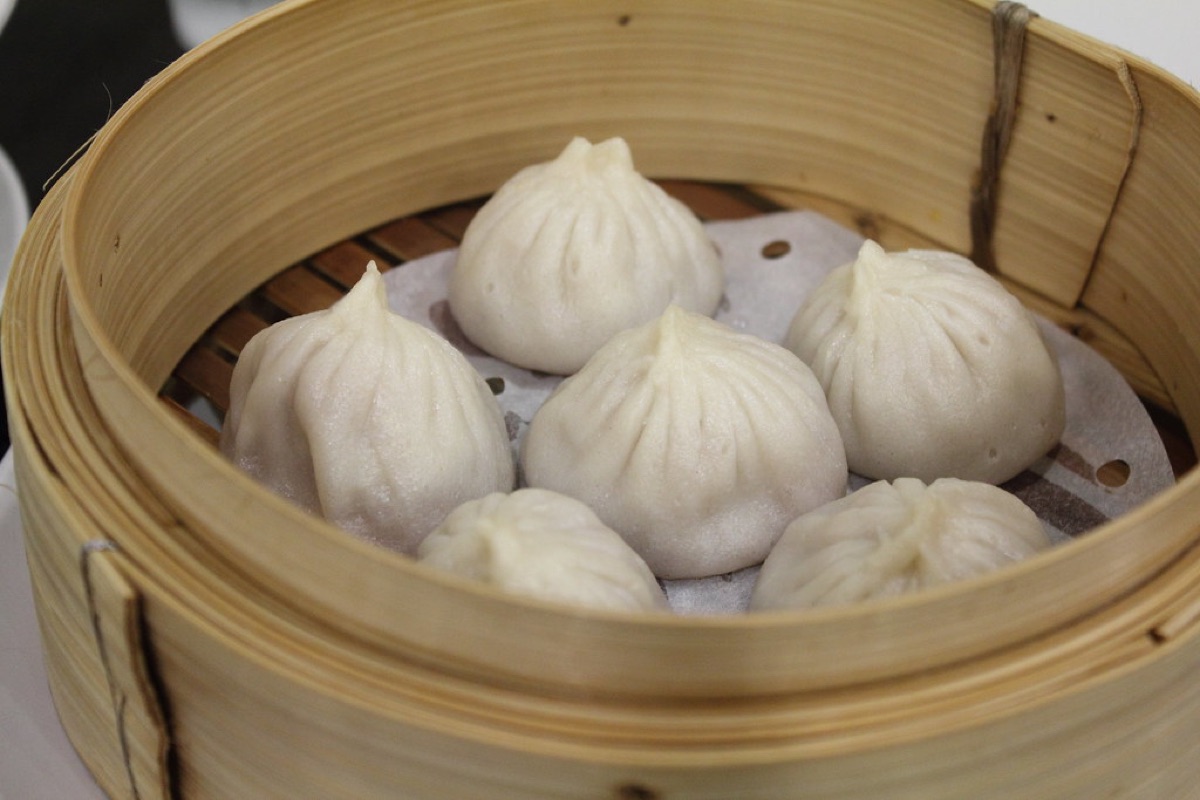
What are the different varieties of dim sum? A waiter approaches the table at 8:15 AM, balancing a stack of bamboo steamers that look like a miniature wooden tower. He sets them down with a practiced hand, the steam billowing out to reveal a translucent shrimp dumpling.
To navigate a dim sum menu, you must first understand the three main categories of items.
The Classics: The Must-Tries These are the pillars of any dim sum breakfast. If you are new to the cuisine, start here.
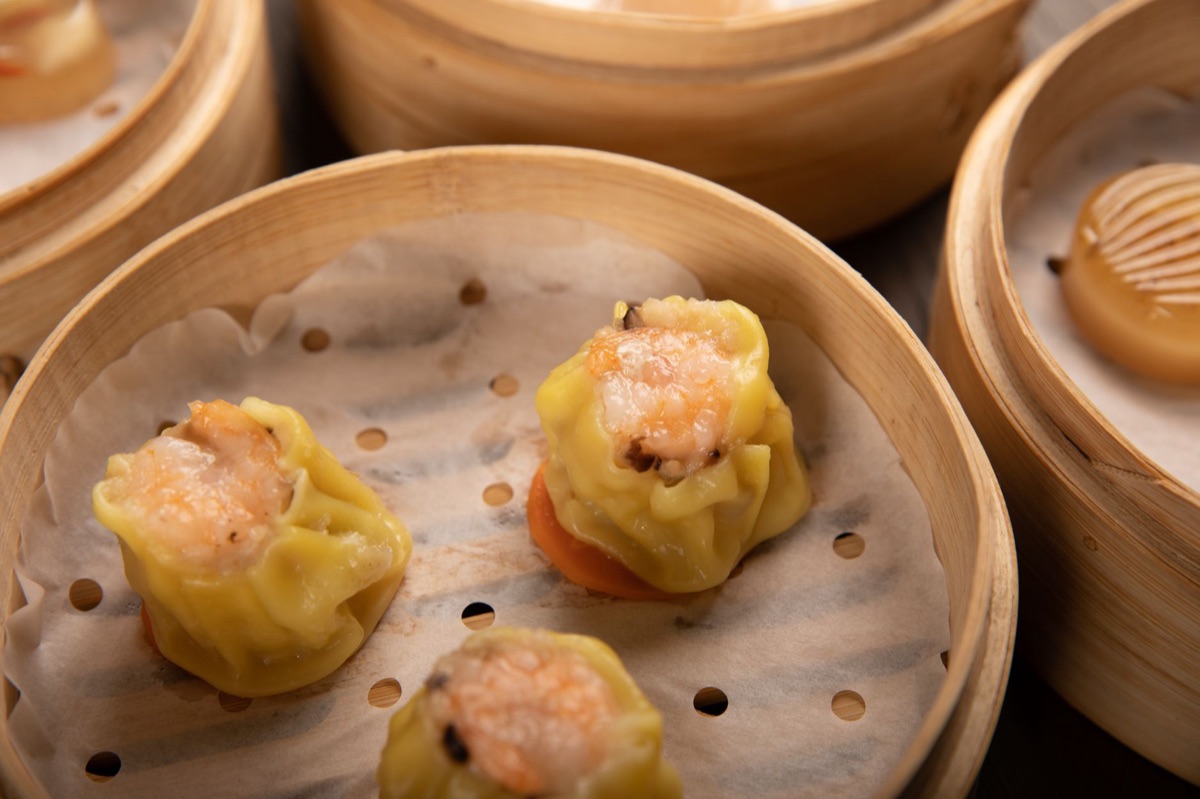
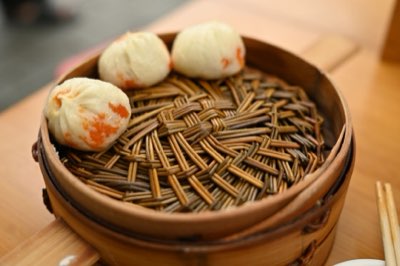
* Har Gow (Shrimp Dumplings): These are the gold standard of dim sum. They feature a translucent, pleated wheat-starch wrapper that should be thin enough to see the pink shrimp inside but strong enough to hold its shape. * Siu Mai (Pork and Shrimp Dumplings): Unlike the pleated Har Gow, these are open-faced, often topped with a tiny dot of orange crab roe or goji berry. They are savory, meaty, and much sturdier. * Char Siu Bao (Barbecue Pork Buns): These fluffy, snow-white steamed buns are filled with sweet and savory Cantonese BBQ pork. The contrast between the pillowy dough and the juicy, glazed meat is legendary.
The Savory Spectrum: Beyond the Basics Once you have mastered the classics, you move into the more complex textures of the savory world.
* Cheong Fun (Rice Noodle Rolls): Silky, thin sheets of rice noodles rolled around shrimp, beef, or BBQ pork, then drizzled with a sweet soy sauce. * Fried Radish Cake (Lo Bak Go): A savory, pan-fried cake made from shredded daikon radish and rice flour, often served with a side of chili oil. It offers a wonderful textural contrast of a crispy exterior and a soft, creamy interior.
The Sweet Endings: The Balance A proper dim sum session often concludes with something light and sweet to cleanse the palate.
* Egg Tarts (Dan Tat): Flaky, buttery pastry shells filled with a smooth, creamy egg custard. * Sesame Balls (Jian Dui): Fried glutinous rice balls coated in sesame seeds and filled with sweet red bean paste.
| Type | Primary Texture | Flavor Profile | Best Pairing |
|---|---|---|---|
| Har Gow | Chewy & Translucent | Seafood/Umami | Jasmine Tea |
| Char Siu Bao | Fluffy & Soft | Sweet/Savory | Pu-erh Tea |
| Siu Mai | Firm & Meaty | Savory/Rich | Chrysanthemum Tea |
| Cheong Fun | Silky & Smooth | Delicate/Salty | Oolong Tea |
However, knowing what to order is only half the battle; the real challenge lies in the science of the craft itself.
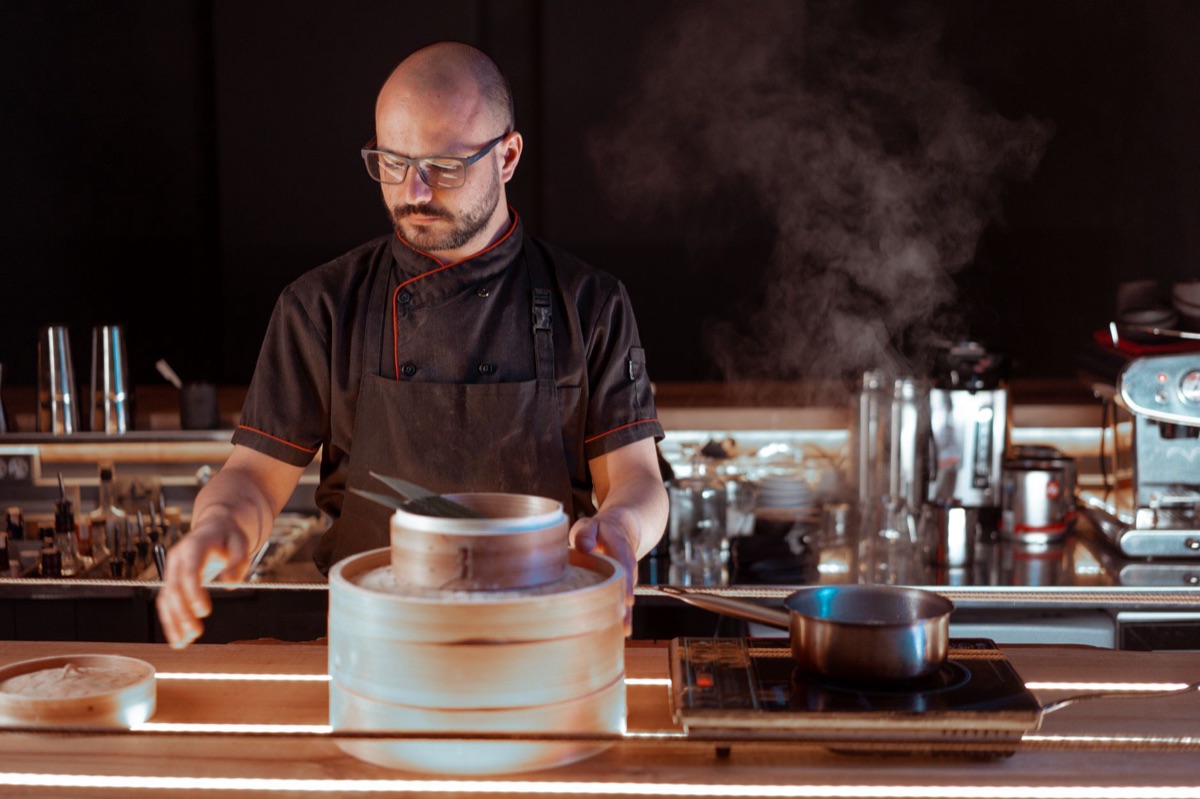
How do I master the art of making dim sum? In a professional kitchen in 2025, the sound of a cleaver hitting a wooden board is constant, a rhythmic heartbeat of preparation. I once watched a dim sum master fold a single dumpling; her fingers moved so fast they seemed to blur, yet every pleat was perfectly symmetrical.
Creating authentic dim sum at home requires understanding the "Golden Ratio"—the specific balance of moisture, starch, and protein.
The Dough/Wrapper Science The wrapper is the vessel of the flavor. For shrimp dumplings, you need a wheat-starch-based dough that becomes translucent when steamed. For buns, you need a leavened dough that stays white and airy.
* Pro Tip: When steaming dumplings, never crowd the steamer. If the dumplings touch, they will stick and tear. Leave at least half an inch of space between each piece to allow the steam to circulate evenly.
The Filling Philosophy The filling must complement, not overpower, the wrapper. A common mistake is using too much salt or too much cornstarch as a binder.
* The Ratio: For meat-based dumplings like Siu Mai, a common ratio is 3 parts meat to 1 part fat (like pork fat) to ensure the filling remains juicy after steaming. If the filling is too lean, it will become dry and tough.
The Assembly Line: A Step-by-Step Guide for Basic Dumplings To practice your skills, start with a basic savory dumpling.
- Prepare the Filling: Combine your proteins (shrimp or pork) with aromatics like ginger, scallion, and white pepper. Add a small amount of cornstarch and sesame oil to bind.
- Roll the Wrappers: If using fresh dough, roll it as thin as possible without it breaking.
- The Center Load: Place a consistent amount of filling in the center. Too much filling will cause the wrapper to burst; too little will make it hollow.
- The Pleat: Fold the wrapper over the filling. For Har Gow, use a "crescent" fold with multiple pleats. For Siu Mai, gather the sides upward to create a little cup.
- Controlled Steaming: Place in a bamboo steamer over boiling water. Steam for exactly 5–7 minutes depending on the thickness of the wrapper.
While these steps seem straightforward, there are limitations to home cooking. Achieving the exact translucency of professional-grade wheat starch wrappers is difficult without industrial-grade steamers and precise temperature control.
But how does the tea play into this delicate balance?
Beyond the Plate: Pairing and Provenance
The steam rises from a freshly poured cup of tea at 9:00 AM, the aroma of roasted leaves mixing with the savory scent of the breakfast spread. I sat there, watching the steam swirl, realizing that the tea is just as important as the food.
The Tea Ceremony In dim sum culture, tea is the cleanser. It cuts through the richness of the pork and the oil of the fried items.
* Jasmine Tea: Perfect for lighter seafood-based dumplings. * Pu-erh Tea: A fermented, darker tea that is excellent for cutting through heavy, fatty meats like BBQ pork. * Oolong Tea: A versatile middle ground that works with almost any savory dish.
Honoring the Masters While many people enjoy dim sum in various cities, the traditions are deeply rooted in the Cantonese-speaking regions. While local variations exist—some cities might prefer slightly sweeter fillings or different noodle thicknesses—the core principles of freshness and texture remain universal.
In the vast expanse of Guangdong, from the busy streets of Guangzhou to the surrounding districts, the pursuit of the "perfect bite" is a lifelong journey for both the chef and the diner.

Comments 0