95 °C Tea Pairing: How to make Cantonese dim sum
"The steam rising from a bamboo basket is more than just heat; it is the breath of a morning tradition that has sustained families for generations."
Learning how to make Cantonese dim sum at home involves mastering delicate doughs, flavorful fillings, and the art of steaming.
This guide covers the essential characteristics of these small bites, the necessary ingredients, and the fundamental steps to recreate authentic flavors in your own kitchen. You will learn about traditional tea pairings, preparation techniques, and the specific heat requirements for perfect results.
What makes Cantonese dim sum so unique?
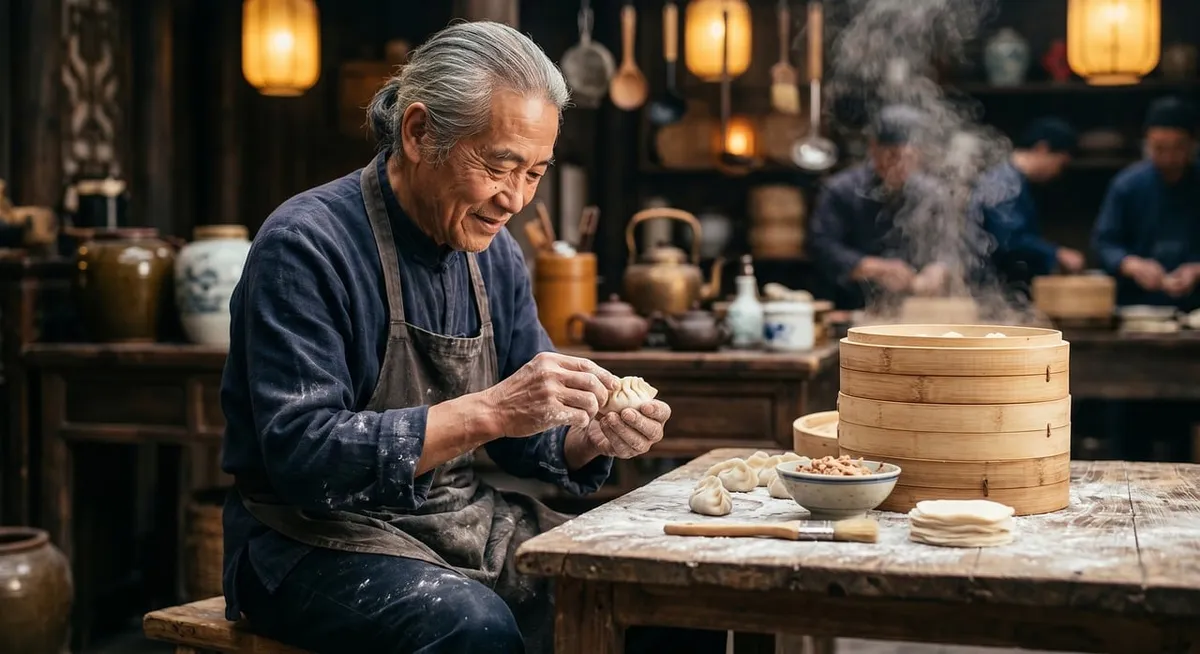
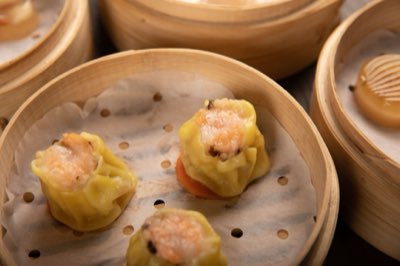
In the quiet morning light, I lift a bamboo lid to reveal a steaming basket, beginning the ritual of a flavorful tea pairing. A heavy bamboo steamer sits on a stovetop, releasing a gentle cloud of white vapor that smells of jasmine and savory meat. Cantonese dim sum is characterized by its variety of small, bite-sized portions designed to be shared during morning or afternoon tea.
These dishes often balance soft, translucent skins with rich, savory fillings, creating a textural harmony that is central to the dining experience.
The tradition focuses on freshness and the subtle interplay of ingredients rather than overwhelming spice. Because these dishes are meant to be eaten in small quantities, the focus remains on the quality of the shrimp, pork, or vegetable fillings.
This approach allows for a wide variety of flavors to be enjoyed in a single sitting without becoming too heavy.
How to prepare the essential tea pairing? How to make Cantonese dim sum
In the quiet kitchen, I pour hot water over dried flowers to begin the fragrant tea pairing.
A delicate ceramic teapot rests on a wooden tray, surrounded by small, elegant tea cups. To complement the savory nature of dim sum, tea is often prepared using dried chrysanthemum flowers.
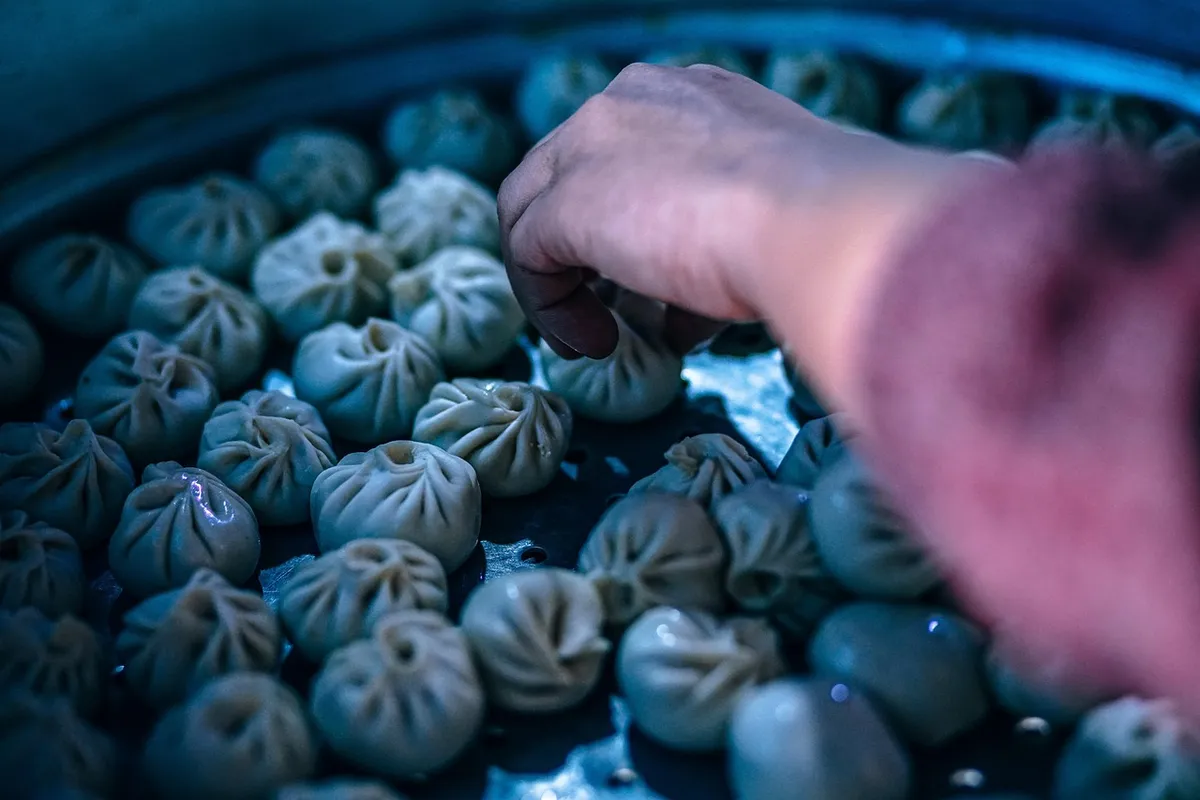
To prepare the tea, chrysanthemum flowers (usually dried) are steeped in hot water (usually 90 to 95 °C (194 to 203 °F) after cooling from a boil) in a teapot, cup, or glass.
The tea serves to cleanse the palate between different types of dumplings and steamed buns. Using hot water that has cooled slightly from a rolling boil ensures the delicate floral notes of the chrysanthemum are not scorched.
This ritual of tea and dim sum, often called yum cha, is the heart of Cantonese social culture.
What are the main ingredients in dim sum? A wooden cutting board holds a pile of translucent wheat starch, bright orange shrimp, and finely minced pork. Authentic dim sum relies on specific starches and proteins to achieve the signature textures of various dumplings.
Wheat starch and cornstarch are frequently used to create the thin, see-through skins seen in shrimp dumplings, while flour-based doughs are used for buns and heavier dumplings.
| Ingredient Type | Common Use |
|---|---|
| Translucent Starches | Shrimp dumplings and delicate skins |
| Wheat Flour | Steamed buns and thicker dumpling skins |
I find that preparing the skins separately from the fillings is the most critical step in maintaining the correct consistency. Using the right ratio of starch to water is essential for achieving that perfect, chewy texture that defines a high-quality dumpling.
How to master the dim sum making process?
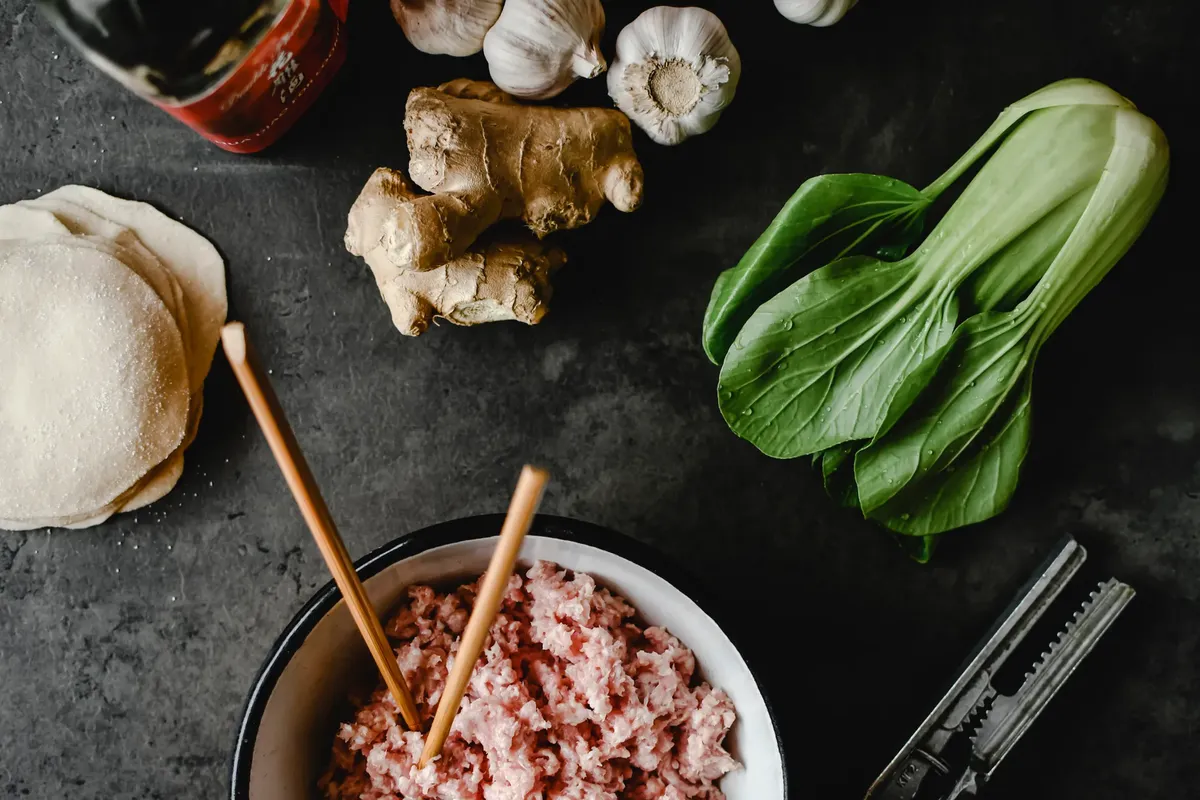
A rolling pin glides over a soft mound of dough, flattening it into a perfect, thin circle. Mastering the assembly of dim sum requires patience and a steady hand to ensure the fillings are evenly distributed and the skins do not tear. Follow these steps to build your foundation:
- Prepare the dough or skins by mixing starches with boiling water or flour with warm water to achieve the desired elasticity. 2. Season the fillings, such as shrimp or seasoned pork, ensuring they are well-integrated but not overly liquid to prevent leaking during steaming. 3. Wrap the fillings carefully using pinching or folding techniques to seal the dough completely.
After assembly, a final check of the steamer setup is necessary. Ensure the steamer baskets are not overcrowded to allow steam to circulate freely around every piece.
Which tools are necessary for home cooking?
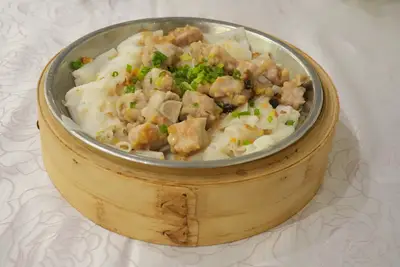
A bamboo steamer basket is stacked high, with steam escaping from the gaps between the layers. To replicate the restaurant experience, certain tools are indispensable for managing moisture and heat.
Bamboo steamers are preferred because they allow for excellent air circulation and help regulate the temperature of the food.
Standard steaming setups also require heat-resistant plates or small bowls for certain types of dim sum, such as those with liquid-filled centers.
Using a stovetop-compatible steamer allows you to cook multiple layers of food at once, mimicking the efficient cooking methods used in professional kitchens.
- What makes Cantonese dim sum so unique?
- How to prepare the essential tea pairing?
- What are the main ingredients in dim sum?
The subject here is How to make Cantonese dim sum.
The same subject is also called Cantonese dim sum recipes.
The same subject is also called Homemade dim sum guide.
The same subject is also called Authentic dim sum ingredients.
The same subject is also called Easy dim sum cooking tips.
This part also covers Best dim sum ingredients.
This part also covers {.
Best dim sum ingredients
Related
- Ancient food evolution: Taiwan sales reach $300 million how
- Minority group tteokbokki: Guide to cultural identity
What is the role of the steam? The rising steam from the bamboo basket carries the aromas of the cooking process, indicating that the food is undergoing the necessary heat treatment. This vapor signals the successful transition of the ingredients into a cohesive, edible form.
This gentle steam is crucial because it cooks the delicate doughs while simultaneously infusing them with the fragrant essence of the fillings. The heat drives the chemical changes needed for the textures to meld into a unified bite.
Without sufficient heat transference facilitated by the steam, the doughs might remain raw inside, failing to achieve the desired elasticity and tenderness.
How does the temperature affect the final product?
The temperature of the water used for the chrysanthemum tea directly influences the extraction of its floral compounds. Using water that has cooled slightly from a rolling boil prevents the volatile oils in the chrysanthemum from becoming bitter or scorched.
This controlled heat application preserves the subtle, desired notes of the tea.
The heat applied during steaming is equally vital for the dim sum. Consistent, high heat drives the necessary chemical reactions within the doughs and fillings. This sustained warmth ensures that the delicate structure cooks through evenly, yielding the desired tenderness in the finished product.
The rising steam acts as the primary medium for this heat transfer. It ensures that the thermal energy penetrates the doughs uniformly, setting the structure while simultaneously adding aroma.


Comments 0