Regional Tteokbokki Styles: 70% Shrimp 30% Pork Guide
"The flavor of a dish is often a reflection of the geography it calls home, shifting with every border crossed."
Understanding regional variations in Chinese cuisine requires looking at how local ingredients shape traditional recipes. This guide explores how specific preparation methods and protein ratios define local tastes, while noting that flavor profiles vary significantly based on regional availability.
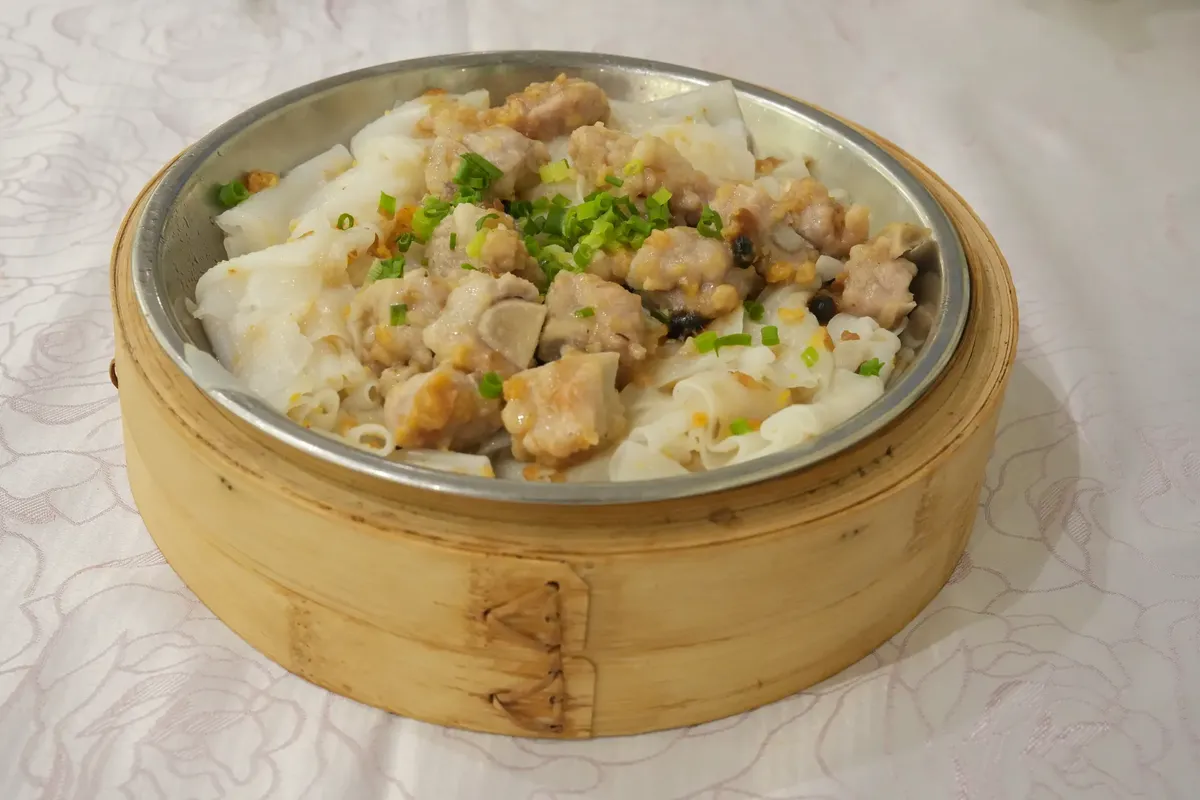
Key takeaways: * Regional styles rely on specific protein proportions, such as shrimp-to-pork ratios. * Texture is often achieved through precise, timed blanching techniques. * Local ingredients dictate the unique identity of every regional dish.
How do local ingredients shape Regional Tteokbokki Styles?
In the dim kitchen at dusk, I inhale the pungent aroma of fermented paste while weighing spices to define our regional style.
A chef stands over a steaming pot, carefully weighing seasonal ingredients to match a traditional recipe. The identity of a dish often depends on the specific balance of proteins used in its creation.
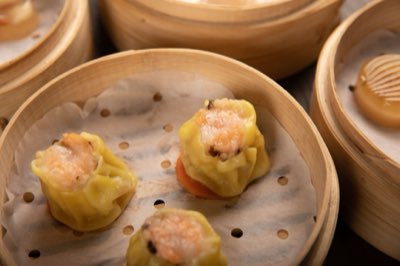
In certain Cantonese-influenced styles, the focus remains on the specific composition of the filling. For example, traditional wontons often consist of 70% shrimp and 30% pork to maintain a specific texture.
This precise ratio ensures that the seafood flavor remains the primary characteristic of the meal.
The specific mix of ingredients allows for a consistent taste across different kitchens. Such attention to detail helps maintain the integrity of the dish's heritage.
What makes regional tteokbokki textures so different?
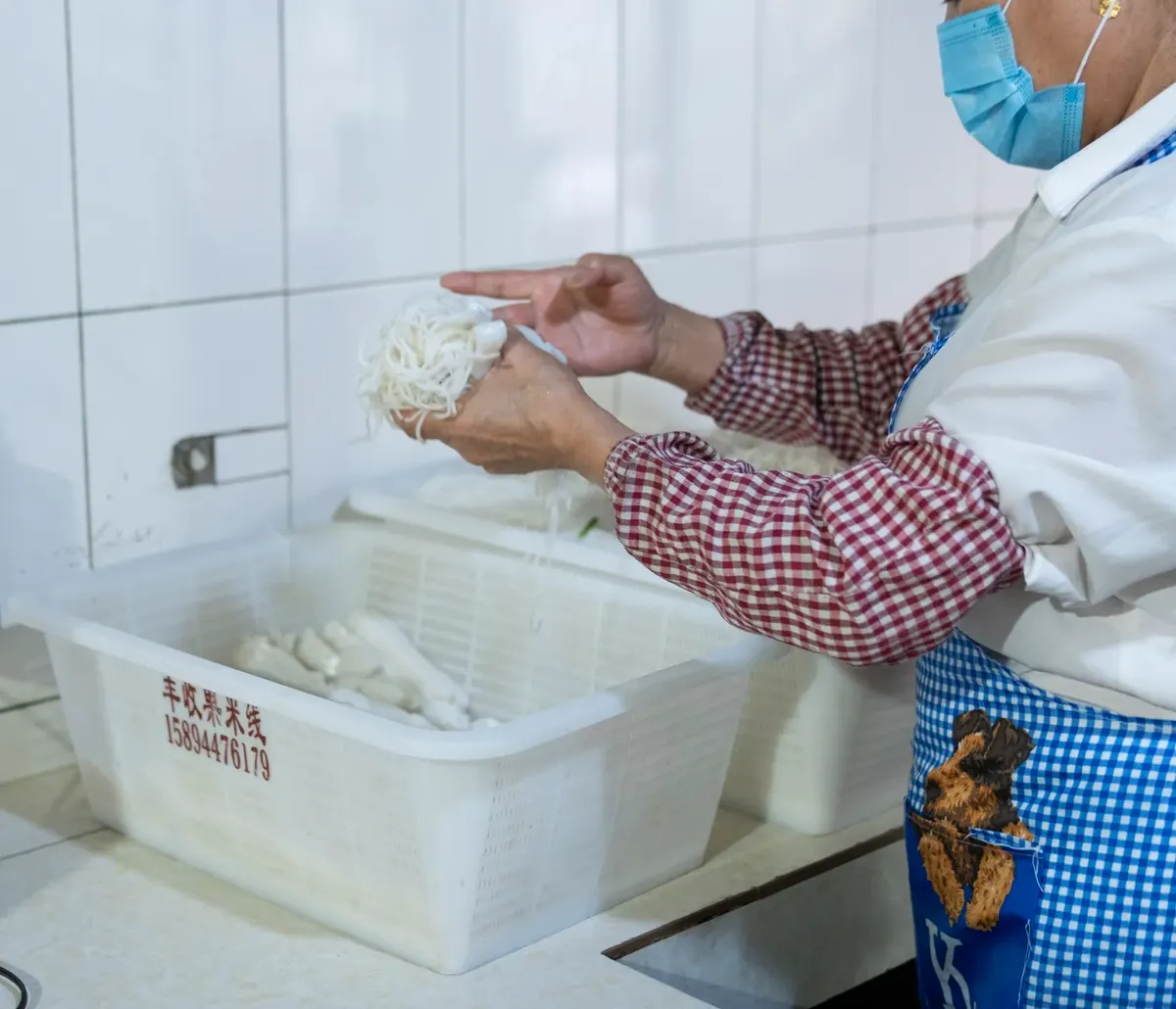
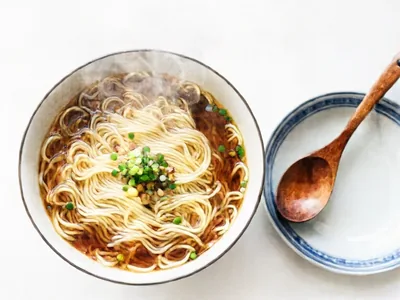
I pull the noodles from the boiling pot at noon, feeling the firm, bouncy resistance of the regional dough against my fingertips. A cook watches a timer closely, ready to pull noodles from the boiling water at the exact right moment. Achieving the perfect bite requires strict control over heat and timing to prevent overcooking.
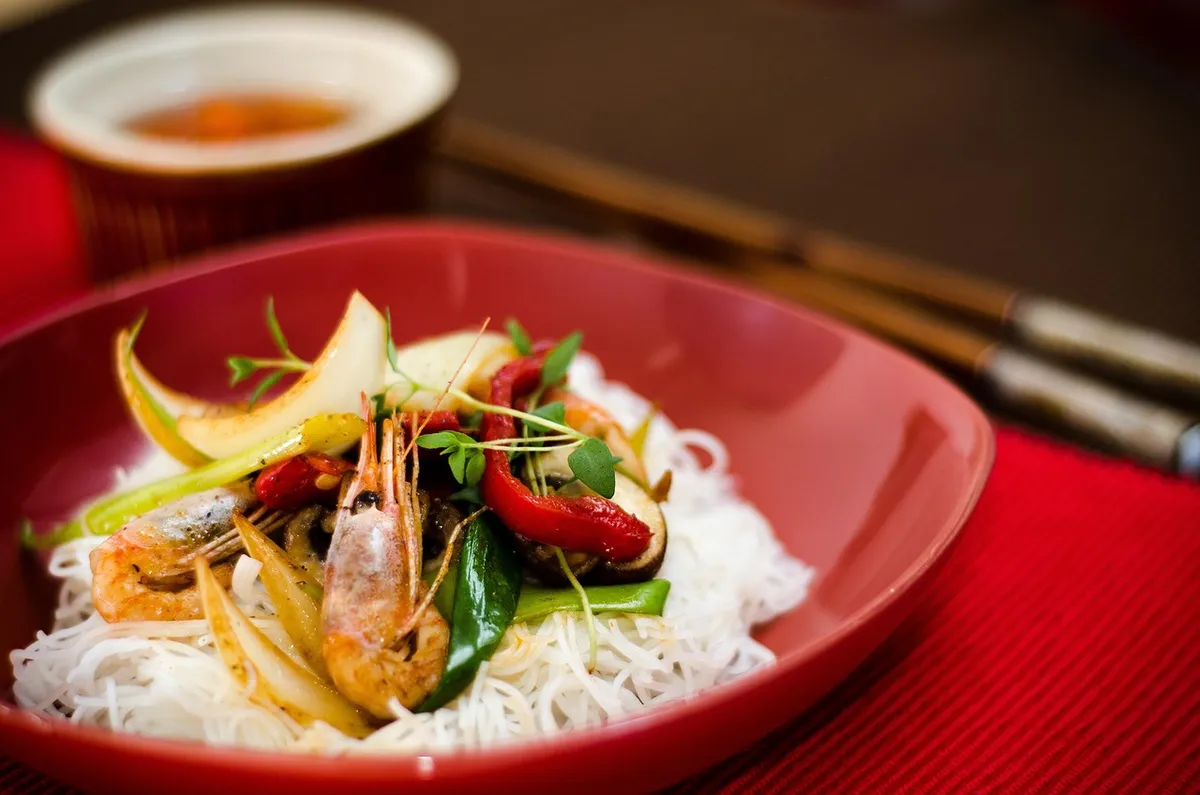
To ensure that the noodles are perfectly al dente, the noodles are blanched for only 10 seconds. After this brief period, they are rinsed under cold water and placed in the serving bowl atop the wontons. This rapid temperature shift locks in the desired firmness.
This technique prevents the starch from becoming too soft or gummy. It provides a structural contrast to the other components in the bowl.
How does protein composition influence Local Tteokbokki Flavors?
A vendor prepares fresh seafood in the morning, selecting the best prawns for the day's service. The choice between meat and seafood changes the entire profile of the meal.
In Guangzhou and Hong Kong-style preparations, the wontons are predominantly prawn, often with small amounts of minced pork or no pork at all. This seafood-forward approach distinguishes these styles from meat-heavy regional variations.
The reliance on fresh prawns provides a lighter, more delicate flavor. This makes the dish suitable for various dining contexts.
How can I compare different culinary traditions? A food historian examines a table spread with various regional dishes, noting the differences in ingredients. Comparing these elements reveals how much culture influences the kitchen.
| Feature | Traditional Wonton Composition |
|---|---|
| Primary Protein | 70% shrimp |
| Secondary Protein | 30% pork |
I observed how the shrimp-to-pork ratio changes the mouthfeel of the dumpling. This comparison highlights how minor adjustments in ingredients create distinct culinary identities.
What are the steps to replicate Local Tteokbokki Flavors?
A student follows a written recipe, carefully measuring each component to replicate a classic taste. Success in the kitchen comes from following established sequences of preparation.
- Prepare the filling by mixing the specific ratio of shrimp and pork accordings to the regional style. 2. Blanch the noodles for exactly 10 seconds to maintain an al dente texture. 3. Rinse the noodles in cold water before plating them with the protein.
A final check ensures the temperature of the bowl matches the heat of the freshly blanched noodles. This sequence preserves the delicate balance of textures.
- Source authentic regional rice cakes and seasoning pastes. 2. Balance the heat levels with local vegetable additions. 3. Simmer the ingredients to achieve the desired consistency.
What are the limitations of studying Food Culture Study?
A researcher looks at a map of distribution, noting that not all recipes are available everywhere. Environmental factors and supply chains limit the reach of specific culinary techniques.
A limitation of studying these styles is that specific protein availability, such as the exact 70% shrimp ratio, may not be accessible in all geographic regions. This can lead to variations that deviate from the traditional standard.
In this sequence, the second step is the longest.
- How do local ingredients shape Regional Tteokbokki Styles?
- What determines the texture of Regional Tteokbokki Styles?
- How does protein composition influence Local Tteokbokki Flavors?
The subject here is Regional Tteokbokki Styles.
The same subject is also called Chinese Tteokbokki Taste.
The same subject is also called Regional Dish Guide.
This part also covers Tteokbokki Cooking Techniques.
This part also covers Chinese Food Traditions.
This part also covers Regional Food Traits.
Tteokbokki Cooking Techniques
Related
- Shelf life guide for Ethnic Tteokbokki Home Recipe
- Lao Xiao Ramen: How to make Lao Xiao Ramen with 120 proof
How does the preparation affect the overall dish flavor?
The preparation method dictates how the individual components contribute to the final flavor of the dish. For instance, the initial selection of high-quality prawns contributes a bright note that balances the richness of the pork.
This combination achieves a complex flavor profile characteristic of certain regional styles.
The precise timing during blanching influences the texture, which in turn affects how the diner perceives the overall flavor. A slight overcooking of the noodles can mute the bright notes contributed by the seafood. Therefore, the execution of each step is critical to the final flavor.
What influences the integrity of the dish?
The integrity of the dish rests on maintaining the intended balance between the primary and secondary proteins. When the shrimp-to-pork ratio deviates from the established norm, the intended flavor profile shifts noticeably.
This adherence to established proportions preserves the dish's cultural roots.
The consistency achieved through following the prescribed blanching time ensures that the textural contrast remains present. This contrast is integral to the intended flavor experience. Thus, the combination of correct protein ratios and proper noodle texture defines the dish.
Wikipedia: Rice Based on the retained excerpt mentioning Hybrid Rice Research and Development Center: Yuan Longping of China's National Hybrid Rice Research and Development Center set a world record for rice yield in 1999 at 17.1 metric tons per hectare (7.6 short tons per acre) on a demonstration plot.

Comments 0