Sichuan hotpot: How to make Sichuan hotpot guide
"The aroma of spice and the heat of the broth define a culinary tradition that has traveled from the heart of Sichuan to kitchens across the globe."
To master the art of Sichuan hotpot, you must understand the balance of fermented spices, aromatic oils, and high-quality base ingredients. This guide covers the essential components, traditional flavor profiles, and necessary preparation steps to replicate the experience at home.
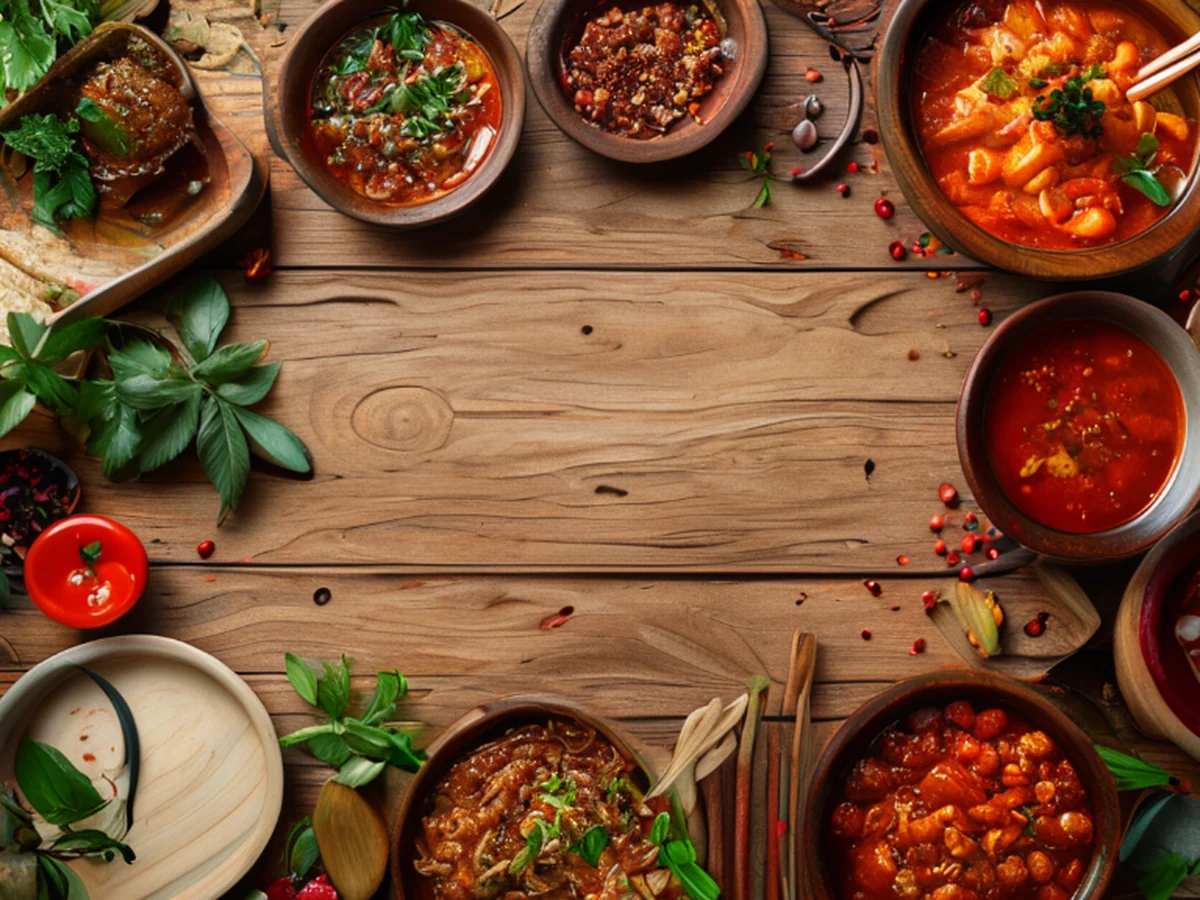
You will learn about the foundational ingredients, how to handle strong spirits often paired with the meal, and the limitations of replicating authentic heat without specific regional spices.
What do I need for a real Sichuan hotpot?
At dusk in the crowded kitchen, I grab a jar of peppercorns to begin my Sichuan hotpot preparation, feeling the sharp scent of spice hit my nose. In the dim kitchen, I reach for the peppercorns to prepare a Sichuan hotpot recipe that promises a numbing heat.
A heavy iron pot sits on a burner, steam rising as spices swirl in the bubbling red oil. To start a successful Sichuan hotpot recipe, you need a base of chili oil, Sichuan peppercorns, and fermented bean pastes to provide the signature numbing and spicy sensation.
The flavor profile relies heavily on the quality of the oils and the specific blend of aromatics used to create the broth. Traditional bases often incorporate beef tallow or vegetable oils infused with aromatics to ensure a rich, lingering mouthfeel.
Using these concentrated elements allows the heat to penetrate the ingredients being cooked in the pot.
How do you manage authentic hotpot ingredients? How to make Sichuan hotpot
A hand reaches for a jar of peppercorns to add a sudden burst of citrus-like numbness to the broth. Managing authentic hotpot ingredients requires careful selection of dried chilies, garlic, ginger, and star anise to maintain the depth of the soup.
The balance between the "ma" (numbing) and "la" (spicy) sensations is the goal of every cook. You should toast the peppercorns lightly before grinding them to release their oils, and use high-quality fermented pastes to provide an earthy undertrance.
This combination ensures the broth remains complex rather than just painfully hot.
How do I make the perfect hotpot at home? A wooden spoon stirs the simmering liquid, distributing the spice evenly through the bubbling pot. Following a reliable homemade hotpot guide involves three main phases: preparing the spice base, building the flavorful broth, and managing the cooking temperature.
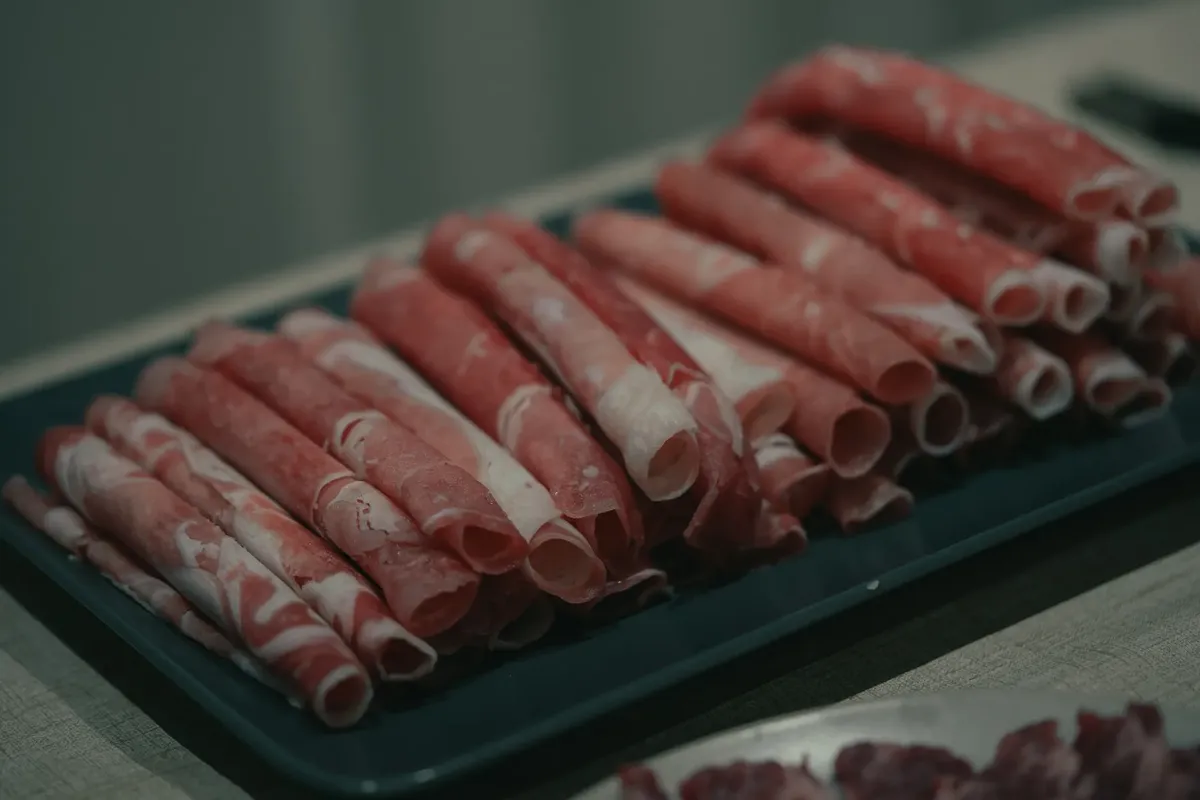
- Prepare the aromatic oil by gently heating dried chilies and Sichuan peppercorns in oil until fragrant, being careful not to burn them. 2. Combine the infused oil with fermented pastes, ginger, and garlic in a large pot to build the soup base. 3. Maintain a steady simmer to keep the ingredients moving and the flavors active throughout the meal.
I remember carefully watching the oil change color during the infusion step to ensure the heat was just right. This process requires patience to prevent the spices from turning bitter.
Can you use alcohol to enhance the meal?
A glass of clear spirit is poured into a small cup, catching the light from the dining room. While not part of the broth itself, understanding the role of alcohol can be part of an easy hotpot cooking steps strategy for those following traditional dining customs.
In many regions, strong spirits are served alongside the meal to cut through the richness of the fats. For example, white liquor in China, which makes up 99.5% of its alcoholic market, is a common accompaniment to heavy meals.
This spirit can be made from wheat, corn, or rice and is usually around 120 proof (60% ABV).
Additionally, some traditional drinks include a strong rice wine that is not distilled, which has an alcohol content of 10–15% ABV. These beverages provide a sharp contrast to the spicy soup.
What are the best hotpot cooking tips for success?
The heat from the stove is adjusted, causing the bubbles to dance around the floating ingredients. Applying the best hotpot cooking tips means managing the heat of the broth and the timing of different food items.
| Element | Action | Purpose |
|---|---|---|
| Chili Oil | Infusion | Provides the base heat and aroma |
| Peppercorns | Grinding | Creates the signature numbing sensation |
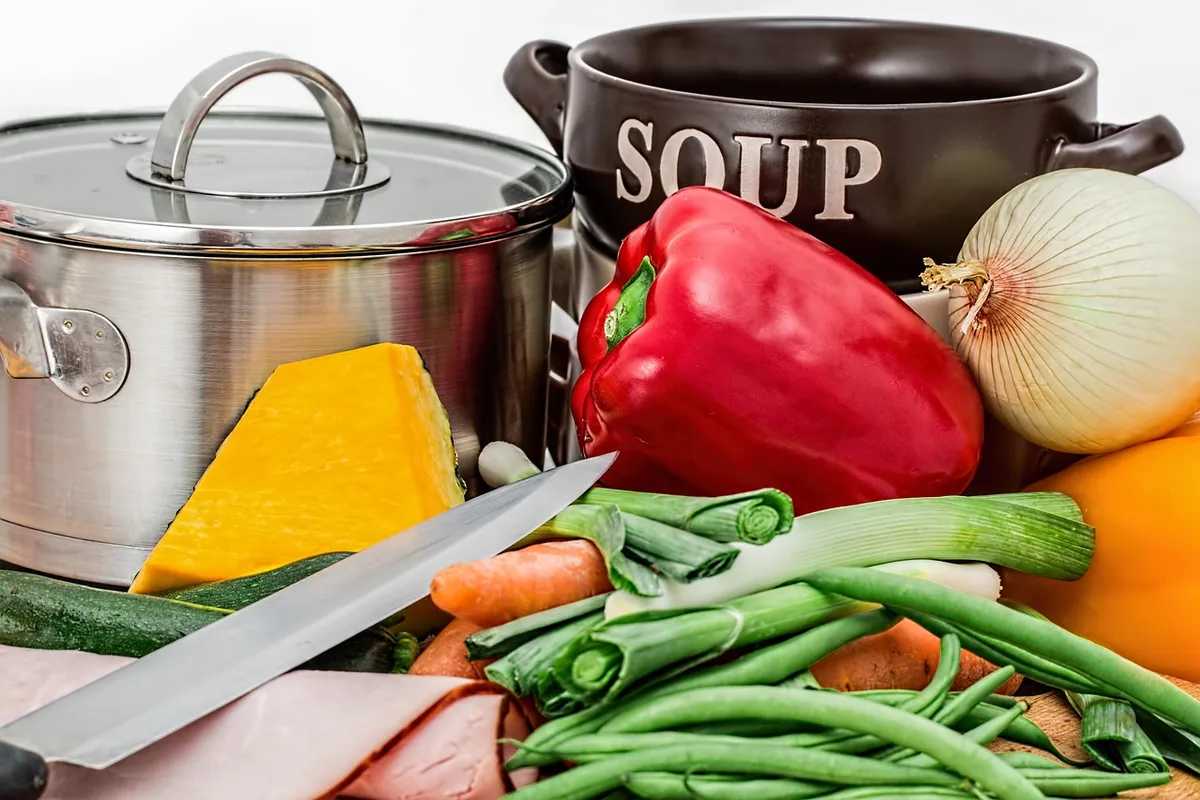
A successful meal involves dipping various textures—from thin meats to leafy vegetables—into the bubbling liquid. You must ensure the broth is sufficiently seasoned so that the heat remains consistent as ingredients are added.
- What do I need for a real Sichuan hotpot?
- How do you manage authentic hotpot ingredients?
- How do I make the perfect hotpot at home?
The subject here is How to make Sichuan hotpot.
This part also covers Sichuan hotpot spice list.
This part also covers Making hotpot at home.
Related
- How to make Tanghulu at home: Guide to 149 °C syrup
- Sichuan Tteokbokki Guide: Prepare with these key steps
What is the role of the aroma in the hotpot experience?
The aroma contributes significantly to the overall dining experience, much like the heat does. The infusion of oils with aromatics is what carries the complex scent into the air, signaling the authenticity of the dish. This interplay between smell and taste is crucial to the traditional profile.
The quality of the base ingredients dictates how successfully the aroma translates to the palate. If the initial infusion is rushed or improperly executed, the desired depth of the aroma will not develop.
The combination of these elements creates the signature scent travelers associate with Sichuan cuisine.
What cautions should be observed when cooking?
Patience is required during the infusion stage to prevent the spices from becoming bitter. The cook must also monitor the temperature to ensure the flavors remain dynamic throughout the meal. Maintaining a steady simmer is necessary to keep the ingredients moving and the flavors active.
The initial heating of the peppercorns must be gentle to properly release their oils without scorching them. This careful handling of the components ensures the desired balance between the numbing and spicy sensations is achieved in the final broth.
This attention to detail prevents the broth from becoming overwhelmingly harsh.
Wikipedia: Sichuan Based on the retained excerpt mentioning Sichuan Provincial Prison Administrative Bureau: The Sichuan Provincial Prison Administrative Bureau is the main corrections agency in Sichuan.

Comments 0