Dim Sum Guide: Authentic Flavors at Home 95
"To prepare the tea, chrysanthemum flowers (usually dried) are steeped in hot water (usually 90 to 95 °C (194 to 203 °F) after cooling from a boil) in a teapot, cup, or glass."
Guangzhou dim sum at home involves mastering delicate dough textures and balancing savory fillings with traditional tea service.
This guide explores the cultural roots of these bite-sized delicacies, the essential steaming and frying techniques, and how to recreate authentic flavors in a domestic kitchen. You will learn about regional variations, the importance of tea pairing, and specific preparation steps for popular items.
What makes Guangzhou dim sum so special?
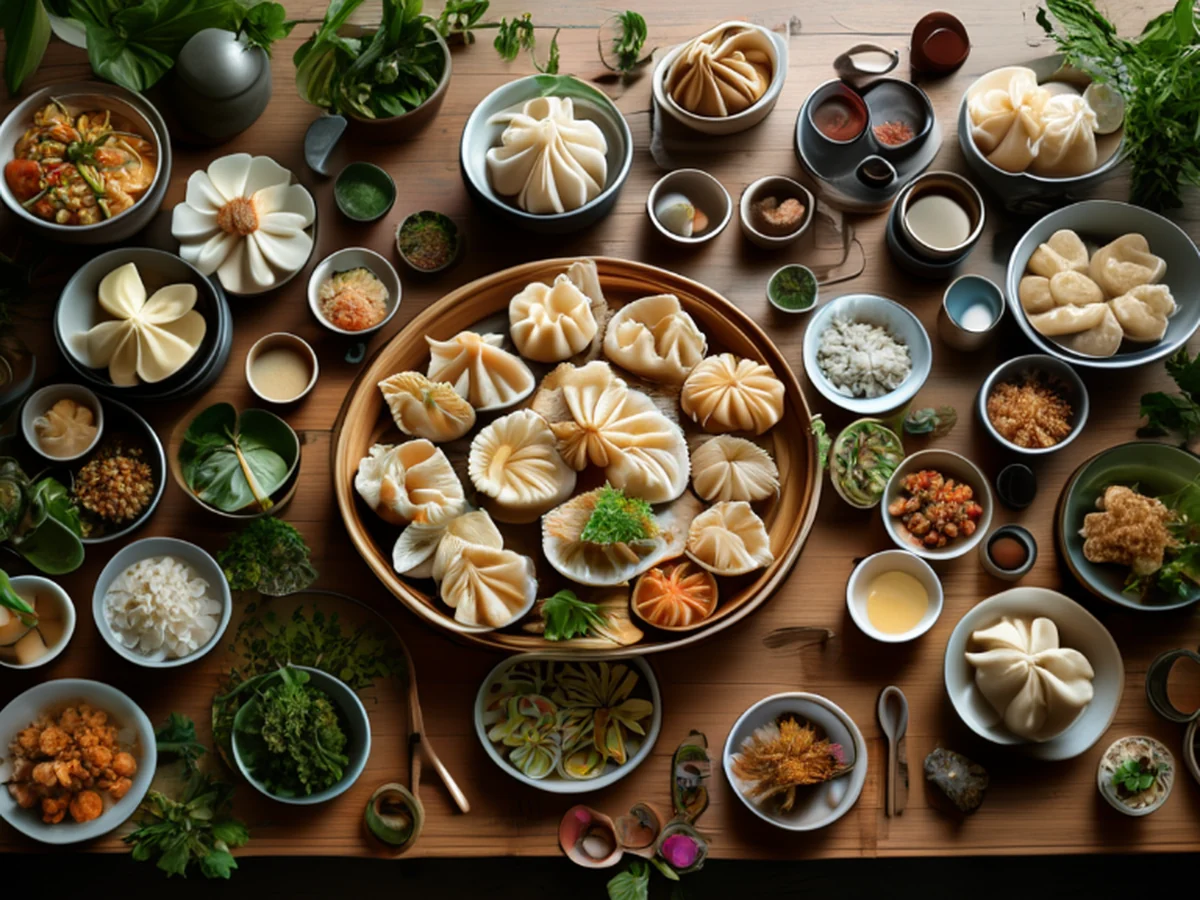
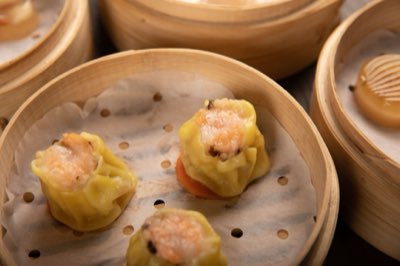
At dawn in a bustling Guangzhou tea house, I inhale the fragrant steam rising from a bamboo basket to discover an authentic taste of tradition. A steaming bamboo basket sits on a wooden table as fragrant steam rises to greet the morning. Dim sum represents a culinary tradition centered around small, varied portions served alongside tea, often enjoyed during brunch.
This culture emphasizes a balance of textures, from translucent shrimp dumpling skins to crispy fried rolls.
The heart of this cuisine lies in the variety of prepared snacks that cater to different tastes and textures. While some items are soft and steamed, others offer a crunch that contrasts with the tender fillings.
Understanding these diverse styles is the first step toward mastering the art of dim sum.
In this sequence, the first point is the most fundamental.
How can you master dim sum cooking guide techniques? Guangzhou dim sum at home
A rolling pin glides over a soft piece of dough, thinning it to a translucent veil. Mastering the dough is the most critical part of making dim sum at home. Different fillings require specific wrappers, such as wheat-based skins for savory buns or starch-based skins for translucent dumplings.
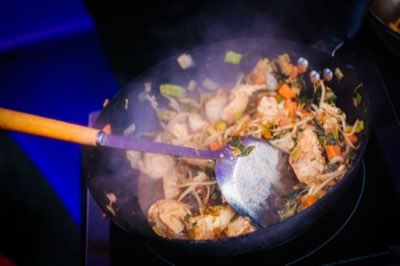
To achieve an authentic dim sum taste, you must focus on moisture control and heat management. Steaming requires precise timing to prevent overcooking delicate fillings, while frying requires high heat to ensure a crisp exterior without oily residue.
Practicing these temperature-sensitive methods builds the foundation for successful results.
- Prepare the dough with precise moisture control.
- Master the delicate pleating techniques for various dumpling skins.
- Control the steaming temperature to ensure perfect texture.
Which regional dim sum styles should I look for? A traveler walks through a bustling market, smelling the difference between sweet and savory offerings. While Guangzhou is a primary hub, dim sum culture has evolved through various regional influences.
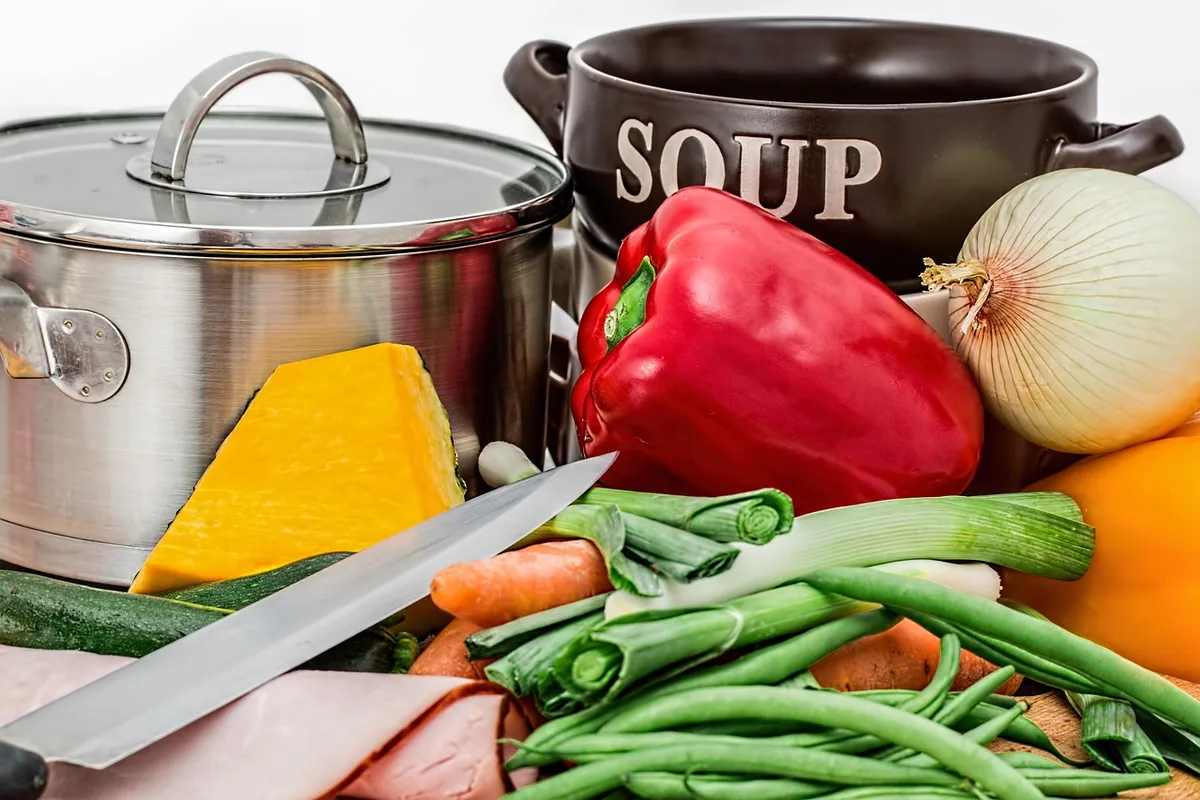
Some areas favor heavy, meat-filled dumplings, while others focus on lighter, vegetable-centric snacks.
Deepening your knowledge of these styles helps in selecting the right ingredients for specific recipes. Some regions emphasize the use of seafood, while others lean toward roasted meats or sweet dessert-style dumplings.
Recognizing these nuances allows for a more diverse menu when you attempt to make dim sum at home.
I find that the second item in this list is the most detailed.
How to achieve an authentic dim sum taste at home?
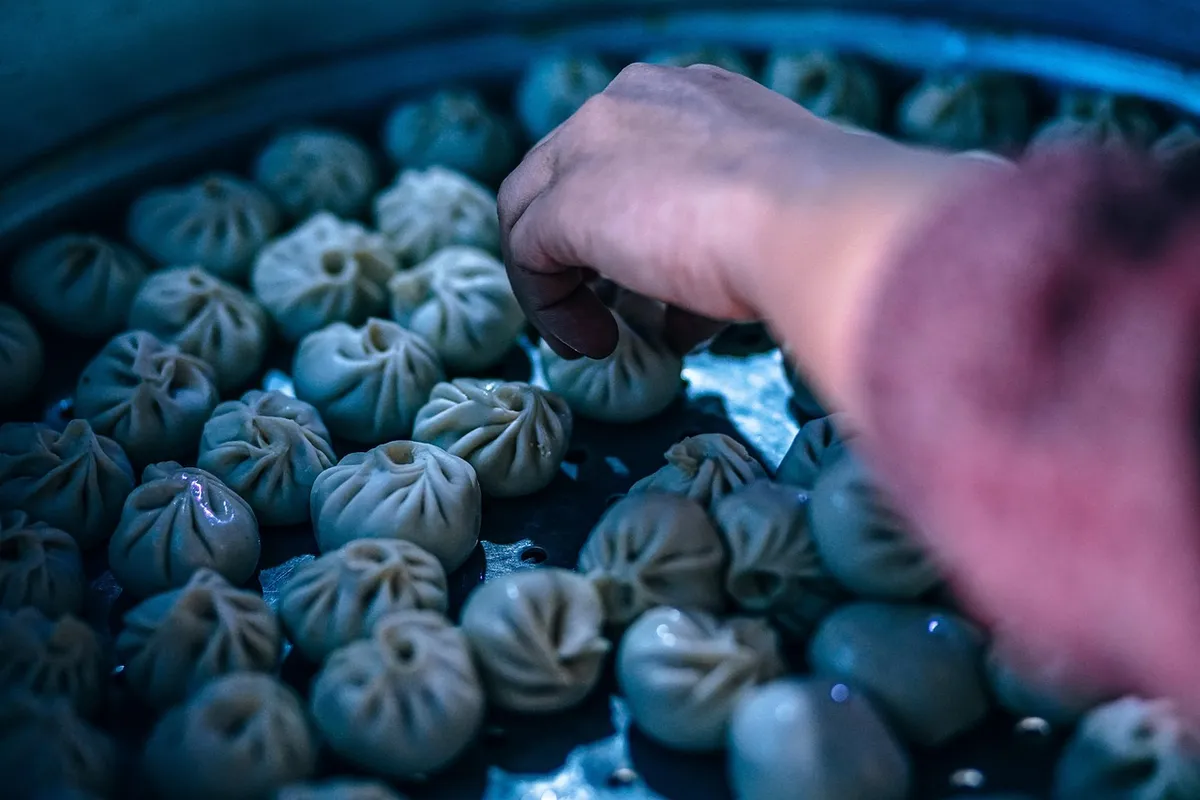
A hand carefully pleats the edges of a dumpling, sealing the savory juices inside. Recreating these flavors requires attention to the quality of ingredients and traditional preparation methods. Using fresh seafood or well-seasoned meats ensures the filling remains the star of each bite.
The following steps can help you manage the process:
- Prepare the dough according to the specific requirements of the filling, ensuring the thickness matches the cooking method. 2. Carefully fold and seal the wrappers using traditional pleating or rolling techniques to hold the shape during cooking. ly. Control the heat source, using steam for soft textures and oil for crispy finishes to achieve the desired mouthfeel.
I once spent an entire afternoon practicing the pleating of a single batch of dumplings to ensure they would hold their shape in the steamer. This patience is essential for achieving professional results.
What is the role of tea in dim sum culture?
A delicate porcelain cup catches the light as golden tea is poured. Tea is not merely a drink but an integral part of the dining experience, used to cleanse the palate between different flavors. The ritual of tea service complements the heavy or oily nature of many dim sum items.
| Item Type | Primary Preparation | Texture Profile |
|---|---|---|
| Steamed Dumplings | Steaming | Soft and Translucent |
| Fried Spring Rolls | Deep Frying | Crispy and Golden |
A limitation of home preparation is that specialized equipment, such as high-pressure steamers or professional-grade woks, may not always be available to replicate exact restaurant conditions.
The same subject is also called Dim sum culture deep dive.
This part also covers Dim sum history explained.
This part also covers Mastering dim sum texture.
Related

Comments 0