Sichuan vs. North: 2 Key Styles of Chinese Hot Pot
"A single pot can hold the history of a province, and a single spoonful can tell the story of a thousand years."
The vastness of Chinese cuisine is often overwhelming, but if you follow the steam rising from a communal pot, you will find the heartbeat of its regional identity.
From the numbing, fiery depths of a Sichuan hot pot to the gentle, soul-warming clarity of a Northern bone broth, soup and hot pot are more than just meals—they are rituals of connection.
Key Takeaways
* Regional Identity: The difference between soups lies in the base, ranging from heavy, spiced emulsions to delicate, clear infusions. * The Ritual of Hot Pot: Understanding the distinction between the aggressive *mala* of the Southwest and the savory comfort of the North is essential for an authentic experience. * Mastering the Base: Successful home cooking requires a two-step approach: building a deep, foundational stock and layering aromatics or spices at the correct time.
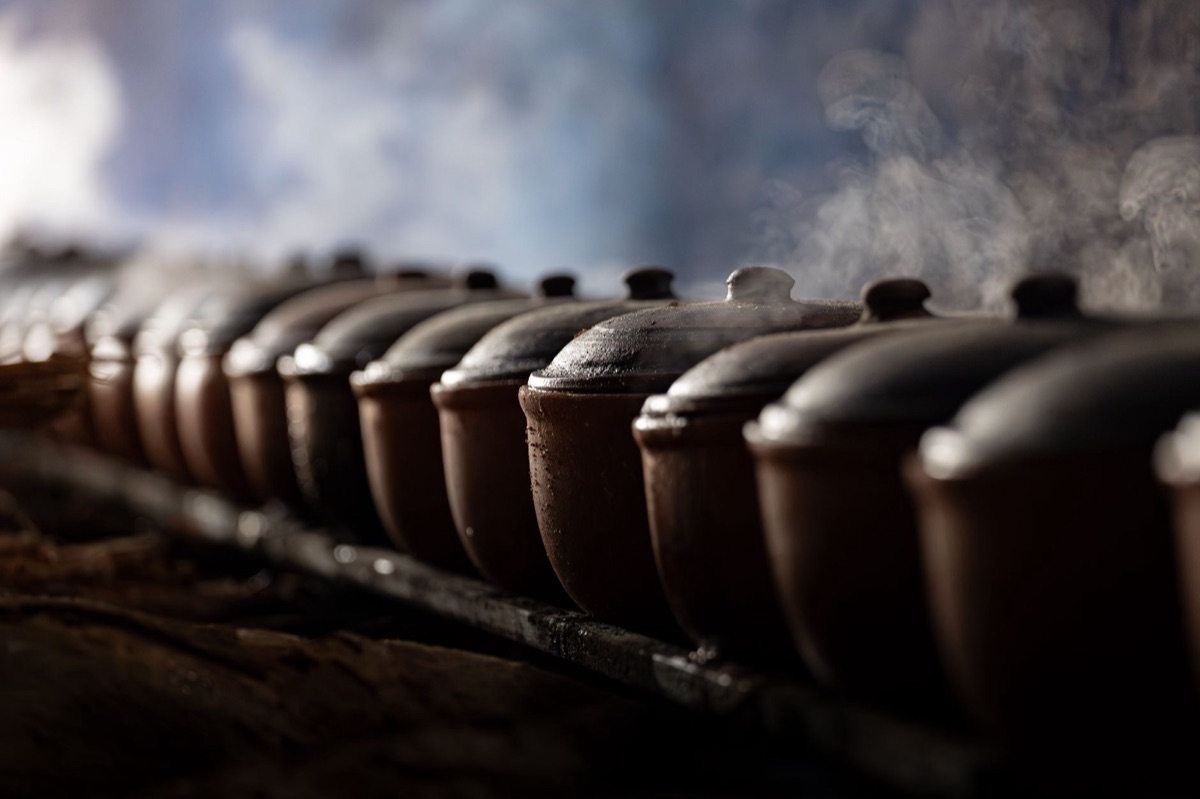
What makes Chinese soups so diverse? At a small wooden table in a bustling Chengdu alleyway in late 2025, the air is thick with the scent of toasted peppercorns and fermented bean paste. You watch as a diner takes a sip of a clear, golden broth, eyes closing in quiet appreciation of its subtle sweetness.
The diversity of Chinese soup and hot pot is a spectrum of texture and intensity. In the South and West, particularly in Sichuan, soups and hot pots often lean toward bold, aggressive profiles designed to stimulate the palate and combat humidity.
Conversely, in the Jiangnan regions south of the Yangtze, you often find delicate, clear broths that emphasize the natural sweetness of seafood or vegetables.
In the Chinese dining tradition, soup serves a functional and social role. It is rarely just a side dish; it is often the binding agent of the meal, providing the moisture and salt necessary to balance heavier grain or meat dishes.
Depending on the occasion, a soup might be a daily staple intended to nourish and hydrate, or a celebratory centerpiece meant to showcase the chef's mastery of stock-making.
The archetypes of these liquids generally fall into two categories: robust, heavy stocks and light, aromatic infusions. A robust bone broth provides a heavy mouthfeel and deep umami, while a light infusion relies on the delicate extraction of flavors from ginger, scallions, or dried mushrooms.
Understanding which direction your meal is heading is the first step to mastering the table. But the real challenge begins when the heat meets the water.
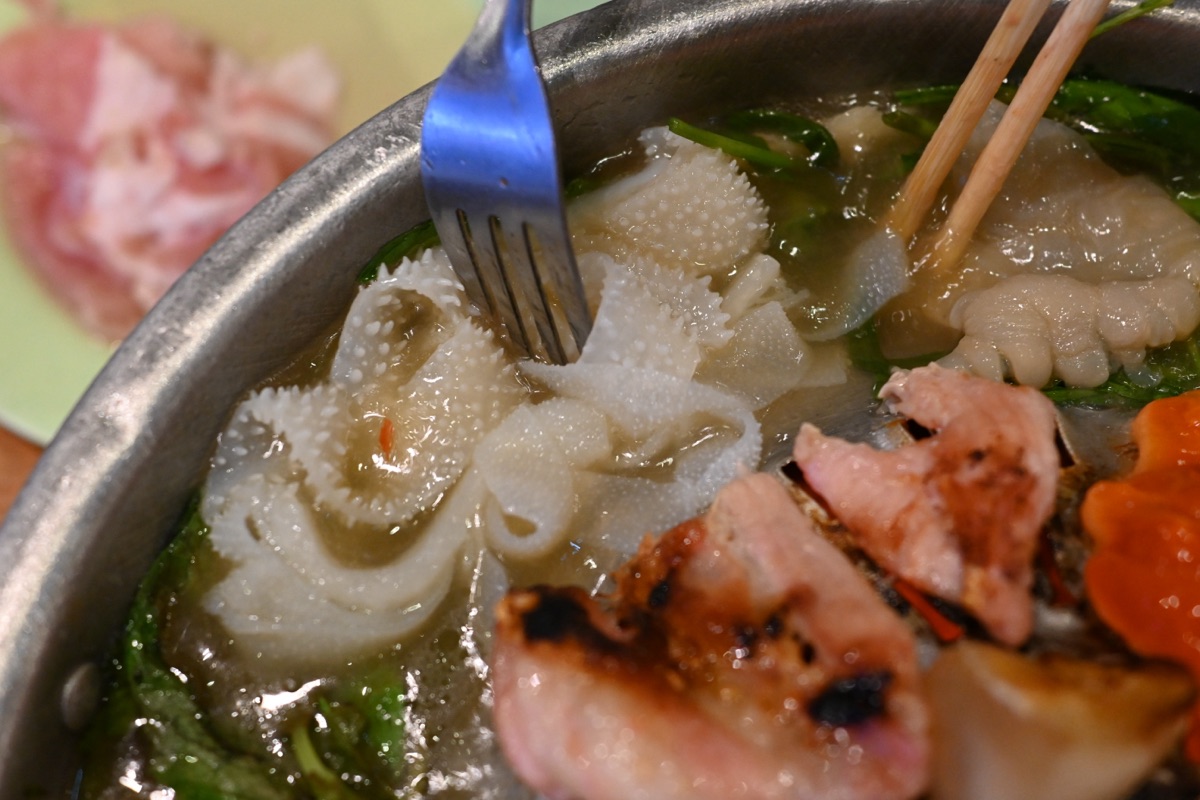
How do Sichuan and Northern hot pots differ? The steam clears to reveal a split-pot setup, one side a deep crimson and the other a pale, shimmering gold. The red side bubbles with an intensity that makes the air feel heavy, while the gold side offers a gentle, inviting simmer.
When you step into the world of hot pot, you are essentially choosing between two distinct culinary philosophies. The Sichuan style is a fiery dive into the world of *mala*—a combination of spicy chilies and numbing Sichuan peppercorns.
This style is designed to be an assault on the senses, where the heat is not just a flavor but a physical sensation. To achieve this at home, you need high-quality dried chilies and authentic peppercorns that provide that signature "tingle" on the tongue.
In contrast, the Northern and Beijing styles often lean toward a more comforting, savory base. While they can certainly be spicy, the focus is frequently on a rich, savory stock—often derived from lamb or beef bones—that provides a hearty foundation.
This style pairs beautifully with thick, hand-pulled noodles and heavier cuts of meat.
To replicate this at home without overwhelming your kitchen, follow a layered approach. Start with a neutral, savory base and add the aggressive spices (like chili oil or peppercorns) as a secondary layer.
This allows you to control the heat and ensures the base flavor of the meat and vegetables isn't lost to the spice. However, achieving that perfect texture requires more than just the right spices.
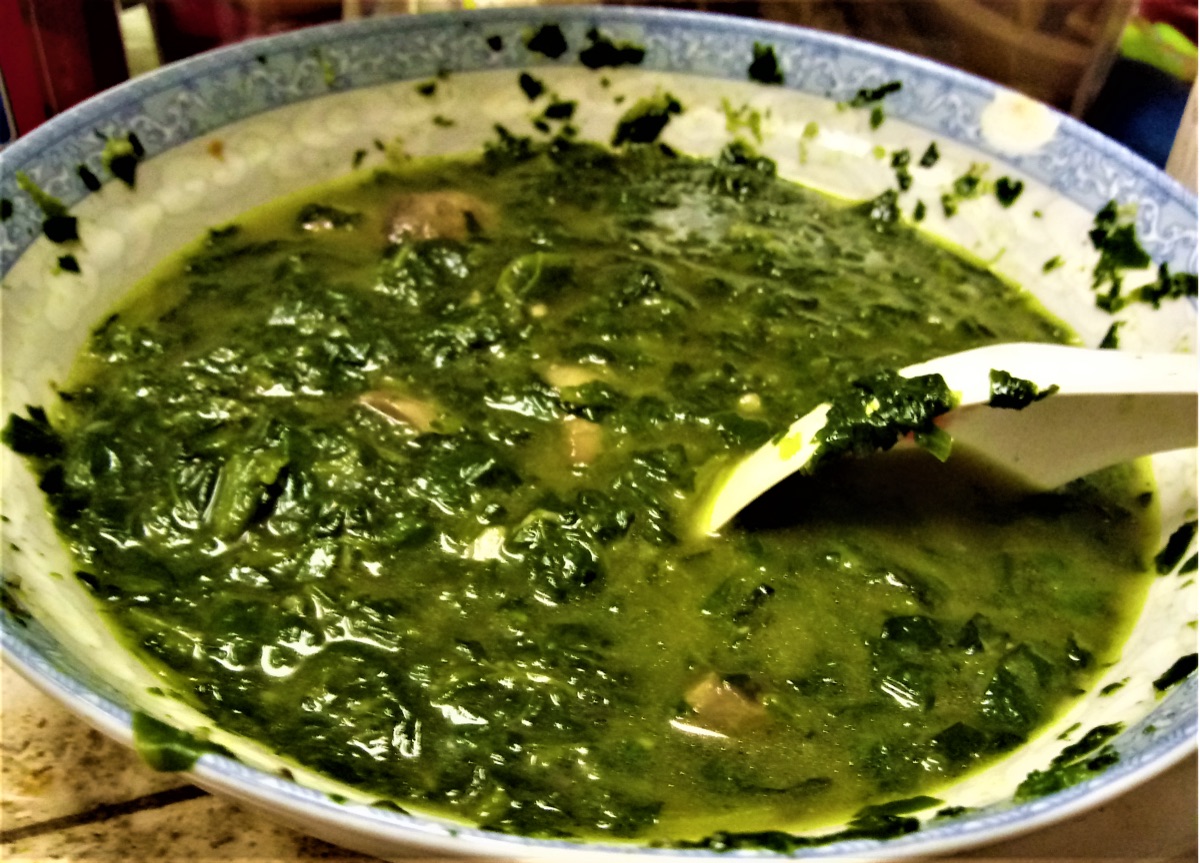
Mastering the Art of the Simmer: Replicating Authentic Broths at Home
A heavy cast-iron pot sits on the stove in a quiet kitchen at 6:00 PM, the water inside transitioning from a cloudy gray to a clear, golden amber after hours of careful tending. You carefully skim a thin layer of foam from the surface, ensuring the liquid remains pure and bright.
Building a professional-grade broth at home requires patience and a strict adherence to technique. The foundation of any great soup is the stock, and the process begins with the preparation of the bones and aromatics.
The Foundation: Building Depth
- Blanching: Always start by boiling your bones in plain water for 5–10 minutes to remove impurities and blood. Drain the water and rinse the bones thoroughly under cold water.
- The Initial Simmer: Place the cleaned bones in fresh water and bring to a boil, then immediately drop to a low simmer. Never let the soup reach a rolling boil, as this emulsifies fats and makes the broth cloudy and bitter.
- Skimming: Regularly skim the surface to remove any floating impurities. This is the secret to achieving a crystal-clear broth.
- Aromatic Timing: Add hard aromatics like ginger and scallions at the beginning. More delicate flavors, like dried mushrooms or light vegetable essences, should be added toward the end of the simmering process to prevent them from becoming bitter.
The Spice and Texture Layer
Once your base is established, you can decide on the body of the soup. If you want a milky, opaque broth (common in certain Northern styles), you can increase the heat slightly at the very end to emulsify the fats. If you want clarity, keep the temperature low and the lid slightly ajar.
When adding spices, remember the difference between *flavoring* and *coating*. If you want a spicy soup, infuse the oil with spices first and then add the oil to the broth. If you want to coat the ingredients, keep the broth relatively mild and use a dipping sauce to provide the punch.
When I first tried to make a traditional bone broth in my own kitchen, I realized that the difference between a mediocre soup and a masterpiece was often just a matter of temperature control and the timing of a single ingredient.
| Style | Primary Flavor Profile | Best Protein Pairings | Best Vegetable/Starch Pairings |
|---|---|---|---|
| Sichuan | Spicy, Numbing (*Mala*) | Beef slices, Tripe, Intestines | Lotus root, Bamboo shoots, Wide noodles |
| Northern | Savory, Rich, Salty | Lamb, Mutton, Fatty Beef | Cabbage, Daikon radish, Thick wheat noodles |
| Cantonese | Clear, Sweet, Umami | Seafood, Chicken, Pork ribs | Tofu, Napa cabbage, Corn |
The texture of the soup is just as important as the flavor, and that leads us to the final assembly.
Beyond the Broth: Pairing and Plating
The table is crowded with small plates: thin slices of marbled beef, bright green bok choy, and delicate translucent noodles. A small bowl of dark, fragrant sauce sits in the center, waiting to be customized.
A great soup or hot pot is incomplete without the right companions. The broth provides the soul, but the ingredients and the dipping sauces provide the texture and the final flavor adjustments.
For a spicy Sichuan hot pot, the dipping sauce often acts as a cooling agent, frequently featuring sesame paste, crushed garlic, and cilantro to balance the heat.
For a savory Northern style, the focus shifts to the texture of the proteins and the starch. Thick, chewy noodles or dumplings are the perfect vehicles for a rich, bone-based broth. When plating, consider the "visual weight" of the ingredients.
In a clear soup, delicate ingredients like silken tofu or thinly sliced mushrooms should be showcased on top, whereas in a heavy hot pot, the ingredients are often submerged and cooked in stages.
A Note on Limitations While these techniques provide a strong foundation, regional flavors are incredibly nuanced. A home cook may find it difficult to replicate the exact chemical balance of a restaurant-grade broth that has been simmered for days.
Use these steps as a guide to flavor, rather than an attempt at perfect industrial replication.
#


Comments 0